
Hip Pain Treatment for Runners: 2026 Verdict Guide

Medically reviewed by
Dr. Saurabh Dang, MD, MBA
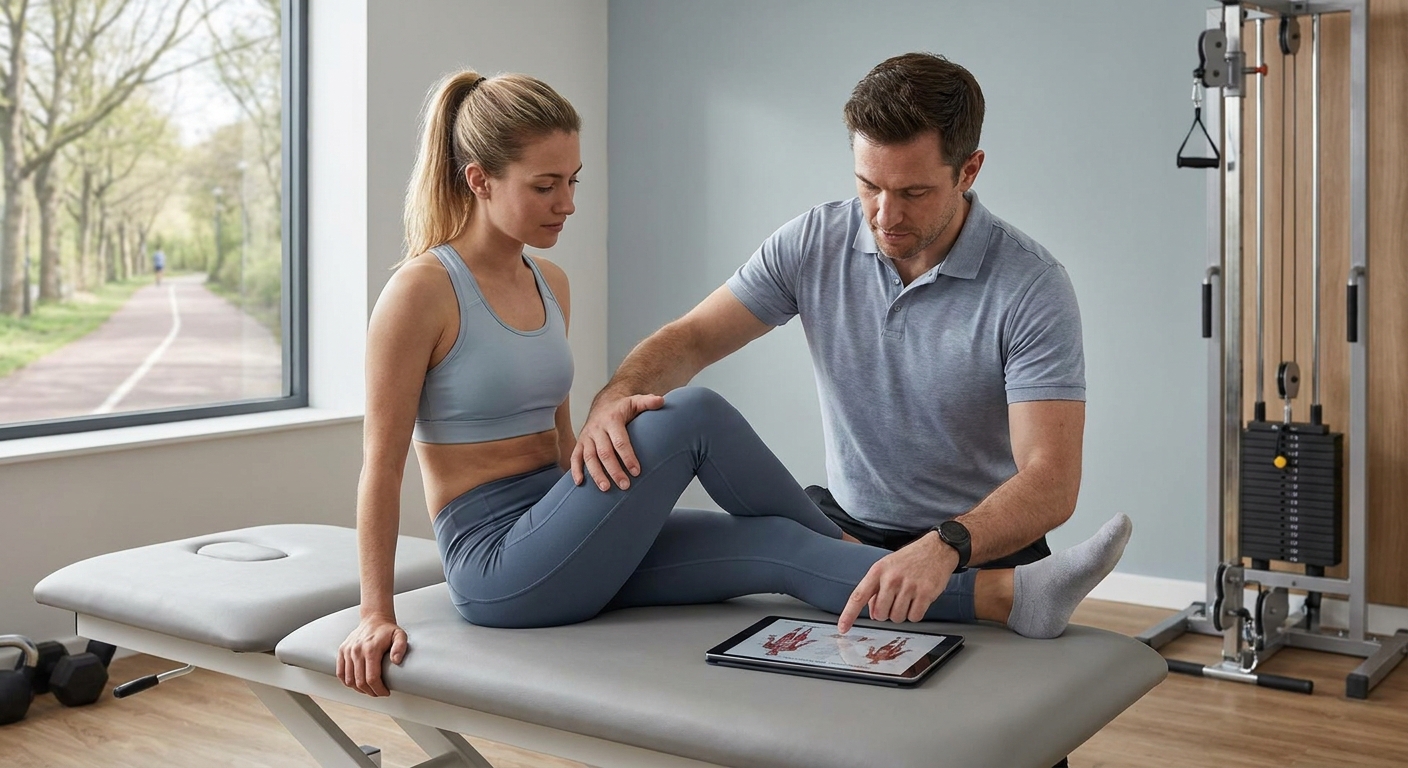
Hip pain that flares up mid-run or lingers after every long walk usually means something specific is going wrong in the joint, the surrounding muscles, or the nerves feeding that area, and guessing which one wastes months of training time. This guide breaks down what actually works for runners and active adults dealing with hip pain in 2026, and where a specialist visit beats another round of foam rolling.
TL;DR
Hip pain treatment for runners starts with an accurate diagnosis, not a generic stretch routine. For most active adults, physical therapy and activity modification remain the first-line move, corticosteroid injections are the fast reset for inflamed joints or bursae, and PRP is the biologic option worth considering when conservative care stalls. If pain radiates down the leg, it may actually be a spine issue rather than a hip problem, and in that case an epidural steroid injection outperforms anything aimed at the hip itself. Verdict: start conservative, escalate to image-guided injections only with a confirmed diagnosis, and treat referred pain at the source.
Why this matters
Runners push hips through repetitive loading that most joints in a sedentary body never see. Hip pain that would be a minor nuisance for someone walking to their car becomes a training-ending problem when you are logging 20 to 30 miles a week.
The bigger issue: hip pain in runners is often misdiagnosed. Pain felt at the hip can originate from the lumbar spine, the sciatic nerve, the SI joint, or the hip joint itself, and each of those needs a different treatment. Treating the wrong structure means months of physical therapy with no improvement. Hudson Pain and Spine sees this pattern regularly in active patients across Bergen, Passaic, and Middlesex counties: hip pain that turned out to be a lumbar disc issue, or a hamstring strain that was actually sciatic nerve irritation.
Who this is for
This guide is built for runners, cyclists, and active adults in their 30s through 60s who have had hip pain for more than two or three weeks and have already tried rest, ice, or a generic stretching routine without lasting relief. It is for people who want to keep training, not just stop moving until the pain goes away.
What to look for in hip pain treatment for runners
Board certification and fellowship training
A physician who is double board-certified and fellowship-trained in interventional pain management brings a different level of diagnostic rigor than a general orthopedist doing quick joint injections between surgical cases. For runners, that distinction matters because hip pain diagnosis often requires ruling out three or four competing sources before treating anything.
Diagnostic precision before treatment
Imaging and a structured physical exam should come before any injection. A provider who orders imaging only after a targeted exam, not as a reflexive first step, usually catches referred pain patterns that get missed in a five-minute visit.
A real conservative-care ladder
Good hip pain treatment for runners does not jump straight to injections. Physical therapy, load management, and gait analysis should be tried first for 4 to 6 weeks unless there is a clear structural reason to skip ahead.
Sport-specific return-to-run guidance
Generic rest-and-see-how-it-feels advice does not work for someone training for a fall marathon in 2026. Look for a treatment plan that includes a mileage progression, not just a green light to resume running.
Access and logistics that fit a training schedule
Runners need appointments that do not blow up a training week. Multiple office locations, and Hudson Pain and Spine operates in Englewood, Woodland Park, and Edison, make it easier to fit a visit around a race calendar instead of around it.
Willingness to treat the source, not just the symptom
If hip pain is actually referred from the lumbar spine, a provider needs to be comfortable saying so and treating the spine instead of chasing the hip with repeat injections that do not hold.
Top treatment options, ranked by what actually gets runners back to training
Physical therapy and activity modification, the foundation pick
This is where every hip pain case should start unless there is a red flag like numbness, weakness, or trauma. A structured 4-to-6-week program targeting hip flexor strength, glute activation, and running mechanics resolves a large share of overuse-related hip pain without any injection. Verdict: Buy, this is the non-negotiable first step for almost everyone.
Corticosteroid injection, the fast reset
For an inflamed bursa or joint, a single image-guided corticosteroid injection typically provides relief in the 6-to-12-week range, giving runners enough of a window to rebuild strength and mechanics before pain returns. It is not a long-term fix on its own, but it buys time that rest alone does not. Verdict: Consider, useful as a bridge, not a standalone solution.
PRP injection, the biologic wildcard
Platelet-rich plasma has gained traction through 2026 as a regenerative option for chronic tendon and joint issues that have not responded to corticosteroids. Evidence is still building compared to decades of steroid injection data, so it works best as a second-line option after conservative care and a corticosteroid trial have not held. Verdict: Consider for the right chronic case, Wait if you have not tried physical therapy first.
Epidural steroid injection, the fix for pain that only looks like hip pain
When hip and outer-thigh pain radiates from the lower back rather than the hip joint itself, treating the hip does nothing. An epidural steroid injection targets the actual source, nerve root inflammation in the spine, and resolves the hip pain that never had anything to do with the hip. Details on who qualifies for this approach are laid out in the epidural steroid injection candidate guide. Verdict: Buy, but only after imaging confirms a spinal source.
Herniated disc treatment, for runners whose hip pain traces back to the spine
A lumbar disc herniation can send pain down the sciatic nerve pathway that presents as deep hip or buttock pain, especially with prolonged sitting after a long run. Active adults and athletes often need a treatment path that is different from a sedentary patient’s, one built around returning to load, not just eliminating pain at rest. That approach is covered in the herniated disc treatment guide for active adults and athletes. Verdict: Buy for confirmed disc-related referred pain.
What to avoid
- Ignoring numbness, tingling, or leg weakness and assuming it is just a tight muscle. These are signs of nerve involvement that need diagnosis, not stretching.
- Jumping to a surgical consult before trying conservative care. Most hip pain in runners responds to physical therapy and targeted injections long before surgery becomes relevant.
- Repeat injections into the hip when the source is actually the spine. This wastes months and delays the treatment that would actually work.
Verdict comparison
| Treatment | Best for | Typical relief window | Verdict |
|---|---|---|---|
| Physical therapy | Overuse pain, weak mechanics | Ongoing with adherence | Buy |
| Corticosteroid injection | Inflamed bursa or joint | 6-12 weeks | Consider |
| PRP injection | Chronic tendon/joint pain, steroid-resistant | Months, evidence still building | Consider |
| Epidural steroid injection | Referred pain from lumbar spine | Weeks to months | Buy (if diagnosis confirms) |
| Herniated disc treatment plan | Sciatic-pattern hip/buttock pain | Varies by severity | Buy (for confirmed cases) |
FAQ
What’s the best hip pain treatment for runners? For most runners, the best starting treatment is a structured physical therapy program targeting hip and glute strength, with corticosteroid or PRP injections reserved for cases that do not improve within 4 to 6 weeks. Runners with referred pain from the spine need epidural steroid injections instead, since treating the hip directly will not resolve it.
Is PRP better than corticosteroid injections for hip pain? Neither is universally better. Corticosteroids act faster but wear off in weeks to a few months, while PRP is a slower-acting regenerative option better suited to chronic cases that have not responded to steroids. Most providers in 2026 still use corticosteroids as the first injection tried before considering PRP.
Can hip pain actually be a back problem? Yes. A lumbar disc herniation or nerve root irritation frequently refers pain to the hip, buttock, or outer thigh, and it is one of the most common misdiagnoses in active adults. Imaging and a targeted exam are the only reliable way to tell the difference.
How long should I try physical therapy before considering an injection? Most providers recommend a 4-to-6-week trial of physical therapy and activity modification before escalating to an injection, unless there is a clear structural finding on imaging that points to a faster intervention. Skipping this step often means treating the wrong thing first.
Do I need surgery for hip pain from running? Rarely, and only after conservative care and image-guided injections have failed to provide lasting relief. Most running-related hip pain resolves with physical therapy, activity adjustments, and targeted injections when needed.
How much does an epidural steroid injection cost? Costs vary based on insurance coverage and the specific procedure, so check directly with the provider’s office for current pricing and what your plan covers.
When should I see a pain specialist instead of a physical therapist? See a pain specialist if hip pain has lasted more than 3 to 4 weeks despite rest and basic care, if there is numbness or weakness in the leg, or if physical therapy has not produced improvement after a full 4-to-6-week trial.
Is it safe to keep running with hip pain? It depends on the source. Pain from a muscle imbalance may tolerate modified running, but pain from a nerve root or joint inflammation usually needs a temporary reduction in mileage while treatment takes effect. A diagnosis, not guesswork, should decide that answer.
One last thing
The hip pain that sidelines the most runners in 2026 often is not a hip problem at all. It is a lumbar spine issue wearing a hip pain disguise. Runners who spend months icing a hip that never improves are frequently treating the wrong joint, and a five-minute diagnostic exam at Hudson Pain and Spine can redirect the entire treatment plan toward the spine instead.
Related guides
About the Medical Reviewer
Dr. Saurabh Dang is a double board-certified interventional pain management specialist serving Central and Northern New Jersey. He combines clinical expertise with a patient-centered approach to help patients find lasting relief from chronic pain conditions.
Read Full Bio →Seeking Treatment for Epidural Injections?
Dr. Dang and the team at Hudson Pain and Spine offer specialized care and advanced interventional treatments.
Ready to Find Relief from Pain?
Schedule your consultation with Dr. Saurabh Dang at our Englewood office.
Serving patients across Central and Northern New Jersey — Bergen, Passaic, and Middlesex counties.