
How to Treat Interstitial Cystitis Pain: 2026 Guide

Medically reviewed by
Dr. Saurabh Dang, MD, MBA
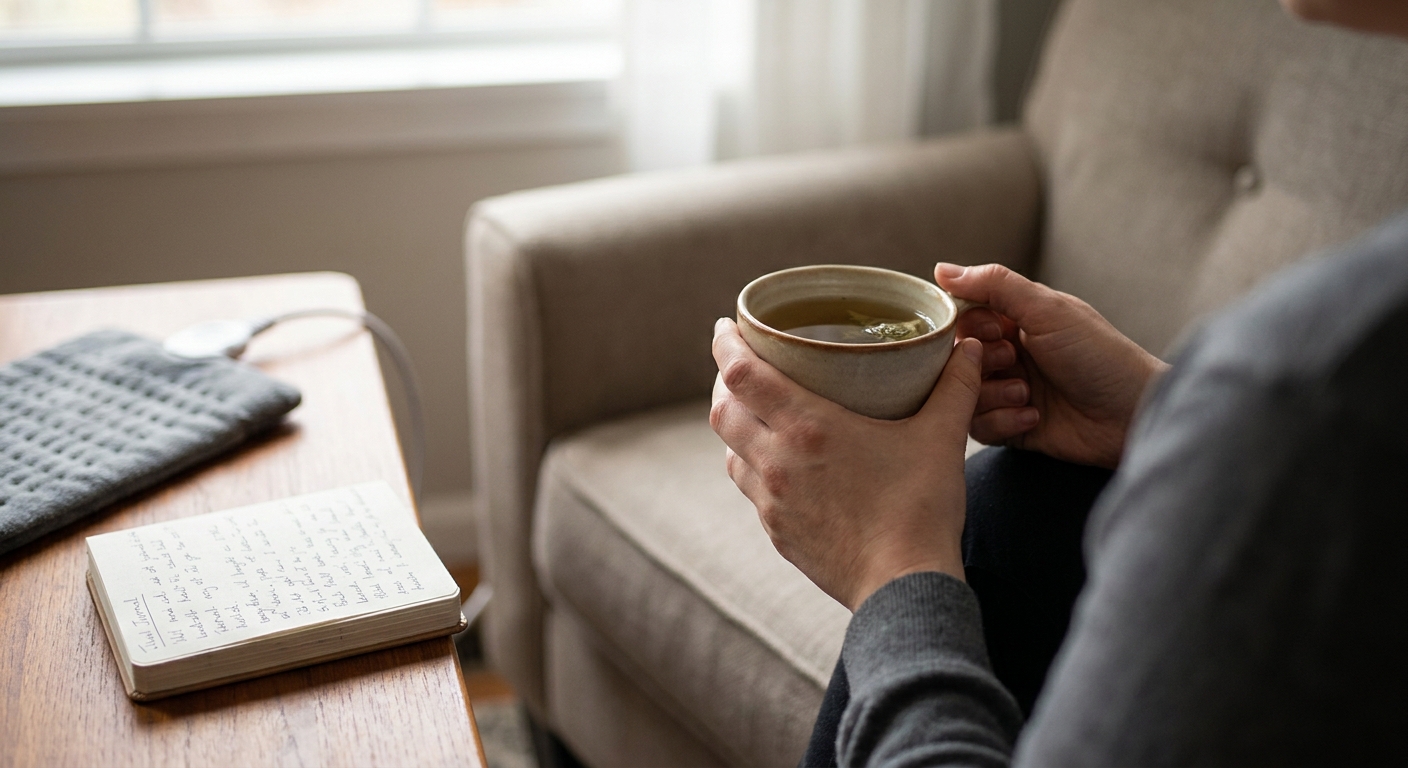
Interstitial cystitis pain does not respond to a single pill or a single treatment — it responds to a sequenced plan that starts conservative and escalates only when it needs to. This guide walks through that plan step by step, the way Dr. Saurabh Dang at Hudson Pain and Spine sequences it for patients with chronic bladder and pelvic pain in 2026.
TL;DR
- Interstitial cystitis treatment starts with diet and pelvic floor therapy before any injection or device.
- Bladder instillations need a full six-week course before anyone calls them ineffective.
- Pudendal nerve blocks and sacral neuromodulation are for patients who fail conservative care, not a first step.
- Symptom diaries catch flare triggers that generic advice misses — track food, stress, and cycle timing.
Why this matters
Interstitial cystitis, also called bladder pain syndrome, causes pelvic pressure, urgency, and burning that mimics a urinary tract infection without the infection showing up on a culture. Patients often cycle through two or three UTI treatments before anyone tests for IC specifically, which delays real relief by months. Getting the sequence right — diet, pelvic floor work, then interventional options like nerve blocks — matters more than which single treatment you try first. Pelvic pain treatment for women with chronic conditions covers how this bladder pain overlaps with other pelvic conditions that get misdiagnosed the same way.
What you’ll need
- A confirmed diagnosis (cystoscopy or a potassium sensitivity test, not just symptom review)
- A food and symptom diary — paper or an app, tracked for at least two weeks
- A referral to a pelvic floor physical therapist who treats bladder pain specifically
- Time: expect a 3 to 6 month treatment arc before you know if conservative care alone is enough
- Access to an interventional pain specialist if oral medication and physical therapy stall
The steps
1. Get a diagnosis that rules out mimics
IC pain looks like a UTI, endometriosis, or vulvodynia on the surface, so an accurate diagnosis has to rule those out first. A urologist or pain specialist typically confirms IC with cystoscopy and a potassium sensitivity test, since urine cultures come back negative in true IC cases. Skipping this step means you could spend 2026 treating the wrong condition. Common mistake: starting bladder instillations or pelvic floor therapy before ruling out endometriosis, which needs a different treatment path entirely.
2. Start an elimination diet for 2 to 4 weeks
Caffeine, alcohol, citrus, carbonated drinks, and spicy food are the most common bladder irritants reported by IC patients. Cut all of them for 2 to 4 weeks, then reintroduce one at a time every 3 days to identify your specific triggers. This step costs nothing and gives you a baseline before adding medication or procedures. Common mistake: cutting everything permanently instead of reintroducing — you end up with an unnecessarily restrictive diet and no data on what actually triggers your flares.
3. Begin pelvic floor physical therapy
Muscle spasm in the pelvic floor drives a significant share of IC pain, and a physical therapist trained in myofascial release can address it directly instead of just managing the bladder symptom. Plan on 6 to 8 sessions before judging whether it’s working, since the muscles need repeated release work to unlearn the guarding pattern. Expect mild soreness after early sessions — that’s normal, it should ease within 48 hours. Common mistake: stopping after one or two sessions because the pain feels the same; measurable change usually shows up around session 4 or 5.
4. Add oral medication if diet and PT aren’t enough
Pentosan polysulfate sodium, low-dose amitriptyline, and antihistamines like hydroxyzine are the standard oral options once conservative steps plateau. These work on different mechanisms — bladder lining repair, nerve pain modulation, and mast cell stabilization — so a combination sometimes outperforms any single drug. Give any oral regimen 8 to 12 weeks before deciding it isn’t working; IC medications are slow to build effect. Common mistake: switching medications every 2 weeks out of frustration, which never gives any single drug a fair trial.
5. Try bladder instillations for a full six-week course
Instillations deliver medication — often a DMSO or a multi-agent “cocktail” — directly into the bladder through a catheter, bypassing the digestive system entirely. The standard protocol runs one instillation per week for 6 weeks, and response is judged after the full course, not after session two or three. Patients who respond typically notice reduced urgency by week 4. Common mistake: quitting after 2 sessions of no relief — instillations are cumulative, not immediate.
6. Move to interventional nerve blocks when conservative care fails
When diet, PT, medication, and instillations haven’t gotten pain under control, a pudendal nerve block or a superior hypogastric plexus block targets the nerve pathways carrying pelvic pain signals directly. These are outpatient procedures done under imaging guidance, and many patients report a noticeable pain drop within days rather than weeks. This is the same interventional approach Hudson Pain and Spine uses for chronic pelvic pain in men, since the nerve pathways involved overlap regardless of anatomy. Common mistake: jumping straight to a nerve block before trying at least one full course of conservative treatment — insurers often deny the claim, and the pain may respond to simpler measures anyway.
7. Consider sacral neuromodulation for refractory cases
When nerve blocks give temporary relief but symptoms return, sacral nerve stimulation offers a longer-term option by continuously modulating the nerve signals controlling bladder function. It starts with a trial period — usually 1 to 2 weeks with a temporary external device — before committing to a permanent implant. This step is reserved for patients who’ve already tried the steps above without lasting relief. Common mistake: treating neuromodulation as a first-line option; it’s a later-stage tool, not a shortcut.
8. Track flares and adjust every 4 to 6 weeks
IC pain fluctuates with stress, hormonal cycles, and diet slip-ups, so a static treatment plan stops working if you don’t revisit it. Schedule follow-up every 4 to 6 weeks during active treatment to adjust medication dosing, instillation frequency, or PT intensity based on your symptom diary. Expected outcome: most patients see a stable, manageable baseline within 3 to 6 months of starting a structured plan, even without a full cure.
Get a pelvic pain evaluation
Confirm the diagnosis and start the right treatment sequence for interstitial cystitis pain.
Troubleshooting
- Pain flares after specific meals. Go back to the elimination diet log — coffee, tomato-based sauces, and wine are the three most common overlooked triggers.
- Bladder instillations show no change after 6 weeks. Move to the interventional conversation rather than repeating another 6-week course with the same protocol.
- Pelvic floor PT soreness lasts more than 48 hours. Tell your therapist — the technique or intensity likely needs adjusting, not a signal to quit.
- Pentosan polysulfate causes vision changes. Report this immediately to the prescribing physician; dosing and duration both affect this known side effect.
- Pain radiates to the lower back or rectum, not just the bladder. This pattern often points toward pudendal nerve involvement rather than a bladder-only problem, which changes the treatment target.
- Symptoms overlap with endometriosis or vulvodynia. Ask for a joint evaluation — treating IC alone won’t resolve pain coming from a second, undiagnosed condition.
Tools and resources
- Cystoscopy and potassium sensitivity testing through a urologist
- A pelvic floor physical therapist with bladder pain training
- A symptom and food diary (paper or app)
- Pelvic pain treatment for women with chronic conditions for how IC fits alongside other pelvic conditions
- How to manage chronic pain without opioids for non-opioid pain control strategies that apply to IC flares
- Guidance on when to see a pain management specialist for chronic pain if conservative care stalls past 3 months
What to do next
If you’re past the diet-and-PT stage with no relief, the next real step is an interventional evaluation, not another round of the same medication. Hudson Pain and Spine sees IC and chronic pelvic pain patients across Bergen, Passaic, and Middlesex counties and can determine whether a nerve block or neuromodulation trial fits your case in 2026.
FAQ
How to treat interstitial cystitis pain when diet changes aren’t enough?
Move to pelvic floor physical therapy and oral medication like pentosan polysulfate or amitriptyline before considering bladder instillations. Give each stage 6 to 12 weeks before judging results.
What is the fastest way to relieve an interstitial cystitis flare?
Cutting caffeine, alcohol, and acidic foods for a few days plus over-the-counter bladder analgesics like phenazopyridine offers the fastest short-term relief. Long-term relief still requires the full treatment sequence, not just flare management.
Are bladder instillations painful?
Most patients report mild discomfort during catheter placement but not significant pain during the instillation itself. The full protocol runs one session weekly for 6 weeks before effectiveness is assessed.
Is interstitial cystitis the same as a chronic UTI?
No — interstitial cystitis produces UTI-like symptoms without a positive urine culture. Confirming this distinction through cystoscopy or a potassium sensitivity test prevents months of ineffective antibiotic treatment.
When should someone with IC see a pain management specialist instead of a urologist?
Once diet, pelvic floor therapy, oral medication, and bladder instillations have all been tried without lasting relief, a pain management specialist can evaluate pudendal nerve blocks or sacral neuromodulation. This is typically the 3 to 6 month mark for most patients.
Do nerve blocks work for interstitial cystitis pelvic pain?
Pudendal nerve blocks and hypogastric plexus blocks target the nerve pathways carrying pelvic pain signals and often reduce pain within days for patients who haven’t responded to conservative treatment. They’re used as a later-stage option, not a first-line treatment.
Can interstitial cystitis be cured?
There’s no single cure, but a structured treatment sequence brings most patients to a stable, manageable baseline within 3 to 6 months. Ongoing follow-up every 4 to 6 weeks keeps the plan adjusted as symptoms shift.
What foods should someone with interstitial cystitis avoid?
Caffeine, alcohol, citrus fruit, carbonated beverages, and spicy food are the most commonly reported bladder irritants. An elimination diet followed by gradual reintroduction identifies which specific foods trigger your flares.
One last thing
The patients who get the fastest relief aren’t the ones who jump straight to a nerve block — they’re the ones who run the elimination diet and pelvic floor PT in parallel from week one instead of doing them sequentially, cutting months off the trial-and-error process.
Related guides
- Chronic pelvic pain in men
- How celiac plexus blocks relieve chronic abdominal pain
- When to see a pain management specialist for chronic pain
- How to manage chronic pain without opioids
About the Medical Reviewer
Dr. Saurabh Dang is a double board-certified interventional pain management specialist serving Central and Northern New Jersey. He combines clinical expertise with a patient-centered approach to help patients find lasting relief from chronic pain conditions.
Read Full Bio →Seeking Treatment for Nerve Block Injections?
Dr. Dang and the team at Hudson Pain and Spine offer specialized care and advanced interventional treatments.
Ready to Find Relief from Pain?
Schedule your consultation with Dr. Saurabh Dang at our Englewood office.
Serving patients across Central and Northern New Jersey — Bergen, Passaic, and Middlesex counties.