
Pain After C-Section: 2026 Recovery Guide & When to Worry

Medically reviewed by
Dr. Saurabh Dang, MD, MBA
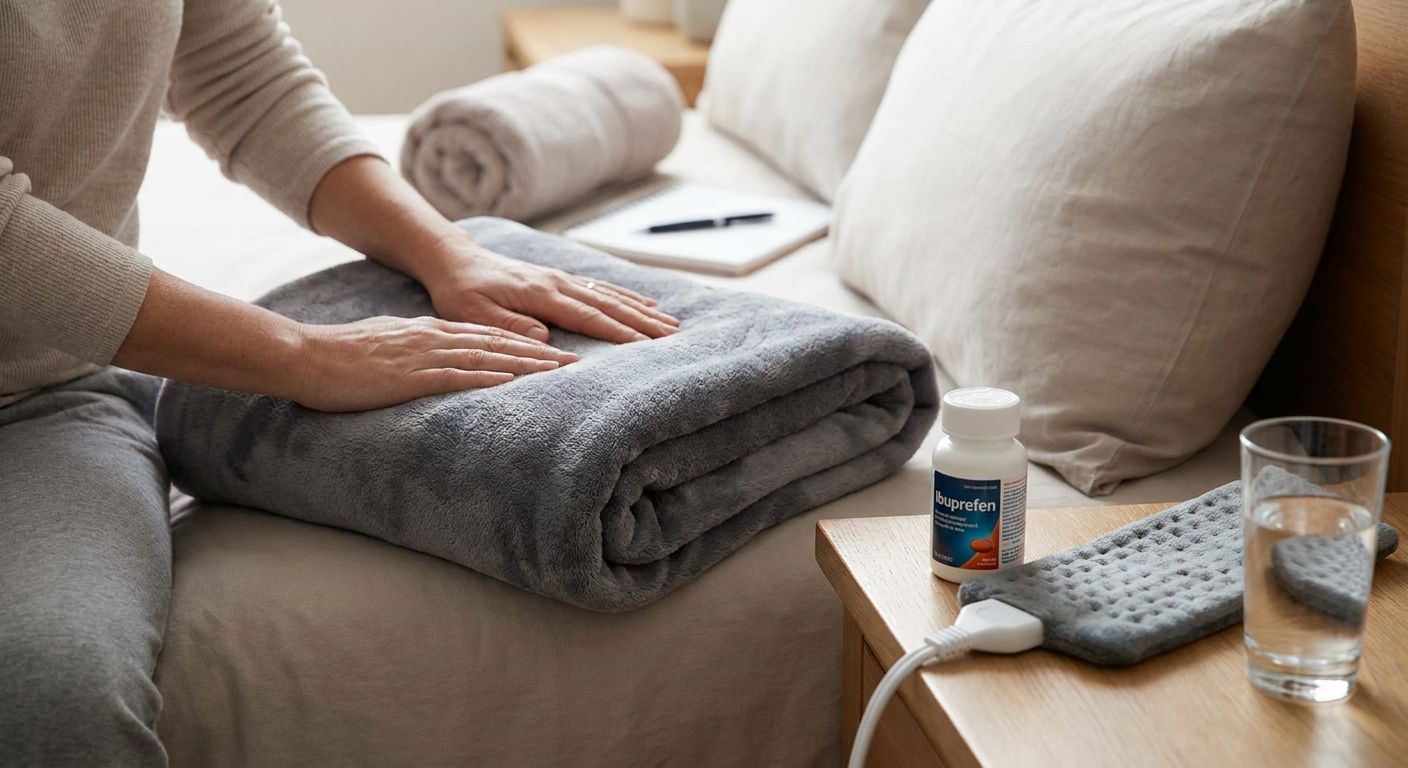
A C-section is major abdominal surgery, and the pain that follows it doesn’t stop at the incision line — it moves through your core, your back, and sometimes down into your hips as your body heals through 2026’s postpartum recovery timelines. This guide walks through what to expect week by week, what actually helps, and when incision pain has crossed into something that needs a specialist.
TL;DR
- Pain after c-section typically peaks in the first 48-72 hours and improves steadily over 6 weeks.
- Support the incision with a pillow or abdominal binder before coughing, laughing, or standing to cut sharp pain.
- Burning or numbness at the scar past 3 months signals possible nerve entrapment — worth a pain specialist visit.
- Non-opioid options (ice, positioning, movement) do most of the work after the first week; Hudson Pain and Spine treats cases that don’t resolve.
Why this matters
Most c-section pain resolves in a predictable pattern, but a meaningful share of patients end up with pain that lingers well past the standard 6-week postpartum checkup. Chronic post-surgical pain after cesarean delivery is a documented phenomenon, and it’s different from normal healing soreness — it doesn’t respond to time alone. Knowing the difference early keeps you from either overtreating a normal recovery or under-treating a problem that needs intervention.
What you’ll need
- Prescribed pain medication from your OB, taken on schedule for the first 3-5 days, not “as needed”
- An abdominal binder or firm pillow to brace the incision during movement
- A stool softener (constipation and straining are the fastest way to spike incision pain)
- Ice packs for the first 48-72 hours, then a heating pad after day 3
- Loose, high-waisted clothing that doesn’t sit on the incision
- A support person for the first week — you should not be lifting anything heavier than your baby
The steps
1. Stay ahead of pain in the first 48 hours
The first two days after a c-section are the most painful, and undertreating this window makes every day after it harder. Take prescribed medication on a schedule, not when pain becomes severe — pain that’s allowed to spike is harder to bring back down. Ice the incision for 15-20 minutes at a time during this window to reduce swelling. Expect pain in the 6-8 out of 10 range on day one, dropping to 4-5 by day three; if it’s not dropping, tell your OB before your scheduled follow-up.
2. Get up and move within 24 hours
Walking sounds counterintuitive with a fresh incision, but it’s one of the most effective things you can do — it reduces blood clot risk and speeds gut motility, which cuts down on gas pain. Most hospitals will have you standing and walking a short distance within 12-24 hours of surgery. Start with a lap around the room, brace the incision with your hand or a pillow, and increase distance daily. Skipping this step is the most common mistake — patients who stay still longer report more gas pain and slower overall recovery.
3. Brace the incision for every cough, laugh, or sit-up
Any motion that engages your abdominal muscles — coughing, laughing, sneezing, sitting up from lying down — pulls directly on the incision. Press a pillow or folded towel firmly against the incision before these movements. This single habit prevents the sharp, tearing pain that catches people off guard in week one. Use the same bracing technique when getting in and out of bed: roll to your side first, then push up with your arms instead of using your abs.
4. Treat gas and bloating pain directly
Anesthesia and abdominal surgery slow the digestive system, and trapped gas often causes more pain than the incision itself by day two or three. Walking helps, and so does peppermint tea, a warm compress on the abdomen, and avoiding carbonated drinks and straws for the first week. Gas pain typically peaks around day 2-3 post-surgery and resolves within a week as gut motility returns to normal.
5. Watch the incision daily for infection
Check the incision once a day for increasing redness, warmth, swelling, or drainage that’s yellow, green, or foul-smelling. A fever over 100.4°F combined with incision changes is a same-day call to your OB, not a wait-and-see situation. Normal healing looks like a pink line that fades to a thin scar over several weeks — anything that gets worse instead of better after day 4 or 5 needs to be evaluated.
6. Ease back into activity between 2 and 6 weeks
Most providers clear light activity like driving and short errands around week 2, and full activity including exercise around week 6, assuming the incision has healed cleanly. Lifting restrictions — usually nothing heavier than your baby — typically stay in place through week 6. Rushing this timeline is the most common reason pain flares back up after it seemed to be improving; a setback at week 4 is often a sign you did too much too soon, not a new problem.
7. Address pain that persists past 6-8 weeks
If pain at the incision site is still sharp, burning, or worse than a dull ache at your 6-week checkup, that’s not “just recovery” anymore. Nerve fibers can get caught in scar tissue during healing, producing burning, tingling, or electric-shock sensations at or near the incision — a condition sometimes called nerve entrapment. This is a distinct clinical picture from muscle soreness and it doesn’t improve with more time; it needs a targeted evaluation.
8. Know when to bring in a pain specialist
If incision pain, numbness, or burning is still present at 3 months postpartum, or if pain is disrupting sleep and daily function, when to see a pain management specialist for chronic pain walks through the signs worth acting on. Hudson Pain and Spine evaluates persistent post-surgical and postpartum pain that hasn’t responded to conservative recovery, including nerve-related pain at scar sites.
Pain not improving after your c-section?
Get evaluated for post-surgical or postpartum pain that’s lingering past recovery.
Troubleshooting
- Pain isn’t improving by day 5-7. Normal recovery trends downward daily. If pain is flat or worsening, rule out infection or a hematoma before assuming it’s “just slow healing.”
- Burning or electric-shock sensations at the scar. This points to nerve involvement, not muscle soreness — ice and rest won’t fix it, and it often needs a targeted evaluation.
- Sharp pain returns after weeks of improvement. Usually a sign of doing too much activity too soon; scale back to the prior week’s activity level for a few days.
- Constipation is making incision pain worse. Straining directly stresses the incision — increase fluids, use a stool softener consistently, and add fiber before reaching for anything stronger.
- Lower back pain shows up alongside incision pain. Postpartum posture changes and epidural positioning during delivery can both contribute; back pain treatment for pregnant women covers related mechanics that carry into the postpartum period.
- You’re relying on prescription opioids past week two. Most c-section recovery shifts to non-opioid pain control (acetaminophen, ibuprofen, ice, positioning) within 10-14 days — best non-opioid options for chronic pain management outlines what typically replaces them.
Tools and resources
- Abdominal binder for incision support during movement and coughing
- Stool softener, taken daily starting immediately after surgery
- Heating pad (after the first 48-72 hours of icing)
- Pain management for postpartum women with chronic back pain for pain that extends beyond the incision itself
- How to manage chronic pain without opioids for non-opioid strategies once the first two weeks pass
What to do next
If pain after your c-section is still sharp, burning, or limiting daily function once you’re past the standard 6-week recovery window, don’t wait for it to resolve on its own. Read when to see a pain management specialist for chronic pain to understand the specific signs that separate normal healing from a problem that needs treatment in 2026.
FAQ
How long does pain after a c-section last?
Most pain after a c-section improves steadily over 6 weeks, with the sharpest pain in the first 48-72 hours. Pain that’s still sharp or burning past 6-8 weeks needs evaluation rather than more time.
Is burning pain at the c-section scar normal?
Burning or electric-shock sensations at the incision are not typical muscle soreness and often point to nerve tissue caught in scar formation. This pattern doesn’t resolve with rest alone and is worth discussing with a specialist if it persists past 3 months.
What helps gas pain after a c-section?
Walking, peppermint tea, and avoiding carbonated drinks or straws are the most effective ways to move trapped gas after a c-section. Gas pain usually peaks around day 2-3 and clears within a week as gut motility returns.
When can I stop taking pain medication after a c-section?
Most patients shift off prescription pain medication and onto over-the-counter options like acetaminophen or ibuprofen within 10-14 days. Needing prescription-strength medication well past two weeks is worth flagging to your OB.
Can c-section pain turn into chronic pain?
Yes, a portion of patients develop persistent post-surgical pain at the incision site that doesn’t resolve on the normal recovery timeline. This is a recognized clinical pattern, distinct from typical healing, and responds to targeted treatment rather than time.
Is lower back pain normal after a c-section?
Some lower back pain is common postpartum due to posture changes, core weakness, and epidural positioning during delivery. Back pain that’s sharp, radiates down a leg, or persists past several weeks postpartum should be evaluated separately from incision recovery.
What does nerve entrapment at a c-section scar feel like?
Nerve entrapment typically feels like burning, tingling, or a sharp electric sensation localized at or near the scar, rather than a dull ache. It’s a distinct pattern from muscle soreness and generally needs a specialist evaluation rather than more recovery time.
When should I see a pain specialist after a c-section?
See a pain specialist if incision pain, numbness, or burning is still present at your 6-8 week postpartum checkup, or if pain is disrupting sleep and daily function. Waiting longer typically doesn’t resolve nerve-related post-surgical pain on its own.
One last thing
The detail most patients miss: gas pain, not incision pain, is usually the worst part of days 2-3 after a c-section — and it’s the most fixable, with walking and peppermint tea doing more than most people expect. Save the concern for pain that’s still sharp or burning well past the 6-week mark; that’s the pattern worth bringing to a specialist in 2026, not the normal week-one discomfort.
Related guides
- Back pain treatment for pregnant women
- Pain management for postpartum women with chronic back pain
- How to manage chronic pain without opioids
- Best non-opioid options for chronic pain management
- When to see a pain management specialist for chronic pain
About the Medical Reviewer
Dr. Saurabh Dang is a double board-certified interventional pain management specialist serving Central and Northern New Jersey. He combines clinical expertise with a patient-centered approach to help patients find lasting relief from chronic pain conditions.
Read Full Bio →Seeking Treatment for Epidural Injections?
Dr. Dang and the team at Hudson Pain and Spine offer specialized care and advanced interventional treatments.
Ready to Find Relief from Pain?
Schedule your consultation with Dr. Saurabh Dang at our Englewood office.
Serving patients across Central and Northern New Jersey — Bergen, Passaic, and Middlesex counties.