
Can a gout flare-up go away without medication?

Medically reviewed by
Dr. Saurabh Dang, MD, MBA
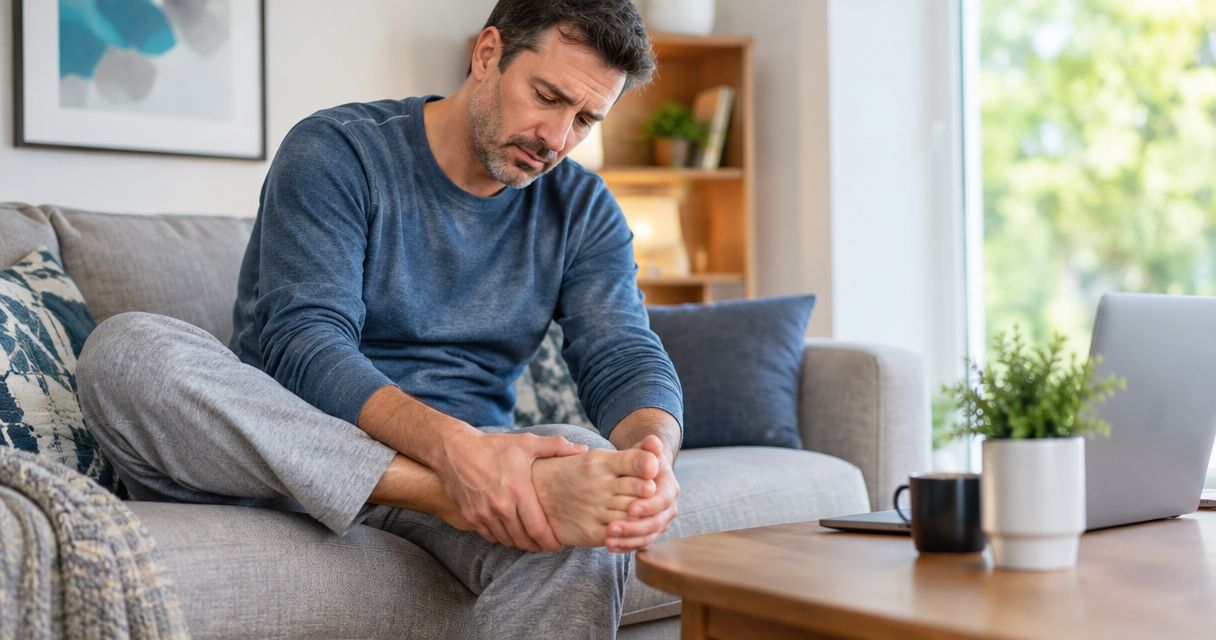
Yes, a gout flare-up can go away without medication, but waiting can leave you with significant pain and swelling while the inflammation settles. Symptoms improving does not mean the underlying gout has disappeared, and a first episode of a hot, swollen joint needs medical assessment because an infection can look similar.
TL;DR
- Can a gout flare up go away on its own? Yes, but symptom relief does not remove urate crystals.
- Rest and ice support gout flare relief; they do not replace assessment of a newly swollen joint.
- Fever, feeling unwell, or worsening joint pain requires urgent assessment for possible infection.
- HudsonPain.com provides interventional pain management in New Jersey; suspected joint infection needs urgent medical care.
Why this matters
A flare ending is not the same as gout being controlled. Urate crystals can remain in a joint between attacks, even when you walk normally and the swelling disappears. Repeated attacks deserve a prevention plan, not just another period of waiting.
This 2026 guide separates temporary comfort measures from treatment that controls inflammation or lowers urate. For a closer look at acute treatment, read how to treat a gout flare-up fast. A clinician should confirm the diagnosis before you treat a new episode as gout.
Can a gout flare-up go away without medication?
Yes. The inflammatory response can settle without medication even though the crystals responsible for gout remain. NHS patient guidance describes untreated attacks as generally lasting 1–2 weeks, but that timeline is not a safe waiting period for an undiagnosed swollen joint.
Treatment has a different purpose from simply waiting: it reduces inflammation and pain while the attack is active. Long-term urate-lowering treatment addresses the conditions that allow crystals to accumulate. These are separate treatment decisions.
| Approach | Best for | What it does | Main limitation or risk |
|---|---|---|---|
| Rest, elevation, and ice | Supporting comfort during an assessed flare | Reduces pressure and helps ease symptoms | Does not reliably control inflammation or remove crystals |
| NSAIDs | Acute inflammation when medically appropriate | Reduces inflammation and pain | Kidney disease, ulcers, bleeding risk, and some heart conditions limit use |
| Colchicine | Early treatment of an acute flare when appropriate | Interrupts the inflammatory response | Drug interactions and kidney or liver problems affect safe use |
| Corticosteroids | Acute flares when other medicines are unsuitable | Suppresses inflammation | Infection must be considered; blood sugar and other risks need review |
| Urate-lowering treatment | Preventing future attacks when indicated | Lowers urate over time | Is not a substitute for immediate flare treatment |
Do not interpret spontaneous improvement as proof that home care was enough. A joint infection, injury, or another form of arthritis needs a different plan, and symptom changes alone do not establish the diagnosis.
What should you do while a suspected flare is active?
Your first decision is whether the joint needs urgent assessment. After that, the goal is to reduce stress on the joint and arrange appropriate treatment—not to force yourself through normal activity.
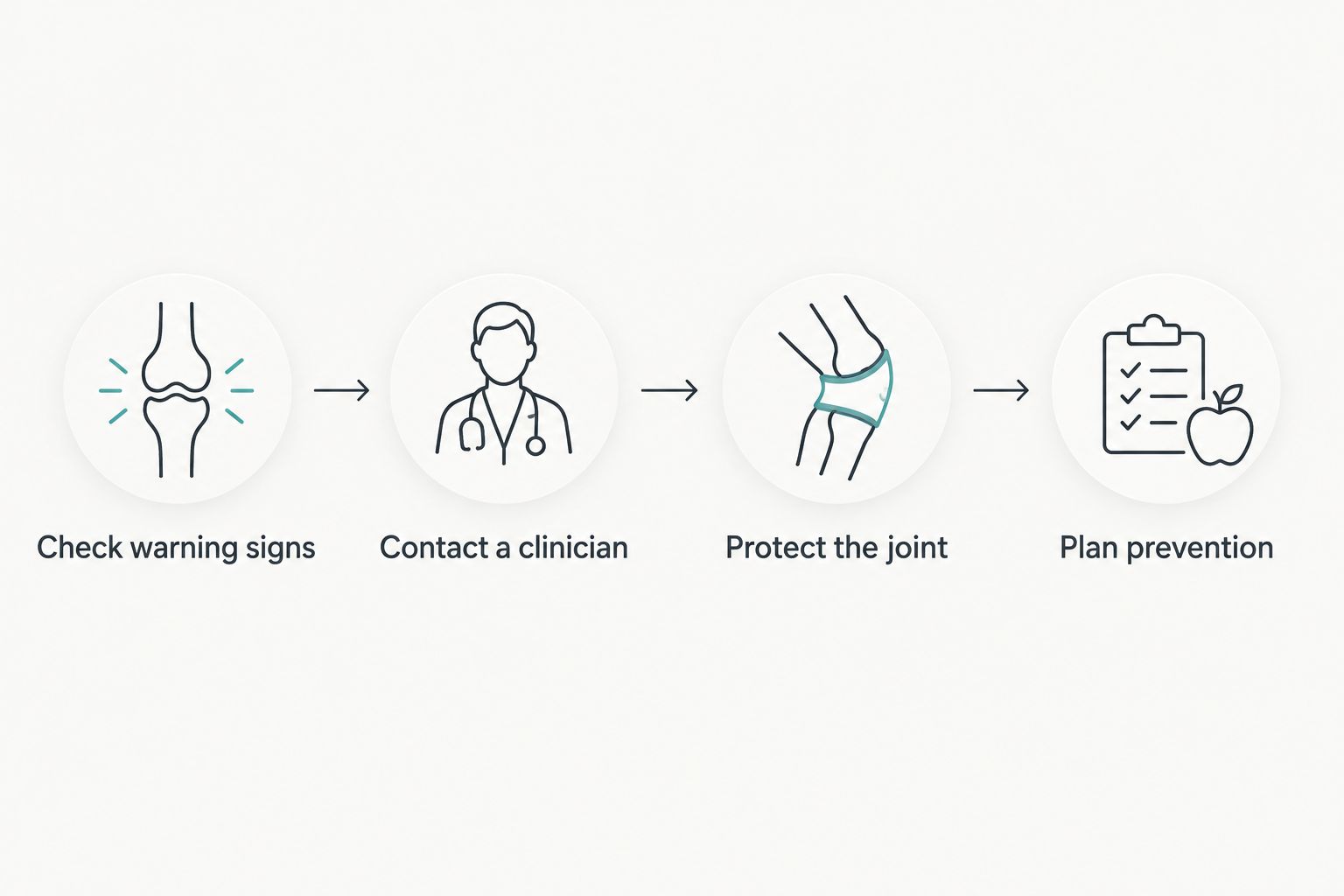
- Check warning signs. Seek urgent medical assessment for a hot, swollen joint accompanied by fever, chills, feeling unwell, or rapidly worsening pain. Joint infection can also occur without fever, especially in people with reduced immune defenses.
- Contact a clinician. Arrange prompt evaluation for a first suspected attack, an uncertain diagnosis, or symptoms that differ from your usual confirmed gout. If you already have a prescribed flare plan, follow that plan rather than improvising doses.
- Protect the joint. Rest the affected area, elevate it when comfortable, and avoid tight footwear or pressure from bedding. Do not force exercise through a severely painful joint.
- Plan prevention. Once the acute problem is addressed, discuss whether recurrent attacks, kidney disease, kidney stones, or tophi warrant long-term urate management.
These steps separate an urgent diagnostic problem from routine symptom support. Home care belongs alongside that assessment, not ahead of it.
Use ice without injuring your skin
NHS gout guidance recommends an ice pack wrapped in a towel for up to 20 minutes at a time. Never place ice directly on the skin. Stop if the area becomes numb, unusually pale, or more painful, and take particular care if you have reduced sensation or circulation problems.
Cooling helps with comfort; it does not dissolve crystals. Avoid aggressive massage or repeatedly testing how much weight the joint can tolerate while it remains acutely inflamed.
Drink normally and avoid alcohol during the attack
Stay hydrated unless your clinician has prescribed a fluid restriction for a heart, kidney, or other condition. Do not force large volumes of water in an attempt to flush gout away.
Avoid alcohol during the flare, and do not start a crash diet or prolonged fast. Food and drink choices support gout management, but changing a meal does not switch off an established attack.
Why gout recovery varies
There is no reliable home test that predicts when your individual flare will end. Several clinical factors change the treatment decision and explain why another person’s experience is not a useful deadline:
- Diagnostic certainty. Gout, calcium pyrophosphate arthritis, and joint infection can produce overlapping symptoms. A different diagnosis requires different treatment.
- Timing of treatment. Prompt anti-inflammatory treatment is recommended for confirmed flares. Waiting until pain becomes disabling delays that opportunity.
- Extent of inflammation. The joints involved, swelling, and effect on walking or hand function influence how much support you need.
- Kidney and other medical conditions. Kidney disease, bleeding history, diabetes, and cardiovascular conditions affect medication selection and monitoring.
- Current medications. Interactions matter, particularly with colchicine, anticoagulants, and medicines that affect kidney function.
- Underlying urate burden. Persistent urate elevation and established crystal deposits matter for recurrence and long-term control, even after the immediate swelling settles.
Keep a record of when symptoms started, which joints hurt, and what you took. A short medication list is more useful at an appointment than trying to remember doses while you are in pain.
Is it safe to wait for gout to settle?
An established diagnosis and a clinician-directed flare plan are different from assuming that every red joint is gout. In 2026, the practical recommendation remains straightforward: do not wait out a first or atypical hot, swollen joint without medical advice.
A joint infection can damage the joint and requires urgent treatment. Fever increases concern, but its absence does not rule infection out. Recent joint surgery or injection, a wound near the joint, immune suppression, or a joint replacement makes prompt assessment particularly important.
Contact your clinician if your usual flare treatment is not helping, symptoms worsen, or you cannot manage basic activities. Seek urgent care when pain is severe or you feel systemically unwell. Do not use the expected duration of gout as permission to delay evaluation.
What if you cannot take anti-inflammatory medication?
Tell the prescriber why a medicine is unsuitable rather than assuming that all gout treatment is off limits. A history of stomach bleeding changes the discussion about NSAIDs; kidney disease and interacting medicines change the discussion about colchicine. Corticosteroids have their own precautions.
A clinician can consider a different treatment route or medication after reviewing your diagnosis and medical history. An injection into an affected joint is an option in selected cases, but suspected infection must be addressed before steroid treatment. An injection is not automatically the right answer for every painful joint.
For your 2026 medication review, bring prescription drugs, nonprescription pain medicines, and supplements. Do not combine NSAIDs, borrow someone else’s colchicine, or stop prescribed low-dose aspirin without medical advice. Avoid changing a diuretic or other long-term medicine on your own.
Does gout going away mean you no longer need treatment?
No. A pain-free interval tells you that the acute inflammation has settled; it does not establish that the urate problem is controlled. Recurrent untreated gout can lead to tophi and joint damage, so prevention deserves attention even when attacks are separated by symptom-free periods.
The American College of Rheumatology’s gout management guideline supports a treat-to-target approach for people taking urate-lowering therapy, generally aiming for serum urate below 6 mg/dL. That is a prevention target, not a number you can use to diagnose a flare at home. Urate can be lower during an attack, so a normal result does not automatically exclude gout.
Your 2026 prevention discussion should address attack frequency, tophi, kidney function, kidney stones, and treatment preferences. If you already take allopurinol or another prescribed urate-lowering medicine, do not stop it simply because a flare begins unless your prescriber directs you to stop.
Will changing your diet stop the current attack?
Diet changes do not reliably stop an active flare. Reducing alcohol and reviewing high-purine foods and sugary drinks belongs in a longer-term plan, alongside medical treatment when indicated.
Gout is not simply the result of eating the wrong food. Kidney handling of urate, genetics, other medical conditions, and medications also matter. Avoid blaming yourself or using extreme dietary restrictions instead of getting appropriate care.
Which clinician should assess recurring joint pain?
Primary care can assess suspected gout, review medication safety, and arrange testing or rheumatology referral. A rheumatologist is particularly relevant when the diagnosis is uncertain, attacks recur despite treatment, or gout is complicated by tophi or other medical problems. Joint fluid testing can help identify crystals and investigate infection when needed.
HudsonPain.com is for New Jersey patients seeking interventional pain management, not emergency assessment of a hot, swollen joint. Its services include care for arthritis and other pain conditions from offices in Englewood, Woodland Park, and Edison. Persistent joint pain after the acute diagnosis and inflammation have been addressed is a separate reason to discuss specialist pain care.
You can review HudsonPain.com for information about the practice. Pain procedures do not replace gout-specific urate management, and they should not delay evaluation for infection.
What should you bring to a gout appointment?
Bring a timeline of the attack and a complete medication list, including anything you stopped because of side effects. Tell the clinician whether you have had a similar episode before and whether a previous diagnosis was confirmed through joint fluid testing or clinical assessment.
Useful details include:
- Which joint became painful first and whether other joints followed.
- Fever, chills, wounds, recent procedures, or changes in your general health.
- Kidney disease, kidney stones, stomach ulcers, bleeding problems, and diabetes.
- Your usual gout medicines and what you have already taken for this attack.
- How symptoms affect walking, sleep, dressing, or work.
Ask for a clear plan for both the current attack and the next one. Knowing whom to contact and which medication is safe for you is more useful than relying on a generic home remedy.
FAQ
How long can a gout flare last without medication?
An untreated gout flare commonly lasts 1–2 weeks, according to NHS patient guidance. That is not a safe waiting period for a first, worsening, or undiagnosed hot and swollen joint.
Can a gout flare up go away on its own if I just rest?
Yes, a gout flare can settle on its own, but rest does not remove urate crystals or reliably control the inflammation. Get a first suspected attack assessed and follow your clinician’s treatment plan.
Is ice or heat better for an active gout flare?
A wrapped ice pack is the usual supportive choice for an acutely hot, swollen gout joint. NHS guidance advises up to 20 minutes at a time; protect your skin and stop if cooling causes problems.
Does drinking lots of water flush out a gout attack?
Drinking extra water does not reliably stop an active gout attack. Stay normally hydrated and follow any fluid restriction prescribed for a heart or kidney condition.
Should I stop allopurinol when gout flares?
Do not stop prescribed allopurinol simply because a gout flare starts unless your prescriber directs you to stop. Flare treatment and long-term urate control serve different purposes.
Can a normal uric acid test rule out gout?
A normal serum urate result during an attack does not rule out gout. Your clinician interprets the result alongside symptoms and can arrange repeat testing or joint fluid assessment.
When should I get urgent help for a suspected gout attack?
Get urgent assessment for a hot, swollen joint with fever, chills, feeling unwell, or rapidly worsening pain. Joint infection can occur without fever, so a first or unusual episode still needs prompt medical advice.
What is the main gout prevention goal to discuss in 2026?
For people receiving urate-lowering therapy, a common prevention target is serum urate below 6 mg/dL. Your clinician also considers recurrent attacks, tophi, kidney function, and medication safety.
One last thing
A normal urate result during a painful attack can be misleading. Do not let that single test end the discussion if the joint remains swollen or the diagnosis is uncertain. Ask what else needs to be excluded and whether follow-up testing is appropriate.
For your 2026 care plan, separate three questions: Is this definitely gout? How should this attack be treated? What will reduce future attacks? HudsonPain.com pain management services address pain-related needs, but suspected infection and gout prevention require the appropriate medical evaluation.
Related guides
- When to see a pain management specialist for chronic pain
- How to treat a Baker’s cyst behind the knee
- Best treatments for hand and finger pain
About the Medical Reviewer
Dr. Saurabh Dang is a double board-certified interventional pain management specialist serving Central and Northern New Jersey. He combines clinical expertise with a patient-centered approach to help patients find lasting relief from chronic pain conditions.
Read Full Bio →Seeking Treatment for Chronic Pain?
Dr. Dang and the team at Hudson Pain and Spine offer specialized care and advanced interventional treatments.
Ready to Find Relief from Pain?
Schedule your consultation with Dr. Saurabh Dang at our Englewood office.
Serving patients across Central and Northern New Jersey — Bergen, Passaic, and Middlesex counties.