
Chronic Pain After ACL Reconstruction: 2026 Treatment Steps

Medically reviewed by
Dr. Saurabh Dang, MD, MBA
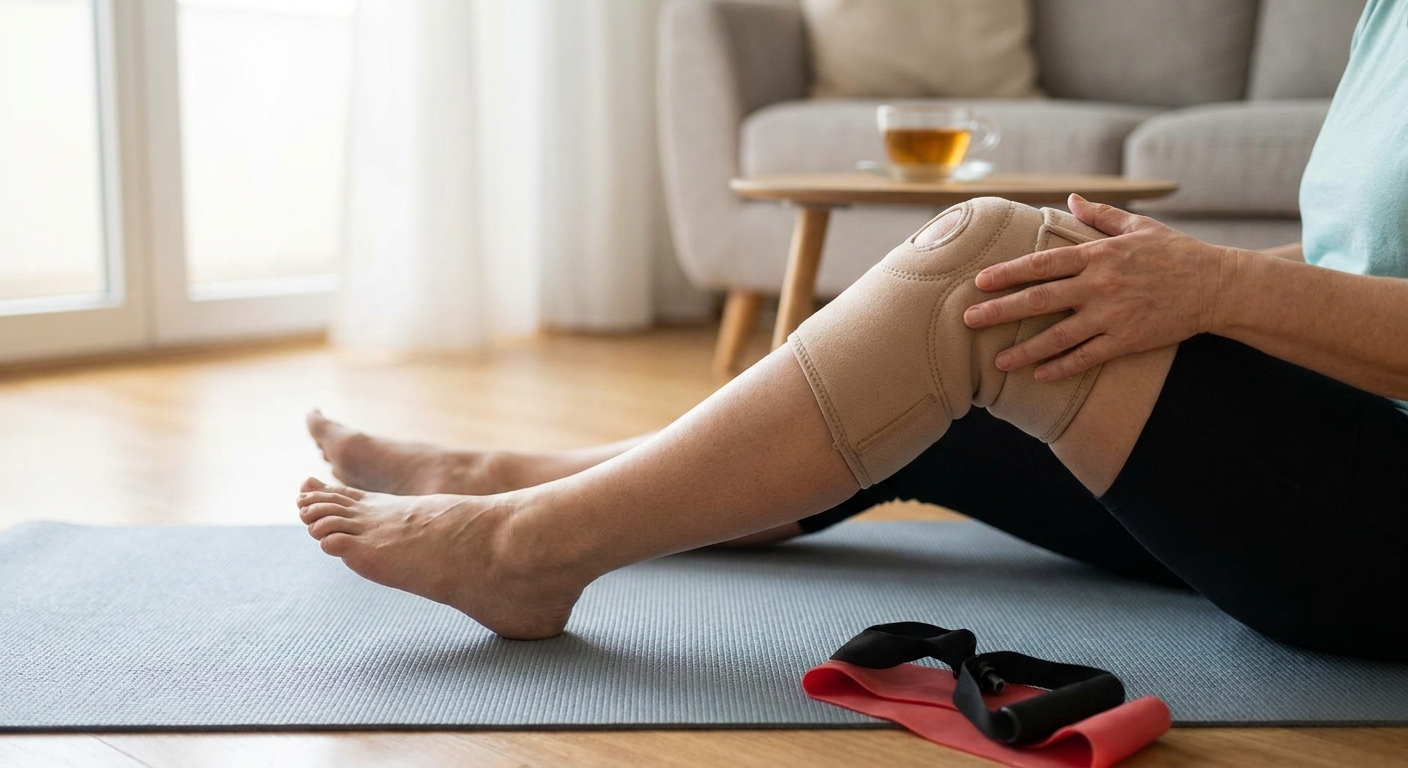
Pain that shows up months after ACL reconstruction isn’t a sign the surgery failed — but it also isn’t something you should just wait out forever. If physical therapy has stalled and the knee still aches, swells, or burns past the three- to four-month mark, the fix usually isn’t more stretching. It’s a different diagnosis.
TL;DR
- Chronic pain after ACL reconstruction past 3-4 months needs imaging, not just more physical therapy.
- PRP injections for chronic knee pain and genicular nerve blocks target pain PT alone can’t fix.
- 10% to 30% of ACL reconstruction patients report pain persisting beyond two years post-surgery.
- See a pain specialist by month four if swelling, burning, or numbness sticks around alongside the ache.
Why this matters
Most surgeons expect ACL reconstruction pain to fade as the graft matures and quad strength returns, usually somewhere in the 4- to 6-month window. When it doesn’t, patients get told to “give it more time” long after more time stops helping. Research tracking ACL reconstruction outcomes finds 10% to 30% of patients still report meaningful knee pain past the two-year mark, and a 2007 study in Arthritis & Rheumatism found nearly half of ACL reconstruction patients show radiographic knee osteoarthritis within 10 to 20 years of surgery.
That’s a wide range of outcomes hiding under one surgery. The point isn’t to alarm you — it’s to explain why “just keep doing PT” isn’t always the right 2026 answer for a knee that’s six months out and still hurting. Hudson Pain and Spine works through post-surgical knee pain with patients who’ve already finished rehab and are still stuck.
What you’ll need
- Your operative report from the ACL reconstruction (graft type, any concurrent meniscus repair)
- Recent imaging — an X-ray at minimum, MRI if pain has lasted past 3 months
- A written log of your physical therapy sessions and where strength testing landed
- A clear list of what triggers the pain: stairs, kneeling, cold weather, prolonged sitting
- 8 to 12 weeks of patience before concluding the pain is permanent
- A referral or self-scheduled visit with an interventional pain specialist once PT plateaus
The steps
1. Confirm what’s actually causing the pain
Don’t assume lingering pain is just “normal healing.” Graft irritation, hardware prominence, and low-grade infection all mimic garden-variety post-surgical soreness, and each needs a different fix. Ask for updated imaging if none has been done in the last 3 months. Common mistake: treating every ache the same way instead of ruling out a mechanical cause first.
2. Finish the full physical therapy arc before calling it permanent
A proper ACLR rehab program runs 12 to 16 weeks minimum, often longer, and targets roughly 90% quad strength symmetry before progressing to return-to-sport testing. Pain that persists despite a completed, well-documented PT course is a stronger signal than pain at week 6. Common mistake: stopping PT early because it hurts, which often makes chronic pain worse, not better.
3. Rule out meniscus or cartilage damage
A meniscus tear, sometimes present at the time of the original injury and sometimes new, is a common hidden driver of post-ACLR knee pain, especially pain with twisting or squatting. If imaging shows a tear, how to treat a torn meniscus without surgery covers non-surgical options worth trying before another operation. Common mistake: assuming any twinge with pivoting is just scar tissue.
4. Try targeted injections when PT plateaus
When strength and range of motion are back but pain and swelling aren’t, image-guided injections fill the gap conservative care leaves. Corticosteroid injections calm acute flares fast; hyaluronic acid and PRP injections for chronic knee pain target the joint lining and cartilage over a longer horizon. Common mistake: repeating the same injection type multiple times without reassessing what’s actually inflamed.
5. Treat nerve pain separately from joint pain
Numbness or burning along the inner knee and shin after ACLR is often infrapatellar saphenous nerve irritation from the surgical incision, not the graft itself. This responds to genicular nerve blocks or radiofrequency ablation, not more strengthening exercises. Confusing nerve pain for joint pain is one of the most common reasons ACLR patients stay stuck through 2026 and beyond.
6. Layer in at-home tools between clinic visits
TENS units, structured ice-and-heat cycling, and a home exercise routine keep gains between office visits and reduce flare frequency. These don’t replace a diagnosis, but they buy time and comfort while you work through steps 1-5. Common mistake: relying on heat and ice alone for pain that’s lasted more than 4 months.
7. Build a return-to-load plan with objective testing
Don’t return to running, cutting sports, or heavy squatting based on how the knee “feels.” Use single-leg hop tests and strength symmetry numbers to confirm the knee is ready, and go back to the specialist if pain reappears at a specific load threshold. That threshold tells you exactly what still needs treatment.
Still in pain after ACL surgery?
Get a diagnosis for lingering knee pain from a fellowship-trained specialist.
Troubleshooting
- Pain is worse at rest or at night than with activity — this pattern can point toward a nerve-driven process rather than mechanical wear; flag it for your specialist instead of assuming it’s positional.
- Burning or numbness along the incision line — likely saphenous nerve irritation. A targeted nerve block usually confirms the diagnosis and treats it in the same visit.
- Swelling keeps coming back after activity, months later — persistent synovitis needs to be checked, not iced away indefinitely. Repeat imaging if swelling recurs more than twice in a month.
- Injections helped for a few weeks, then pain returned — this usually means the diagnosis is close but not exact. Repeat imaging or add a diagnostic nerve block to pinpoint the source before repeating the same injection.
- Insurance won’t approve the recommended procedure — this is common with newer injection types. How to get insurance approval for pain procedures walks through documentation that speeds up approval.
- Pain limits kneeling or squatting long after “full recovery” — this often points to patellofemoral irritation rather than the graft itself, and needs its own targeted plan.
Tools and resources
- Operative report and post-op imaging from your ACL reconstruction
- A physical therapy log with strength testing dates and results
- A TENS unit for at-home symptom management between visits
- Documentation for insurance approval if injections are recommended
- An interventional pain management evaluation once conservative care plateaus
What to do next
If you’re 4 months or more past ACL reconstruction and still dealing with pain that hasn’t responded to a completed PT course, the next step is a targeted evaluation, not another round of the same exercises. How to manage chronic pain without opioids covers the non-medication path most patients start with before considering injections or nerve procedures.
FAQ
How long is pain normal after ACL reconstruction?
Mild soreness and swelling are typical for 3 to 6 months after ACL reconstruction as the graft matures and strength returns. Pain that persists past 4 to 6 months despite completed physical therapy is considered chronic and warrants a targeted evaluation.
What causes chronic pain after ACL reconstruction?
The most common causes are graft irritation, a missed or new meniscus tear, patellofemoral irritation, and nerve injury from the surgical incision. Imaging and a physical exam distinguish between these, since each needs a different treatment.
Is burning pain after ACL surgery normal?
Burning or numbness along the incision line is usually saphenous nerve irritation, not a sign of surgical failure. It’s treatable with a targeted nerve block once identified, and it’s common enough that specialists check for it routinely.
Do PRP injections work for knee pain after ACL surgery?
PRP injections for chronic knee pain can reduce inflammation and support cartilage health when conservative care has plateaued. They work best on joint-driven pain, not nerve pain, which is why an accurate diagnosis matters before choosing an injection type.
When should I see a pain specialist after ACL reconstruction?
See a pain specialist if pain, swelling, or numbness persists past 4 months despite a completed physical therapy program. Earlier evaluation is reasonable if symptoms include night pain, burning, or swelling that keeps returning.
Can a torn meniscus cause pain years after ACL surgery?
Yes, a new or missed meniscus tear is a common cause of pain that develops or worsens well after the original ACL reconstruction. Twisting or squatting pain is a typical sign, and imaging confirms it.
Does insurance cover pain management after ACL surgery?
Coverage varies by plan and procedure type, and many injections require prior documentation of failed conservative care. Working through the approval process with clear PT records speeds this up considerably.
What’s the difference between joint pain and nerve pain after ACLR?
Joint pain after ACL reconstruction typically worsens with load, swelling, and motion, while nerve pain presents as burning, numbness, or tingling along the incision or shin. The two need different treatments, which is why an accurate diagnosis matters before starting injections.
One last thing
The detail most patients miss: pain that’s worse with kneeling specifically, months after a clean recovery, is rarely the graft talking. It’s almost always the patellofemoral joint or the incision-site nerve, and both have straightforward, targeted fixes once someone actually looks for them instead of prescribing another round of generic strengthening.
About the Medical Reviewer
Dr. Saurabh Dang is a double board-certified interventional pain management specialist serving Central and Northern New Jersey. He combines clinical expertise with a patient-centered approach to help patients find lasting relief from chronic pain conditions.
Read Full Bio →Seeking Treatment for Nerve Block Injections?
Dr. Dang and the team at Hudson Pain and Spine offer specialized care and advanced interventional treatments.
Ready to Find Relief from Pain?
Schedule your consultation with Dr. Saurabh Dang at our Englewood office.
Serving patients across Central and Northern New Jersey — Bergen, Passaic, and Middlesex counties.