
Piriformis Syndrome Treatment 2026: Steps That Work

Medically reviewed by
Dr. Saurabh Dang, MD, MBA
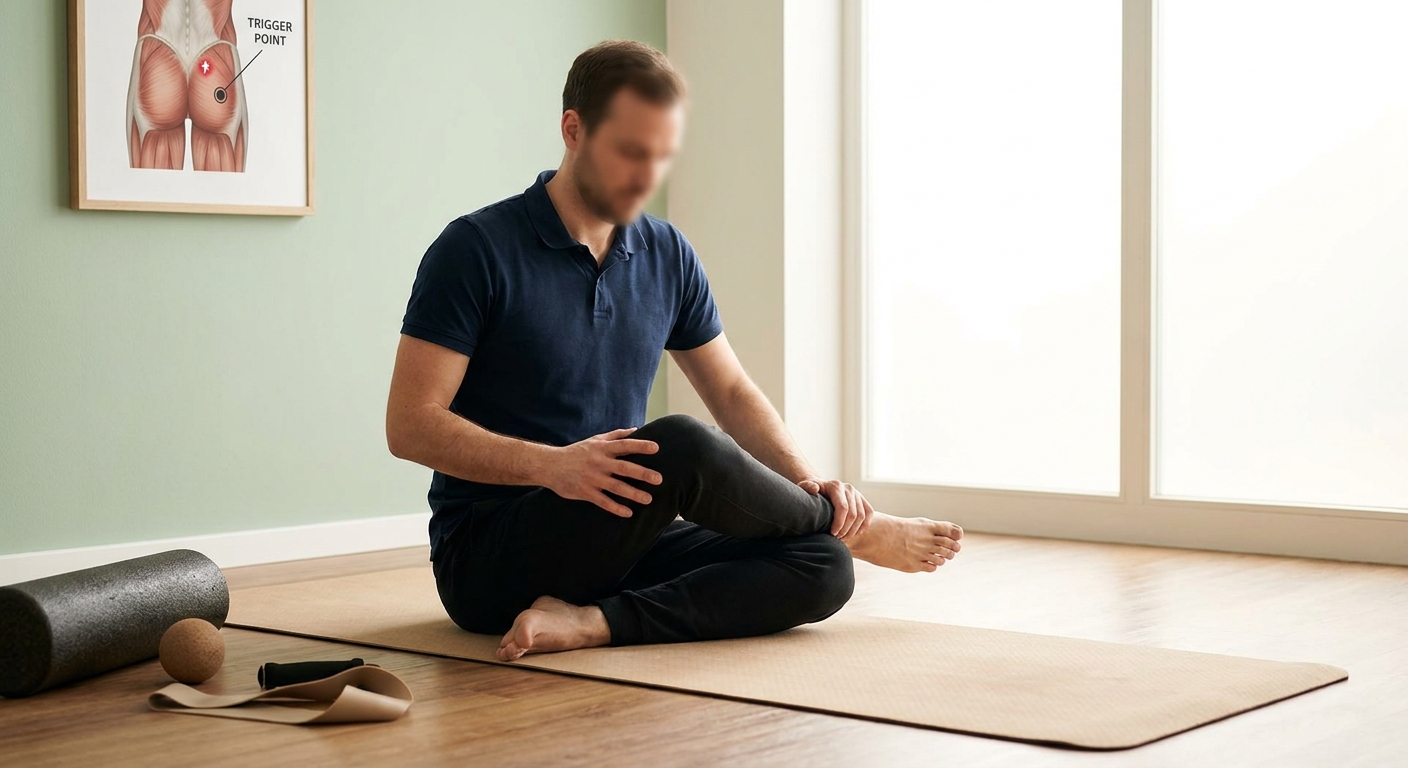
Piriformis syndrome causes deep buttock pain that mimics sciatica, and most cases improve with stretching, physical therapy, and targeted injections rather than surgery. This guide walks through the exact sequence to try in 2026, from home stretches to image-guided injections, and tells you when to escalate.
TL;DR
- Piriformis syndrome treatment in 2026 starts with stretching, activity modification, and NSAIDs for four to six weeks.
- A guided piriformis injection is the next step when conservative care fails — most patients feel relief within days.
- Sitting longer than 30 minutes at a stretch is the most common trigger clinicians see in this condition.
- Surgical release is rarely needed; it’s reserved for the small number of cases that don’t respond to injections.
Why this matters
Piriformis syndrome gets misdiagnosed constantly because it mimics a herniated disc or sciatica from the spine. The piriformis muscle sits deep in the buttock, and when it tightens or spasms, it compresses the sciatic nerve running underneath or through it. That produces pain, tingling, or numbness down the back of the leg that looks identical to disc-related sciatica on the surface.
Getting the diagnosis right changes the treatment plan entirely. A spine problem needs epidural injections or nerve blocks targeting the spine. A piriformis problem needs muscle-focused treatment, and treating the wrong structure wastes weeks. Dr. Saurabh Dang at Hudson Pain and Spine sees this overlap regularly in patients who tried generic back pain treatment first and got no relief because nobody addressed the muscle itself.
The good news: piriformis syndrome responds well to a staged approach. Most patients don’t need advanced procedures. The ones who do usually respond to a single injection series before anyone discusses surgery.
What you’ll need
- A confirmed diagnosis ruling out disc herniation, sciatica from the spine, or interventional pain management evaluation if home care stalls
- A foam roller or lacrosse ball for self-myofascial release
- A resistance band for hip strengthening
- NSAIDs (ibuprofen or naproxen) unless contraindicated
- Heat pack for muscle relaxation, ice pack for flare-ups
- 15-20 minutes daily for stretching and strengthening, sustained for at least four weeks
- A standing desk converter or reminder app if your job involves long sitting
The steps
1. Confirm the diagnosis before treating anything
Piriformis syndrome shares symptoms with lumbar disc herniation, sacroiliac joint dysfunction, and hip bursitis. A physical exam with the FAIR test (flexion, adduction, internal rotation) reproduces the pain when the piriformis is the culprit. Imaging rules out a disc problem when the picture isn’t clear.
Skipping this step is the single biggest mistake patients make. Stretching a piriformis that isn’t actually the problem delays real treatment by weeks. Expected outcome: a clear diagnosis within one visit, sometimes with imaging as a follow-up.
2. Start the piriformis stretch and figure-4 stretch daily
Lie on your back, cross the affected ankle over the opposite knee, and pull the uninvolved thigh toward your chest until you feel a stretch deep in the buttock. Hold for 30 seconds, repeat three times, twice a day. This directly lengthens the muscle compressing the nerve.
Most patients notice reduced tingling within 7-10 days if the diagnosis is correct. Common mistake: stretching once and stopping when relief is slow — this muscle responds to consistency, not intensity.
3. Add hip and glute strengthening
A weak gluteus medius forces the piriformis to overwork as a stabilizer, which is why strengthening matters as much as stretching. Clamshells with a resistance band, three sets of 15, target exactly this weakness. Bridges add hip extension strength without loading the lower back.
Do this three times a week for at least four weeks before judging results. Skipping the strengthening phase and only stretching is why some patients plateau at 2026’s most common complaint: relief that never quite sticks.
4. Use NSAIDs and heat correctly, not randomly
NSAIDs reduce the inflammation around the compressed nerve, and heat before stretching loosens the muscle for a deeper release. Ice after activity controls flare-ups from overuse. Use heat for 15 minutes before stretching sessions, ice for 15 minutes after any flare.
Expected outcome: noticeably less morning stiffness within the first week. Common mistake: using ice as the default and skipping heat, which leaves the muscle too tight to stretch effectively.
5. Fix the sitting pattern that’s driving the flare
Sitting compresses the piriformis directly against a hard surface, and most patients with this condition sit 6+ hours a day without a break. Stand or shift position every 30 minutes. A wallet in the back pocket on the affected side is a frequent, overlooked aggravator — remove it.
This single change often determines whether stretching and strengthening actually hold. Expected outcome: fewer end-of-day flare-ups within two weeks of consistent breaks.
6. Consider trigger point injections if pain plateaus at six weeks
When stretching, strengthening, and activity changes stall around the four-to-six-week mark, a targeted injection breaks the cycle. Trigger point injections deliver anesthetic directly into the tight muscle band, releasing the spasm compressing the nerve.
Most patients report relief within 48-72 hours of the injection. Buy-in on this step: it’s a low-risk, in-office procedure, not a major intervention, and it’s the standard next move once home care alone isn’t enough.
7. Escalate to image-guided injection for stubborn cases
When a standard trigger point injection doesn’t hold, an ultrasound- or fluoroscopy-guided piriformis injection places medication with more precision, directly at the nerve-muscle interface. This is typically reserved for patients who’ve completed at least one round of conservative treatment without lasting relief.
Expected outcome: relief lasting weeks to months, often paired with continued stretching to prevent recurrence. Common mistake: expecting one injection to be a permanent fix without keeping up the exercise program.
8. Reassess immediately if numbness or weakness progresses
Worsening numbness, foot drop, or loss of bladder/bowel control are not piriformis syndrome symptoms — they signal a more serious nerve or spine issue requiring urgent evaluation. Don’t wait out the six-week conservative window if any of these appear.
Get an accurate diagnosis first
Rule out spine involvement before starting treatment for buttock and leg pain.
Troubleshooting
Pain gets worse after stretching, not better. Stop immediately — this usually means the diagnosis is wrong, or the stretch is being done with too much force. Reassess with a clinician before continuing.
Numbness is spreading further down the leg. This is a red flag for spinal nerve compression rather than isolated piriformis involvement, and it needs imaging, not more stretching.
Pain flares every time after a long car ride. Prolonged hip flexion in a seated position is a classic piriformis trigger. Use a wedge cushion and stop every 60-90 minutes on long drives.
No improvement after six full weeks of stretching and PT. This is the threshold where injection-based treatment becomes the right next step, not a sign to keep pushing the same routine longer.
Pain is worse on one side only after sitting on a wallet or phone. Remove anything in back pockets — direct compression on the muscle undoes weeks of stretching progress in minutes.
Symptoms return within a month of injection relief. This points to unresolved muscle imbalance. Restart the strengthening phase in step 3 rather than repeating the injection alone.
Tools and resources
- Foam roller or lacrosse ball for daily self-release
- Resistance bands (light and medium) for clamshells and bridges
- Low-impact exercises for chronic back pain for cross-training that won’t aggravate the muscle
- Standing desk converter or a phone reminder app for the 30-minute rule
- A wedge cushion for long car rides or desk work
What to do next
If six weeks of stretching, strengthening, and activity changes hasn’t resolved the pain, the next move is a clinical evaluation to confirm piriformis syndrome versus a spine-related cause and discuss injection options. Hudson Pain and Spine evaluates buttock and leg pain with a physical exam first, imaging when indicated, and a staged treatment plan rather than jumping straight to advanced procedures.
FAQ
What is the best piriformis syndrome treatment?
The best piriformis syndrome treatment in 2026 starts with daily stretching, hip strengthening, and NSAIDs for four to six weeks. If pain persists, a targeted injection is the standard next step before any surgical discussion.
How long does piriformis syndrome take to heal?
Most cases improve within four to six weeks of consistent stretching and strengthening. Cases that need an injection typically see relief within days to a few weeks of the procedure.
Is piriformis syndrome the same as sciatica?
No — sciatica describes nerve pain from any cause, while piriformis syndrome is one specific cause where the piriformis muscle compresses the sciatic nerve. A disc herniation causes sciatica through a completely different mechanism.
Can piriformis syndrome be treated without surgery?
Yes, and surgery is rarely necessary. Stretching, physical therapy, and injections resolve the vast majority of cases, with surgical release reserved for the small number that don’t respond to those steps.
What does a piriformis injection involve?
A piriformis injection delivers anesthetic and sometimes a steroid directly into the muscle, often guided by ultrasound or fluoroscopy for precision. It’s an in-office procedure with most patients resuming normal activity the same day.
What makes piriformis pain worse?
Prolonged sitting, sitting on a wallet or phone in a back pocket, and stair climbing or hill running commonly aggravate piriformis syndrome. Removing these triggers alongside treatment speeds up recovery.
When should I see a specialist for piriformis syndrome?
See a specialist if six weeks of stretching and activity changes haven’t helped, or immediately if numbness, weakness, or bladder changes appear. Those symptoms can signal a spine issue that needs a different treatment path.
One last thing
The detail most patients miss: a wallet or phone in the back pocket on the affected side can undo weeks of stretching progress in a matter of days, because it applies direct, sustained pressure on the exact muscle you’re trying to release. Pull it out before you even start the stretching program, not after.
Related guides
About the Medical Reviewer
Dr. Saurabh Dang is a double board-certified interventional pain management specialist serving Central and Northern New Jersey. He combines clinical expertise with a patient-centered approach to help patients find lasting relief from chronic pain conditions.
Read Full Bio →Seeking Treatment for Epidural Injections?
Dr. Dang and the team at Hudson Pain and Spine offer specialized care and advanced interventional treatments.
Ready to Find Relief from Pain?
Schedule your consultation with Dr. Saurabh Dang at our Englewood office.
Serving patients across Central and Northern New Jersey — Bergen, Passaic, and Middlesex counties.