
Plantar Fasciitis Treatment 2026: Step-by-Step Guide

Medically reviewed by
Dr. Saurabh Dang, MD, MBA
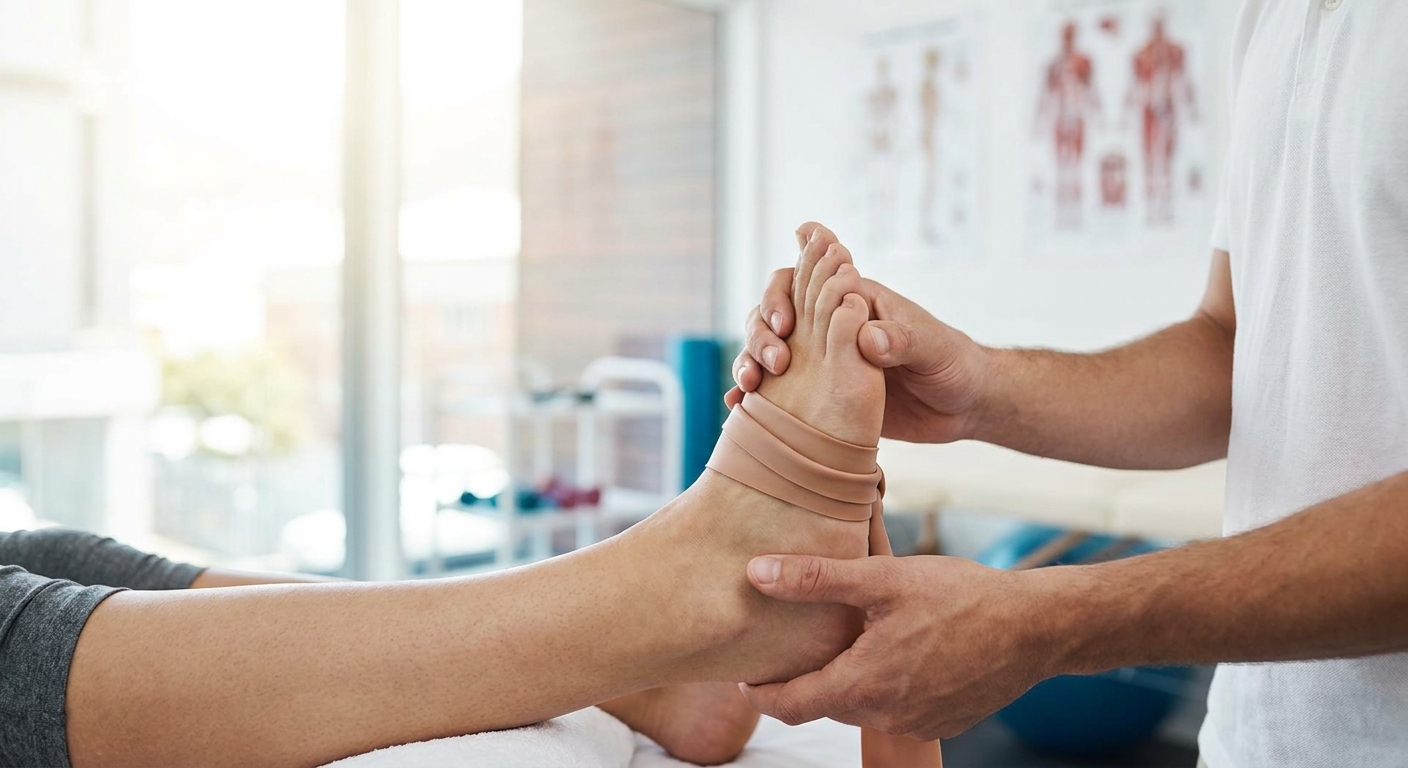
Heel pain from plantar fasciitis usually starts as a stab under the heel with the first steps out of bed, and it responds to a specific sequence of care rather than random stretching. This guide walks through what to do first, when conservative treatment stops working, and when to see an interventional pain specialist in 2026.
TL;DR
- Plantar fasciitis treatment starts with rest, ice, calf stretching, and supportive footwear for 6-8 weeks before anything else.
- Morning heel pain that hasn’t improved after 2 months of home care needs a clinical exam, not more stretching.
- Trigger point injections and other interventional options exist for cases that fail conservative care - Hudson Pain and Spine treats these in Englewood, Woodland Park, and Edison.
- Night splints and a 10-15 minute ice routine after activity cut morning pain faster than stretching alone.
Why this matters
Plantar fasciitis is inflammation and micro-tearing of the thick band of tissue running along the bottom of the foot, from the heel to the toes. Left untreated, it doesn’t just linger - it changes how you walk, which shifts stress onto the knees, hips, and lower back.
Most cases improve with conservative plantar fasciitis treatment within 8 to 12 weeks. But a meaningful share of patients push through months of stretching and orthotics with no real change, and that’s usually a sign the fascia needs a different kind of intervention, not more patience. Knowing the difference early saves months of pain.
What you’ll need
- Ice pack or frozen water bottle for rolling under the foot
- Supportive shoes with a firm heel counter and arch support (avoid flat sandals and worn-out running shoes)
- A resistance band or towel for calf and plantar fascia stretches
- Over-the-counter shoe inserts or custom orthotics
- A night splint that holds the foot at a 90-degree angle
- 15-20 minutes a day for stretching and icing, consistently, for at least 6 weeks
- A referral to a pain specialist if symptoms don’t improve by week 8
The steps
1. Cut back on the activity that’s aggravating it
Standing, running, and walking on hard surfaces load the plantar fascia every time the heel strikes the ground. Reducing mileage or standing time by roughly half for 2 weeks gives the tissue a chance to calm down before you add stretching and strengthening on top of it.
This doesn’t mean full rest. Complete immobility weakens the calf and fascia and makes the return to activity harder. Common mistake: stopping all activity for a week and then jumping straight back to a 5-mile run - the fascia hasn’t adapted and the pain returns within days.
2. Ice the heel after activity, every time
Roll a frozen water bottle under the arch for 10-15 minutes after any walking or standing session. Cold reduces the inflammatory response that drives the sharp, first-step pain in the morning.
Do this 2-3 times a day during the first 2 weeks. Common mistake: icing only when the pain is bad, which lets inflammation build back up between sessions instead of staying controlled.
3. Stretch the calf and plantar fascia daily
Tight calf muscles and Achilles tendons pull on the heel bone and increase strain on the fascia with every step. A calf stretch against a wall, held for 30 seconds and repeated 3 times per leg, loosens that chain before it’s a factor.
Pair it with a plantar fascia stretch: sit down, cross the affected foot over the opposite knee, and pull the toes back toward the shin for 30 seconds, 3 sets, first thing in the morning before standing up. Common mistake: stretching only when the foot already hurts instead of doing it daily as prevention.
4. Switch to supportive footwear immediately
Shoes with a firm heel counter and built-in arch support distribute pressure away from the inflamed area of the fascia. Flat shoes, worn-out sneakers, and barefoot walking on hard floors do the opposite - they concentrate load right where the injury is.
Over-the-counter inserts help most people; custom orthotics are worth the cost if pain persists past 4 weeks despite everything else. Common mistake: wearing supportive shoes outside the house but going barefoot on hardwood or tile at home, where a lot of the daily aggravation actually happens.
5. Wear a night splint
The fascia tightens overnight when the foot points downward in a relaxed sleeping position, which is why the first steps in the morning hurt the most. A night splint holds the ankle at 90 degrees so the fascia stays stretched while you sleep, instead of shortening and then getting yanked tight the second you stand.
Most patients notice less morning pain within 2-3 weeks of consistent nightly use. Common mistake: wearing the splint only occasionally - the benefit depends on nightly repetition, not intensity.
6. Add a structured physical therapy program if pain persists past 4 weeks
A physical therapist can add eccentric strengthening, manual tissue work, and taping techniques that go beyond home stretching. This step matters most for patients who plateau on steps 1-5 without a full recovery.
Common mistake: waiting until week 10 or 12 to bring in a physical therapist - starting structured PT at week 4 shortens the total recovery timeline in most cases.
7. Consider interventional treatment if conservative care fails after 8-12 weeks
When rest, stretching, footwear changes, and physical therapy don’t resolve the pain within 2-3 months, the fascia may need a targeted procedure rather than more home care. Options include corticosteroid injections to calm inflammation directly at the source and trigger point injections when tight surrounding muscles are contributing to the pain pattern.
This is the point where a home routine has done what it can, and a hands-on evaluation from a pain specialist changes the trajectory. Hudson Pain and Spine evaluates plantar fasciitis cases that haven’t responded to standard care across its Englewood, Woodland Park, and Edison offices in 2026.
Heel pain not improving after 6 weeks?
Get evaluated for plantar fasciitis treatment options beyond home care.
Troubleshooting
- Morning heel pain isn’t improving after 6 weeks of stretching and ice. This usually means the fascia is more inflamed than home care alone can address - schedule an exam rather than extending the same routine another month.
- Pain radiates into the arch or toes, not just the heel. This can signal nerve involvement rather than pure fascia inflammation and needs a clinical exam to rule out tarsal tunnel-type nerve compression.
- The pain comes back every time you resume running or standing work. The fascia hasn’t fully healed even if daily pain is low - cutting activity back another 20-30% for 2 more weeks before ramping up prevents the cycle from repeating.
- A cortisone injection helped for a few weeks, then pain returned. This is common and doesn’t mean the diagnosis is wrong - it usually means the underlying mechanical stress (footwear, calf tightness, activity load) wasn’t addressed alongside the injection.
- Night splint feels unbearable to sleep in. A soft, sock-style night splint is more tolerable than a rigid boot-style splint and still holds the 90-degree angle needed for benefit.
- Pain is worse on one side and hasn’t changed in 3 months despite every step above. At that point, imaging and a specialist evaluation matter more than any additional home treatment.
Tools and resources
- Frozen water bottle or gel ice pack for daily icing
- Resistance band for calf and fascia stretching
- Firm-heel-counter shoes with arch support
- Night splint (soft sock-style or rigid boot-style)
- Non-opioid options for chronic pain if pain management without medication is a priority
- A pain specialist evaluation once conservative care plateaus past 8-12 weeks
What to do next
If plantar fasciitis flared up from a running increase or a new training block, the mechanics of load and recovery matter as much as the fascia itself - see the guide on sports injury pain treatment for runners for how activity load ties into recurring foot and lower-leg pain.
FAQ
What is the fastest plantar fasciitis treatment?
The fastest path to relief combines activity reduction, icing 2-3 times a day, and calf stretching started immediately, which often reduces morning pain within 2-3 weeks. Cases that don’t improve by week 6-8 usually need a clinical evaluation instead of more home care.
How long does plantar fasciitis take to heal?
Most cases improve within 8 to 12 weeks with consistent conservative care in 2026. Cases that persist past 3 months without improvement typically need a specialist evaluation rather than continued home treatment.
Is walking bad for plantar fasciitis?
Walking isn’t inherently bad, but high-mileage walking on hard surfaces during the acute inflammatory phase slows healing. Reducing walking volume by roughly half for the first 2 weeks, then gradually increasing it, works better than stopping completely or ignoring the pain.
Do orthotics actually help plantar fasciitis?
Over-the-counter orthotics help most patients by redistributing pressure away from the inflamed heel area. Custom orthotics are worth considering if pain persists past 4 weeks despite consistent footwear changes and stretching.
When should I see a doctor for heel pain?
See a doctor if morning heel pain hasn’t improved after 6 to 8 weeks of rest, ice, stretching, and supportive footwear. Pain that radiates into the arch or toes, or that returns every time you resume normal activity, also warrants an exam.
Can a cortisone shot fix plantar fasciitis permanently?
A corticosteroid injection reduces inflammation and pain, often for several weeks to months, but it doesn’t correct the mechanical causes like tight calves or unsupportive footwear. Pairing an injection with stretching and proper shoes gives more durable results than the injection alone.
What’s the difference between plantar fasciitis and a heel spur?
Plantar fasciitis is inflammation of the fascia tissue itself, while a heel spur is a bone growth that can form where the fascia attaches to the heel bone. Many people have a heel spur on imaging with no pain at all - the fasciitis, not the spur, is usually what’s causing the symptoms.
Are night splints worth it for plantar fasciitis?
Night splints reduce morning heel pain for most patients within 2-3 weeks of consistent nightly use by keeping the fascia stretched overnight. A soft sock-style splint is easier to tolerate than a rigid boot version and still delivers the benefit.
One last thing
The detail most people miss: the sharpest pain of the day - that first step out of bed - isn’t a sign of new damage, it’s the fascia re-stretching after shortening overnight. That’s exactly why a night splint targets the problem at its source instead of just masking morning pain with more stretching once you’re already up and moving.
Related guides
- Sports injury pain treatment for runners
- Best non-opioid options for chronic pain management
- How to get insurance approval for pain procedures
About the Medical Reviewer
Dr. Saurabh Dang is a double board-certified interventional pain management specialist serving Central and Northern New Jersey. He combines clinical expertise with a patient-centered approach to help patients find lasting relief from chronic pain conditions.
Read Full Bio →Seeking Treatment for Chronic Pain?
Dr. Dang and the team at Hudson Pain and Spine offer specialized care and advanced interventional treatments.
Ready to Find Relief from Pain?
Schedule your consultation with Dr. Saurabh Dang at our Englewood office.
Serving patients across Central and Northern New Jersey — Bergen, Passaic, and Middlesex counties.