
Best Sports Injury Pain Treatment for Runners in 2026

Medically reviewed by
Dr. Saurabh Dang, MD, MBA
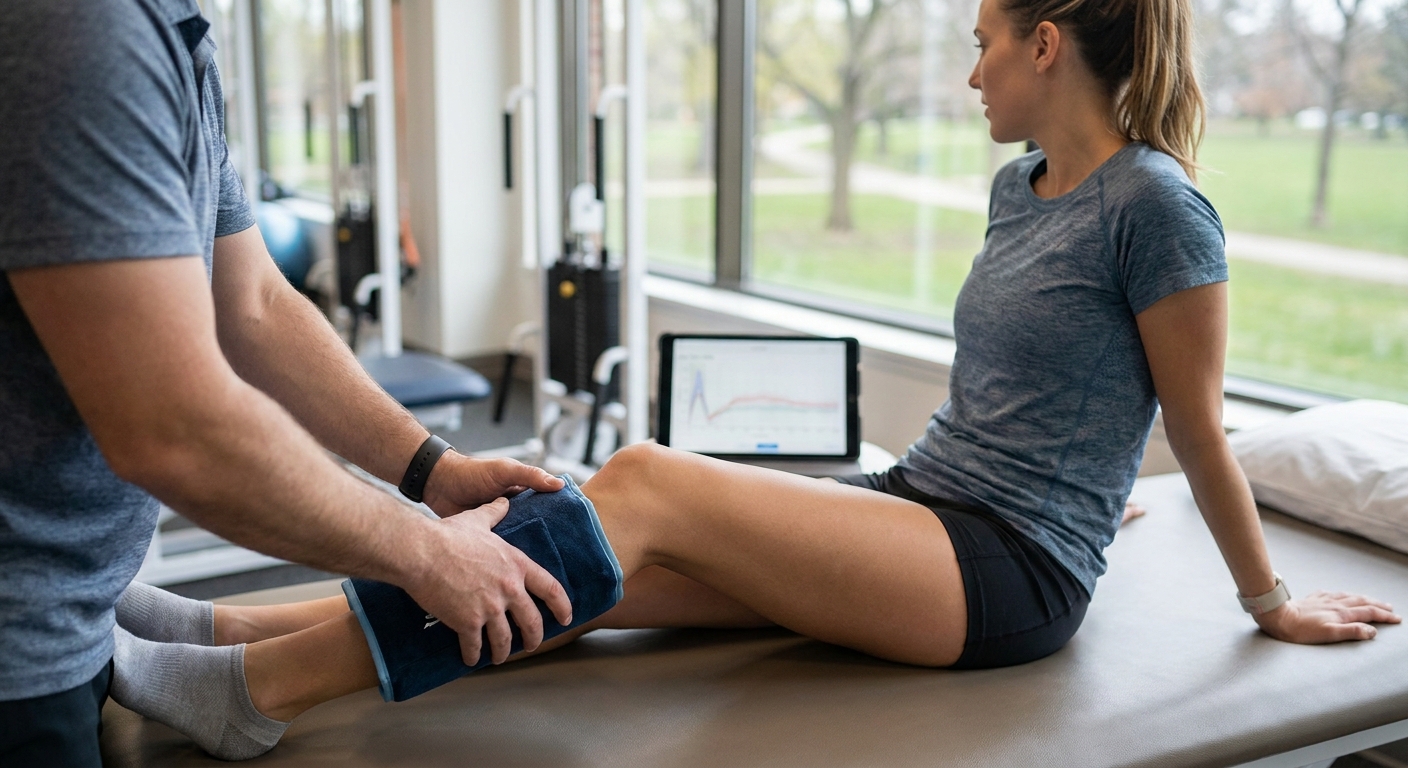
Runners who push through shin splints, sciatica, and hip pain for months eventually hit a wall where stretching and rest stop working — this guide breaks down which sports injury pain treatment for runners actually gets you back on the road in 2026.
TL;DR
- Epidural steroid injections are the top sports injury pain treatment for runners with sciatica-type leg pain — Buy.
- Radiofrequency ablation fits chronic facet-driven back pain in high-mileage runners; relief runs 6 to 12 months — Consider.
- Herniated disc treatment for active adults combines injections with a structured return-to-running plan — Buy.
- Skip surgery-first recommendations before trying image-guided injections and physical therapy in 2026.
Why this matters
Running injuries rarely resolve with more foam rolling. Chronic hip pain, sciatica-type leg pain, and stress-related low back pain in runners usually trace back to a disc, a facet joint, or an inflamed nerve root — not just tight hamstrings. A 2026 patient at Hudson Pain and Spine typically shows up after months of physical therapy that plateaued, looking for a diagnosis before another round of guesswork.
The starting point is almost always the same: image-guided care that targets the actual pain generator, covered in the hip pain treatment for runners and active adults guide, instead of another cycle of generic stretching. Pain management for athletes in 2026 has moved past blanket rest — it’s diagnosis first, procedure second.
Who this is for
This guide is for runners logging 15+ miles a week who’ve hit a wall: recreational marathoners with recurring sciatica, high school and college track athletes rehabbing a stress reaction, and masters runners managing disc degeneration that flares every marathon training block. If ice, rest, and a foam roller stopped working weeks ago, keep reading.
What to look for in sports injury pain treatment for runners
Diagnosis before injection
A runner’s hip pain and a runner’s low back pain can feel identical but come from completely different structures. Any pain management program worth trying starts with imaging and a physical exam that isolates the actual source — not a shot aimed at wherever it hurts.
Image-guided precision
Fluoroscopy or ultrasound guidance during injections means the medication lands at the exact disc level or nerve, not somewhere nearby. Blind injections without imaging guidance have lower accuracy and shorter-lived relief, which matters when you’re trying to get back to marathon training on a schedule.
A running-specific return protocol
Generic “take two weeks off” advice ignores load progression. A real return-to-running plan phases mileage back in over weeks, not days, and pairs it with strength work targeting the hip and core stabilizers that broke down in the first place.
Board certification and fellowship training
Interventional pain management is a subspecialty, not a general practice add-on. A physician who is double board-certified and fellowship-trained in pain medicine — like Dr. Saurabh Dang at Hudson Pain and Spine — has done supervised procedure volume that a general practitioner offering the same injection has not.
Multiple office locations for follow-up
Runners in Bergen, Passaic, and Middlesex counties need follow-up visits that don’t eat a training day. Offices in Englewood, Woodland Park, and Edison mean a runner training in North Jersey isn’t driving 45 minutes each way for a five-minute recheck.
Top picks for runners in 2026
The sciatica pick — epidural steroid injections
The fastest non-surgical way to calm a pinched nerve firing pain down the leg. Delivered under fluoroscopic guidance at the L4-L5 or L5-S1 level, the procedure itself takes under 30 minutes and relief typically holds for 3 to 6 months in patients who respond. Full criteria are in the best candidates for epidural steroid injections guide. Buy for runners with radiating leg pain confirmed on MRI as disc-related.
The high-mileage pick — radiofrequency ablation
The precision option for facet-driven back pain that flares every long run and settles between them. Heat disables the medial branch nerve feeding the irritated facet joint, and relief lasts 6 to 12 months per treated nerve in many patients — sometimes longer. Details on how the procedure works are in the radiofrequency ablation for chronic low back pain guide. Consider it only after a diagnostic medial branch block confirms the facet joint as the source.
The overuse pick — herniated disc treatment for active adults
Built for runners whose MRI shows a disc bulge but surgery feels premature. The program pairs epidural injections with a phased loading protocol, and most runners reach a return-to-running decision within 6 to 8 weeks. Read the full approach in herniated disc treatment for active adults and athletes. Buy for confirmed disc-related nerve pain; Skip if imaging shows no nerve involvement.
The hip and glute pick
Targets IT band and piriformis irritation that runners blame on “tight hips” for months before getting imaging. Ultrasound-guided injections into the peritrochanteric or piriformis region often bring meaningful relief within 1 to 2 weeks. Buy for confirmed hip-driven pain that hasn’t responded to stretching alone.
The conservative pick — physical therapy and gait retraining
The right starting point for grade 1 strains and early-stage pain, with no injections and no procedures — just loading and mechanics work over 4 to 6 weeks. Consider it first-line before any procedure; Skip it as a standalone strategy past 8 weeks with no improvement.
Talk to a pain specialist this week
Get a diagnosis before another round of rest and stretching.
What to avoid
- Cortisone shots without a diagnosis. Masking pain in a hip or a disc-related nerve without confirming the source just delays the real fix and wastes a training block.
- Surgery-first referrals before a conservative trial. Most runners with disc or facet pain never need surgery — injections and a phased return plan resolve the majority of cases seen in 2026 practice.
- Blind, non-image-guided injections. Without fluoroscopy or ultrasound, medication placement is a guess, and guesses cost runners weeks they don’t have before race day.
Verdict comparison
| Treatment | Best for | Relief timeline | Verdict |
|---|---|---|---|
| Epidural steroid injections | Sciatica, radiating leg pain | Onset 1-2 weeks, lasts 3-6 months | Buy |
| Radiofrequency ablation | Facet-driven chronic back pain | Onset 2-4 weeks, lasts 6-12 months | Consider |
| Herniated disc program | Disc-related nerve impingement | 6-8 week program | Buy |
| Hip/glute injections | IT band, piriformis, hip impingement | Onset 1-2 weeks | Buy |
| PT and gait retraining alone | Grade 1 strains, early pain | 4-6 weeks | Consider |
FAQ
What’s the best sports injury pain treatment for runners in 2026?
For confirmed disc-related sciatica, epidural steroid injections deliver the fastest relief, typically holding for 3 to 6 months. For facet-driven chronic back pain, radiofrequency ablation lasts longer but requires a diagnostic block first.
Is physical therapy enough for a runner’s herniated disc?
Physical therapy alone helps mild cases, but confirmed nerve impingement usually needs an epidural injection paired with a structured loading program. Herniated disc treatment for active adults typically runs 6 to 8 weeks before a return-to-running decision.
How long does radiofrequency ablation relief last for runners?
Radiofrequency ablation relief lasts 6 to 12 months per treated nerve in most patients, sometimes longer. It only works on facet-driven pain confirmed by a prior diagnostic medial branch block.
Can I keep running during pain management treatment?
Most runners reduce mileage rather than stop entirely, with a phased return plan reintroducing volume over weeks. The exact timeline depends on whether the pain is disc, facet, or hip-driven.
Is a pain management doctor or orthopedic surgeon right for a running injury?
A board-certified, fellowship-trained pain management physician is the right first call for disc, facet, and nerve-driven pain since most cases resolve without surgery. Orthopedic surgery becomes relevant only after conservative and injection-based care fails.
How do I know if my back pain is disc-related or muscular?
MRI plus a physical exam distinguishes disc-related nerve pain from muscular strain, and a diagnostic injection can confirm the exact pain generator when imaging is unclear. Muscular pain typically improves with rest in days; nerve-related pain often doesn’t.
When should a runner see a pain specialist instead of a physical therapist?
See a pain specialist when physical therapy plateaus after 4 to 6 weeks or when pain radiates down a leg or arm rather than staying localized. Radiating pain usually signals nerve involvement that PT alone won’t resolve.
Does insurance cover sports injury pain treatment for runners?
Coverage for epidural injections, radiofrequency ablation, and related procedures varies by plan, so confirming benefits with the office before scheduling avoids surprises. Most major NJ insurance plans cover medically necessary interventional pain procedures.
One last thing
An MRI showing a disc bulge doesn’t automatically mean that disc is causing the pain — a diagnostic block, not the scan itself, is what confirms the actual pain generator in runners over 35, since imaging findings and symptoms line up less often than most runners assume.
Related guides
About the Medical Reviewer
Dr. Saurabh Dang is a double board-certified interventional pain management specialist serving Central and Northern New Jersey. He combines clinical expertise with a patient-centered approach to help patients find lasting relief from chronic pain conditions.
Read Full Bio →Seeking Treatment for Epidural Injections?
Dr. Dang and the team at Hudson Pain and Spine offer specialized care and advanced interventional treatments.
Ready to Find Relief from Pain?
Schedule your consultation with Dr. Saurabh Dang at our Englewood office.
Serving patients across Central and Northern New Jersey — Bergen, Passaic, and Middlesex counties.