
Pudendal Neuralgia Treatment: What Works in 2026

Medically reviewed by
Dr. Saurabh Dang, MD, MBA
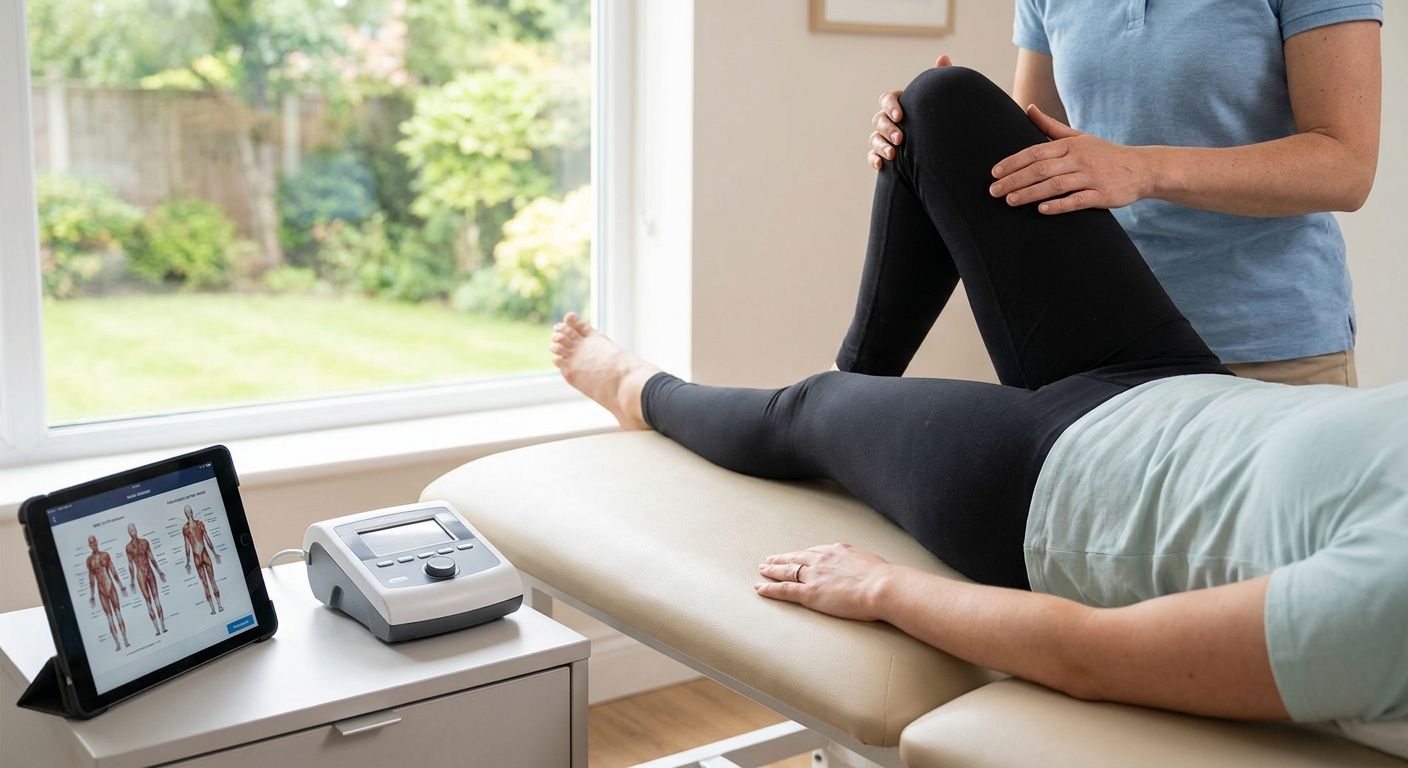
Pudendal neuralgia causes burning, stabbing, or aching pain in the perineum, genitals, or rectum that gets worse with sitting and often eases when you stand or lie down. Getting the diagnosis right and starting treatment in a specific order — not skipping straight to injections or surgery — is what determines whether patients get lasting relief.
TL;DR
- Pudendal neuralgia treatment starts with pelvic floor physical therapy and sitting modifications, not medication or surgery.
- Image-guided pudendal nerve blocks confirm the diagnosis and often provide relief lasting weeks to months.
- Pulsed radiofrequency ablation and peripheral nerve stimulation are next-line options when blocks wear off quickly.
- Surgical decompression is a last resort reserved for confirmed Alcock’s canal entrapment that fails conservative and interventional care.
Why this matters
Pudendal neuralgia gets misdiagnosed for months, sometimes years, because the symptoms overlap with prostatitis, endometriosis, interstitial cystitis, and coccyx injuries. Patients cycle through urologists, gynecologists, and gastroenterologists before anyone tests the pudendal nerve directly.
The nerve runs through Alcock’s canal near the ischial spine and controls sensation to the perineum, genitals, and rectum. Compression from childbirth trauma, pelvic surgery, prolonged cycling, or a fall can irritate it, and sitting compresses the same tissue that’s already inflamed — which is why the hallmark symptom is pain that worsens through the day and improves lying down. A structured pelvic pain treatment plan gets patients out of that loop faster than repeat specialist referrals.
What you’ll need
- A pelvic exam or transvaginal/transrectal exam that reproduces pain at the ischial spine (Tinel’s sign)
- Imaging (MRI or MR neurography) to rule out a mass, cyst, or herniated disc pressing on the nerve
- A cushion designed to offload the perineum (donut cushions often make it worse — a U-shaped or wedge cushion is better)
- Access to a pelvic floor physical therapist trained in internal manual release techniques
- An interventional pain specialist who performs image-guided pudendal nerve blocks
The steps
1. Confirm the diagnosis with a targeted exam
Pudendal neuralgia is diagnosed clinically using the Nantes criteria: pain in the nerve’s territory, worse with sitting, no sensory loss in that area, and relief when the nerve is anesthetized. A specialist reproduces the pain by palpating the ischial spine internally.
Skipping this step is the most common mistake — patients get treated for a herniated disc or prostatitis for months before anyone examines the pudendal nerve directly. Expect this exam alongside imaging to rule out disc or tumor compression before any procedure.
2. Adjust sitting and daily mechanics immediately
Swap any donut-style cushion for a U-shaped or wedge cushion that removes pressure from the perineum entirely rather than redistributing it. Stand or lie down for stretches of the day instead of sitting through them, and stop cycling or any activity that loads the ischial spine directly.
This step alone reduces flare frequency for many patients within 2 to 4 weeks and costs nothing beyond the cushion. It won’t resolve nerve irritation on its own, but it stops daily re-aggravation while other treatments take effect.
3. Start pelvic floor physical therapy
A pelvic floor therapist trained in internal release techniques works to relax the muscles surrounding the pudendal nerve, since chronic guarding around the nerve often compounds the compression. Sessions typically run weekly for 6 to 8 weeks before reassessment.
Patients who skip physical therapy and go straight to injections tend to see relief fade faster, because the muscular tension that’s compressing the nerve never gets addressed. This is the step most commonly skipped, and it’s the one with the best long-term payoff.
4. Trial neuropathic medication if pain persists
Gabapentin, pregabalin, or a tricyclic antidepressant like amitriptyline target nerve pain signaling rather than inflammation, and they’re typically added when conservative measures alone haven’t brought pain under control after 4 to 6 weeks. Dosing starts low and titrates up over several weeks to limit sedation and dizziness.
These medications treat the nerve pain signal, not the underlying compression, so expect them to reduce pain intensity rather than eliminate it. Most patients use them alongside physical therapy, not instead of it.
5. Get an image-guided pudendal nerve block
A CT- or ultrasound-guided injection of local anesthetic and steroid at the ischial spine or Alcock’s canal both confirms the diagnosis (pain relief immediately post-injection supports the pudendal source) and often provides weeks to months of relief. Dr. Saurabh Dang at Hudson Pain and Spine performs these blocks at the Englewood, Woodland Park, and Edison offices under imaging guidance for precise needle placement.
Relief that lasts less than a few weeks after a technically successful block usually points toward a next-line procedure rather than repeating the same injection indefinitely. Patients should know what to expect after a nerve block procedure before scheduling one, including short-term numbness and activity restrictions for 24 hours.
6. Move to pulsed radiofrequency or nerve stimulation if blocks wear off
When a diagnostic block gives clear but short-lived relief, pulsed radiofrequency ablation targets the same nerve with electrical pulses that modulate pain signaling without the heat-based destruction used for larger nerves elsewhere in the spine. For patients who don’t respond durably to that, peripheral nerve stimulation places a small lead near the nerve to interrupt pain signals continuously.
Both options sit between injections and surgery, and both are reversible if they don’t help. Patients considering spinal cord stimulation for other chronic pain conditions will recognize the same trial-before-permanent-implant logic here.
7. Track response over 8 to 12 weeks before escalating
Pudendal neuralgia treatment works incrementally — expect meaningful change measured in weeks, not days. Keep a simple pain diary noting sitting tolerance, flare triggers, and medication side effects so your specialist can see the trend across the 2026 treatment window rather than judging one appointment in isolation.
Patients who stop tracking often can’t tell their doctor whether a treatment is working, which delays the decision to escalate or step back. A written log makes that call in minutes instead of guesswork.
8. Consider surgical decompression only after conservative and interventional options fail
Surgical release of the pudendal nerve at Alcock’s canal is reserved for confirmed anatomic entrapment that hasn’t responded to physical therapy, blocks, and radiofrequency treatment over several months. It’s an option, not a default, and it carries its own recovery timeline that most patients want to avoid if a nerve block or stimulator gets them functional first.
Get a pudendal neuralgia evaluation
Board-certified interventional pain care in Englewood, Woodland Park, and Edison, NJ.
Troubleshooting
- Pain returns within days of a nerve block. Short-lived relief after a technically correct block suggests moving to pulsed radiofrequency ablation rather than repeating the injection.
- Sitting still triggers pain despite a new cushion. Check the cushion shape — donut cushions increase pressure at the perineum edges. A U-shaped cushion with a full center cutout works better.
- Medication causes daytime drowsiness. Ask about dosing the medication at night instead of splitting it through the day, or switching from gabapentin to pregabalin, which some patients tolerate better.
- Diagnosis feels uncertain after multiple specialists. Ask specifically for a pudendal nerve block as a diagnostic tool — relief during the procedure is strong evidence the nerve is the source, even before starting long-term treatment.
- Symptoms overlap with chronic testicular or vulvar pain. These conditions share pathways with the pudendal nerve and sometimes get diagnosed together; see the guides on chronic pelvic pain in men and vulvodynia if symptoms don’t fully match the pudendal pattern.
Tools and resources
- A wedge or U-shaped cushion for daily sitting
- A pelvic floor physical therapist with internal manual therapy training
- Imaging (MRI or MR neurography) ordered before any procedure
- An interventional pain specialist who performs image-guided pudendal nerve blocks and pulsed radiofrequency ablation
- A pain diary tracking sitting tolerance and flare frequency week to week
FAQ
What is the best pudendal neuralgia treatment?
The best pudendal neuralgia treatment combines pelvic floor physical therapy, sitting modifications, and an image-guided pudendal nerve block if conservative care isn’t enough by 4 to 6 weeks. Pulsed radiofrequency ablation and peripheral nerve stimulation follow when block relief is short-lived.
Is pudendal neuralgia curable?
Many patients reach lasting remission with physical therapy and nerve blocks, though some cases require ongoing management like a chronic nerve condition. Surgical decompression resolves confirmed anatomic entrapment in appropriate candidates.
How long does relief from a pudendal nerve block last?
Relief ranges from a few weeks to several months depending on the degree of nerve irritation and whether physical therapy is addressing the underlying muscle tension. Short-lived relief after a technically successful block usually signals a need for pulsed radiofrequency ablation.
Does cycling cause pudendal neuralgia?
Prolonged cycling on a narrow saddle is a documented risk factor because it compresses the pudendal nerve at the same site implicated in Alcock’s canal entrapment. Cyclists with new perineal burning or numbness should stop riding and get evaluated before symptoms become chronic.
Is pudendal neuralgia the same as sciatica?
No. Sciatica involves the sciatic nerve and causes pain down the back of the leg, while pudendal neuralgia affects the perineum, genitals, and rectum and worsens specifically with sitting. The two can be confused because both cause pain in the pelvic and hip region.
Can physical therapy alone treat pudendal neuralgia?
Physical therapy resolves mild to moderate cases for many patients, particularly when muscular guarding is a major contributor to the compression. More severe or longstanding cases usually need a nerve block or radiofrequency treatment alongside therapy.
When should pudendal neuralgia require surgery?
Surgery is considered only after physical therapy, nerve blocks, and radiofrequency ablation fail to provide lasting relief over several months and imaging confirms anatomic nerve entrapment. It is a last-resort option, not a first-line treatment.
Who treats pudendal neuralgia in New Jersey?
An interventional pain specialist who performs image-guided nerve blocks and works alongside pelvic floor physical therapists is the right referral, rather than a general urologist or gynecologist alone. Dr. Saurabh Dang treats pudendal neuralgia at Hudson Pain and Spine’s Englewood, Woodland Park, and Edison, NJ offices.
One last thing
The detail patients miss most often: a donut cushion, the thing everyone reaches for first, tends to make pudendal neuralgia worse because it still presses on the perineum at the cutout’s edges. Switching to a full wedge or U-shaped design that removes pressure entirely from that area is a five-minute fix that often changes daily comfort before any procedure is even scheduled.
Related guides
- Pelvic pain treatment for women with chronic conditions
- How to treat chronic pelvic pain in men
- How to treat vulvodynia pain
- What to expect after a nerve block procedure
- How peripheral nerve stimulation treats chronic nerve pain
About the Medical Reviewer
Dr. Saurabh Dang is a double board-certified interventional pain management specialist serving Central and Northern New Jersey. He combines clinical expertise with a patient-centered approach to help patients find lasting relief from chronic pain conditions.
Read Full Bio →Seeking Treatment for Nerve Block Injections?
Dr. Dang and the team at Hudson Pain and Spine offer specialized care and advanced interventional treatments.
Ready to Find Relief from Pain?
Schedule your consultation with Dr. Saurabh Dang at our Englewood office.
Serving patients across Central and Northern New Jersey — Bergen, Passaic, and Middlesex counties.