
Small Fiber Neuropathy Treatment: What Works in 2026

Medically reviewed by
Dr. Saurabh Dang, MD, MBA
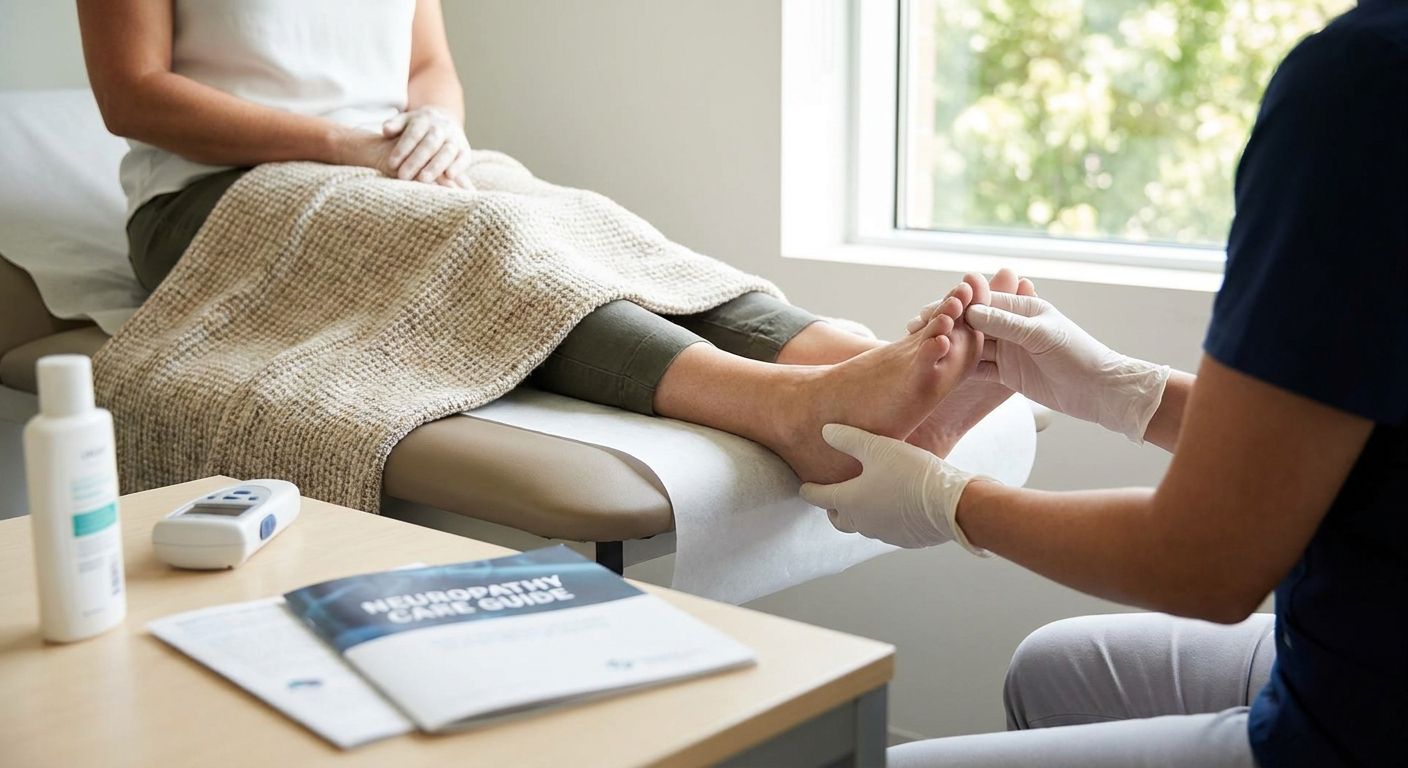
Burning, tingling, or stabbing pain in your feet and hands that doesn’t show up on a standard nerve conduction study is often small fiber neuropathy — and treating it takes a different plan than treating pain from a pinched nerve or a herniated disc. This guide walks through diagnosis, first-line medication, and when to move to interventional pain management.
TL;DR
- Small fiber neuropathy treatment in 2026 starts with a skin punch biopsy, since standard nerve conduction tests miss it.
- Gabapentinoids, SNRIs, and topical agents are first-line; most patients try these before anything invasive.
- Diabetes is the most common identifiable cause, so treating blood sugar control matters as much as treating symptoms.
- Peripheral nerve stimulation is a real next step at Hudson Pain and Spine when oral medication stalls.
- Idiopathic cases still respond to interventional pain management even without a clear underlying cause.
Why this matters
Small fiber neuropathy damages the thin nerve fibers that carry pain and temperature signals, and it doesn’t always show up on the electromyography (EMG) or nerve conduction study your primary care doctor orders first. Patients frequently spend a year or more bouncing between specialists before someone confirms the diagnosis with a skin punch biopsy.
The stakes are practical, not abstract. Untreated small fiber neuropathy tends to progress, and the burning or electric-shock sensations that start in the toes can spread up the legs and into the hands. Diabetes is the single most common identifiable cause, which is why managing diabetic neuropathy alongside nerve pain treatment changes the trajectory of the disease, not just the discomfort. Autoimmune conditions, certain chemotherapy drugs, alcohol use, and vitamin B12 deficiency are other identifiable triggers — but in roughly a third to half of cases seen in clinical practice, no clear cause is found, and the condition is labeled idiopathic.
That uncertainty is exactly why a structured treatment plan matters more than chasing a single pill. Interventional pain management gives you options beyond medication when the standard drugs plateau or cause side effects you can’t tolerate.
What you’ll need
- A referral to a neurologist or pain specialist for a skin punch biopsy (the gold-standard diagnostic test for small fiber neuropathy)
- Recent bloodwork: fasting glucose or A1c, B12, thyroid panel, and autoimmune markers if your doctor suspects a systemic cause
- A symptom log — location, timing, and triggers of burning, tingling, or numbness over 2 to 4 weeks
- A current medication list, including anything already tried for nerve pain
- Comfortable footwear if numbness affects balance or foot sensation
- Patience for a multi-step process — small fiber neuropathy treatment rarely resolves with one prescription
The steps
1. Confirm the diagnosis with a skin biopsy
A standard EMG or nerve conduction study tests large nerve fibers and frequently comes back normal in small fiber neuropathy, which leads to years of missed diagnoses. A 3mm skin punch biopsy, usually taken from the ankle and sometimes the thigh, counts the density of small nerve fibers under a microscope and is the test that actually confirms the condition.
Expected outcome: a clear yes-or-no answer on nerve fiber density, usually within 2 to 3 weeks of biopsy submission.
Common mistake: accepting a normal EMG as proof there’s no nerve damage. It only rules out large fiber disease.
2. Identify and treat the underlying cause
Once small fiber neuropathy is confirmed, bloodwork narrows down whether diabetes, prediabetes, a B12 deficiency, or an autoimmune condition is driving it. Correcting blood sugar control in prediabetic and diabetic patients has been shown to slow further nerve fiber loss, and B12 repletion can partially reverse deficiency-related neuropathy.
Why it matters: treating symptoms without addressing the cause means the nerve damage keeps advancing even as the pain feels manageable.
Common mistake: stopping the workup after one round of bloodwork comes back normal. Autoimmune and paraneoplastic causes sometimes require repeat testing or specialist referral.
3. Start first-line oral medications
Gabapentin, pregabalin, duloxetine, and certain tricyclic antidepressants are the standard first-line drugs for burning, electric, or stabbing nerve pain. Dosing is individualized and titrated slowly to limit drowsiness and dizziness, and it typically takes 4 to 6 weeks at an adequate dose to judge whether a medication is working. Patients who want to avoid opioids entirely from the start should ask about the full range of non-opioid options for chronic pain management before starting any prescription.
Expected outcome: a measurable drop in daily pain scores, not necessarily complete resolution.
Common mistake: quitting a medication after one week because of side effects, before the dose has been adjusted.
4. Add topical or compounded therapies for localized burning
When pain is concentrated in a specific area — the soles of the feet, for example — topical lidocaine patches or compounded creams combining agents like ketamine, amitriptyline, or gabapentin can reduce burning with fewer systemic side effects than oral pills.
Why it matters: localized treatment avoids the drowsiness and cognitive fog that come with escalating oral doses.
Common mistake: applying topical treatment over broken skin or open sores, which increases absorption and side-effect risk.
5. Move to interventional options when oral medication plateaus
When first-line medications control less than half of your pain, or side effects limit how high the dose can go, interventional pain management becomes the next logical step. Peripheral nerve stimulation delivers targeted electrical impulses to disrupt pain signals at the nerve itself, and it’s an option worth discussing when peripheral nerve stimulation for chronic nerve pain has been reviewed with a specialist.
Expected outcome: a trial period to test whether stimulation reduces pain before committing to a permanent implant.
Common mistake: waiting years on escalating medication doses instead of asking about interventional pain management once oral drugs stop moving the needle.
6. Layer in non-drug strategies for daily symptom control
Low-impact exercise, structured physical therapy, and TENS units at home give patients tools to manage flare-ups between medical visits. None of these replace medical treatment, but they reduce reliance on medication for day-to-day symptom spikes.
Common mistake: treating these as optional extras instead of part of the daily plan — consistency matters more than intensity here.
7. Track symptoms and reassess on a schedule
Small fiber neuropathy treatment isn’t a one-time fix. Symptoms should be reassessed every 6 to 12 weeks during active treatment adjustments, and every 6 months once a stable plan is in place.
Expected outcome: a treatment plan that adapts as the underlying cause is controlled or as new symptoms emerge.
Talk to a pain specialist about nerve pain
Board-certified, fellowship-trained care across Bergen, Passaic, and Middlesex counties.
Troubleshooting
- Pain is worse at night. Nighttime flares are common in small fiber neuropathy; ask about dosing timing changes or a longer-acting formulation rather than assuming the medication has failed.
- Numbness keeps spreading despite treatment. This usually means the underlying cause — diabetes, autoimmune activity, or a deficiency — still needs better control, not just a medication switch.
- Gabapentin or pregabalin causes too much drowsiness. A slower titration schedule or a switch to duloxetine sometimes resolves this without giving up on the drug class entirely.
- Insurance denies a requested medication or procedure. Prior authorization appeals are routine in pain management; ask the clinic’s billing team about the appeals process before assuming the option is off the table.
- No clear cause is ever found. Idiopathic small fiber neuropathy still responds to the same treatment ladder — diagnosis without a cause doesn’t mean treatment without options.
- Symptoms plateau despite following every step. This is the signal to revisit interventional pain management rather than cycling through more oral medications.
Tools and resources
- Skin punch biopsy referral through a neurologist or pain specialist
- A symptom and medication log, kept for at least 2 to 4 weeks before each follow-up
- A current bloodwork panel: A1c, B12, thyroid, and autoimmune markers
- A TENS unit for at-home symptom management between visits
- A pain management team experienced in both medication management and interventional pain management, so escalation doesn’t require starting over with a new provider
What to do next
If first-line medication hasn’t controlled your symptoms after 6 weeks at an adequate dose, or if side effects are limiting how far you can push oral treatment, the next move is a conversation about interventional options rather than another medication switch. Choosing an interventional pain specialist in New Jersey walks through what credentials and experience actually matter before you commit to a provider.
FAQ
What is the best small fiber neuropathy treatment?
There is no single best treatment — most patients start with gabapentin, pregabalin, or duloxetine, and move to topical agents or interventional pain management if those don’t control symptoms. Treating the underlying cause, such as diabetes, runs alongside medication.
How is small fiber neuropathy diagnosed?
A skin punch biopsy that measures nerve fiber density is the gold-standard test, since standard EMG and nerve conduction studies typically miss small fiber damage. Bloodwork for diabetes, B12 deficiency, and autoimmune markers usually follows to look for a cause.
Can small fiber neuropathy be reversed?
Nerve fiber loss from causes like B12 deficiency can partially reverse with correction, and diabetic neuropathy progression slows with better blood sugar control. Idiopathic cases are usually managed rather than reversed, but symptoms often improve significantly with the right treatment plan.
Is small fiber neuropathy the same as diabetic neuropathy?
No — diabetic neuropathy is one specific cause of small fiber neuropathy, but small fiber neuropathy also occurs from autoimmune disease, chemotherapy, alcohol use, or with no identifiable cause at all. The treatment overlaps significantly regardless of cause.
What medications treat small fiber neuropathy nerve pain?
Gabapentin, pregabalin, duloxetine, and certain tricyclic antidepressants are first-line options in 2026. Topical lidocaine or compounded creams add localized relief for patients who don’t want to increase oral doses further.
When should I see a pain specialist for small fiber neuropathy?
See a specialist once a neurologist or primary care doctor confirms the diagnosis, especially if first-line medications aren’t controlling pain after 6 weeks at an adequate dose. A pain specialist adds interventional options like peripheral nerve stimulation that a general neurologist typically doesn’t offer.
Does insurance cover small fiber neuropathy treatment?
Most insurance plans cover the diagnostic workup, medication, and interventional procedures once medical necessity is documented, though prior authorization is common for advanced treatments. Coverage details vary by plan, so confirming specifics with the clinic’s billing team before a procedure avoids surprises.
Is small fiber neuropathy a progressive disease?
It can progress if the underlying cause goes untreated, with numbness and burning spreading from the feet upward over time. Controlling the cause and starting treatment early gives the best chance of slowing that progression.
One last thing
The detail most patients miss: a normal nerve conduction study does not rule out small fiber neuropathy. That single test only checks large nerve fibers, so if your symptoms match — burning, tingling, or stabbing pain, especially in the feet, with a normal EMG — push for a skin punch biopsy before accepting that nothing is wrong. Hudson Pain and Spine sees this pattern often enough in 2026 that it’s worth naming directly: an incomplete workup is the most common reason small fiber neuropathy treatment gets delayed by a year or more.
Related guides
About the Medical Reviewer
Dr. Saurabh Dang is a double board-certified interventional pain management specialist serving Central and Northern New Jersey. He combines clinical expertise with a patient-centered approach to help patients find lasting relief from chronic pain conditions.
Read Full Bio →Seeking Treatment for Chronic Pain?
Dr. Dang and the team at Hudson Pain and Spine offer specialized care and advanced interventional treatments.
Ready to Find Relief from Pain?
Schedule your consultation with Dr. Saurabh Dang at our Englewood office.
Serving patients across Central and Northern New Jersey — Bergen, Passaic, and Middlesex counties.