
Pain management for dog groomers: complete 2026 guide

Medically reviewed by
Dr. Saurabh Dang, MD, MBA
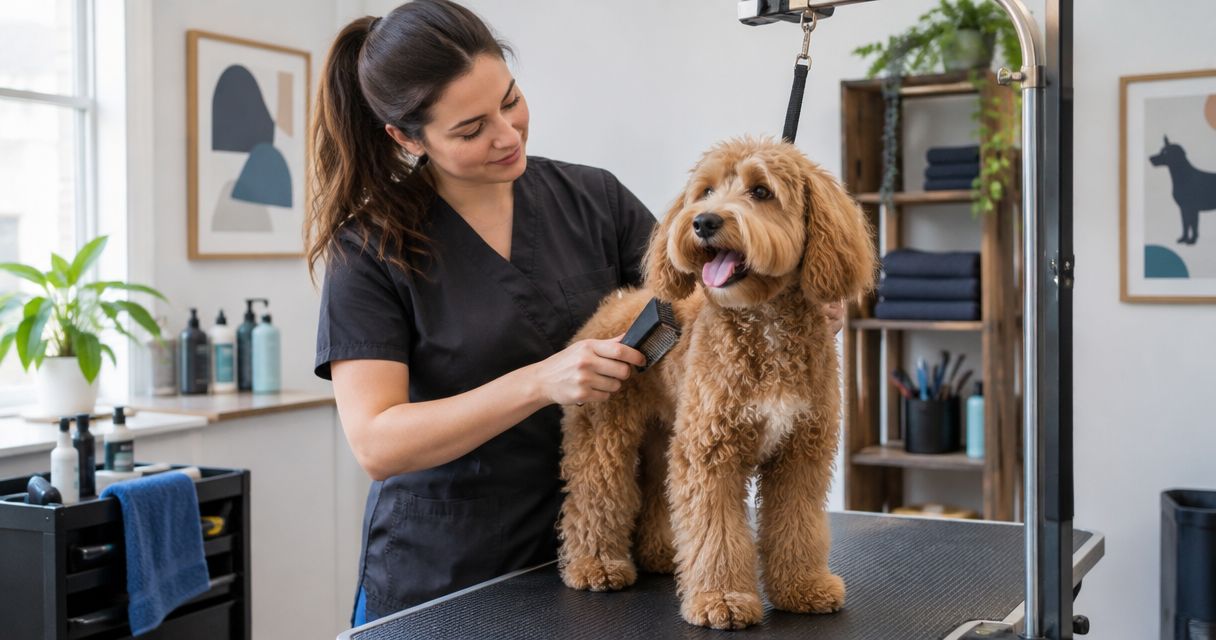
Dog groomers’ pain management is care for work-related back, neck, shoulder, and hand symptoms aimed at protecting function and supporting safe work. Effective pain management for dog groomers addresses repeated gripping, awkward reaches, prolonged standing, and unpredictable animal movement—not just pain after the shift.
TL;DR
- Pain management for dog groomers starts with safer handling, workstation changes, and assessment of persistent symptoms.
- Hudson Pain and Spine provides interventional pain management for patients whose symptoms need specialist evaluation.
- Hand tingling, dropping tools, and pain traveling down a limb deserve assessment rather than repeated stretching.
- Injections treat selected conditions; they do not replace rehabilitation or changes to grooming tasks.
Why pain management matters for dog groomers
Grooming combines precision hand work with whole-body loading. You might brush a dense coat, support an animal’s leg, lean over a tub, and then lift equipment without much change in pace. Each task asks something different of your muscles, tendons, joints, and nerves.
The best starting point is to identify the task that triggers symptoms, not to choose a procedure. A sore forearm after brushing and finger numbness during clipping require different assessments, even when both occur during the same appointment.
For your 2026 work plan, prioritize reliable grip, comfortable movement, and safe animal handling over simply finishing a shift with less pain. Hudson Pain and Spine provides board-certified interventional pain management in Englewood, Woodland Park, and Edison, New Jersey.
Build a practical grooming pain-management plan
Identify your symptoms and their triggers
Start with a written symptom log. Record where symptoms begin, whether they travel, and which grooming task brings them on. Include symptoms outside work: waking with numb fingers is different from temporary muscle fatigue after a demanding appointment.
Use a 0–10 pain scale consistently, but do not let the score replace a description of function. Dropping scissors or losing confidence while supporting a dog matters even when the pain score is low. If symptoms are mild and no warning signs are present, a 7-day log can organize information for an appointment; do not delay care to finish it.
Best for: identifying patterns before a clinical visit. The limitation is that a log cannot diagnose tendon injury, nerve compression, or a spinal condition.
- Mark the painful area and any spreading symptoms.
- Name the triggering task, such as brushing or tub transfers.
- Record numbness, weakness, swelling, or disrupted sleep.
- Note what changes when you stop or modify the task.
Change your working position before buying equipment
First, adjust what you already control. Move closer to the animal, reposition supplies, and change your stance rather than repeatedly reaching across the table. Set an adjustable surface so you can work without sustained shoulder elevation or bending through your back.
Keep animal safety central. Repositioning a dog requires appropriate handling, and a restless animal is not a reason to hold an awkward position until the task ends. Ask for assistance when safe handling exceeds what you can manage comfortably.
Best for: symptoms linked to a particular reach or posture. Workstation changes reduce avoidable loading, but they do not establish why persistent pain is occurring.
- Bring frequently used tools within comfortable reach.
- Move around the table instead of twisting through your trunk.
- Adjust working height for the task and animal.
- Keep floors clear and address slippery surfaces.
- Arrange help or a suitable ramp for difficult transfers.
Get persistent pain and nerve symptoms assessed
Start with primary care or an appropriate musculoskeletal clinician when symptoms recur, disturb sleep, or interfere with safe grooming. An examination helps distinguish local tendon or joint pain from symptoms involving a nerve or the spine. Imaging and nerve tests are selected according to findings, not ordered automatically for every ache.
Hudson Pain and Spine is best suited to dog groomers who need specialist evaluation for persistent back, neck, or nerve-related pain. Its pain management services include epidural injections, nerve blocks, and spinal cord stimulation. These treatments require a diagnosis and individual assessment; ordinary post-shift soreness is not an indication for a spinal procedure.
For a 2026 consultation, describe the work you need to return to—not just your job title. Supporting a moving dog places different demands on you than answering calls or cleaning tools.
- Bring your symptom log and current medication list.
- Describe lost grip, altered sensation, or reduced walking tolerance.
- List previous treatment and what changed afterward.
- Explain the lifting, standing, and precision work your shift requires.
Build a rehabilitation plan around grooming tasks
Begin by modifying activities that clearly aggravate symptoms while keeping comfortable movement in your day. Complete rest is not a universal solution for musculoskeletal pain. A physical or occupational therapist can select exercises and work adaptations based on the examination and your actual duties.
Hand therapy can address grip and wrist function; physical therapy can address movement, strength, and tolerance for standing or lifting. Neither approach should become a generic exercise sheet that ignores the salon. Best for: rebuilding capacity when movement and loading contribute to symptoms. The limitation is that exercises need adjustment when symptoms worsen or neurological findings develop.
Use this sequence when reviewing your 2026 rehabilitation plan: Identify triggers, Adjust tasks, Build capacity, and Review function. Progress should show up in daily activity, not only during an exercise session.
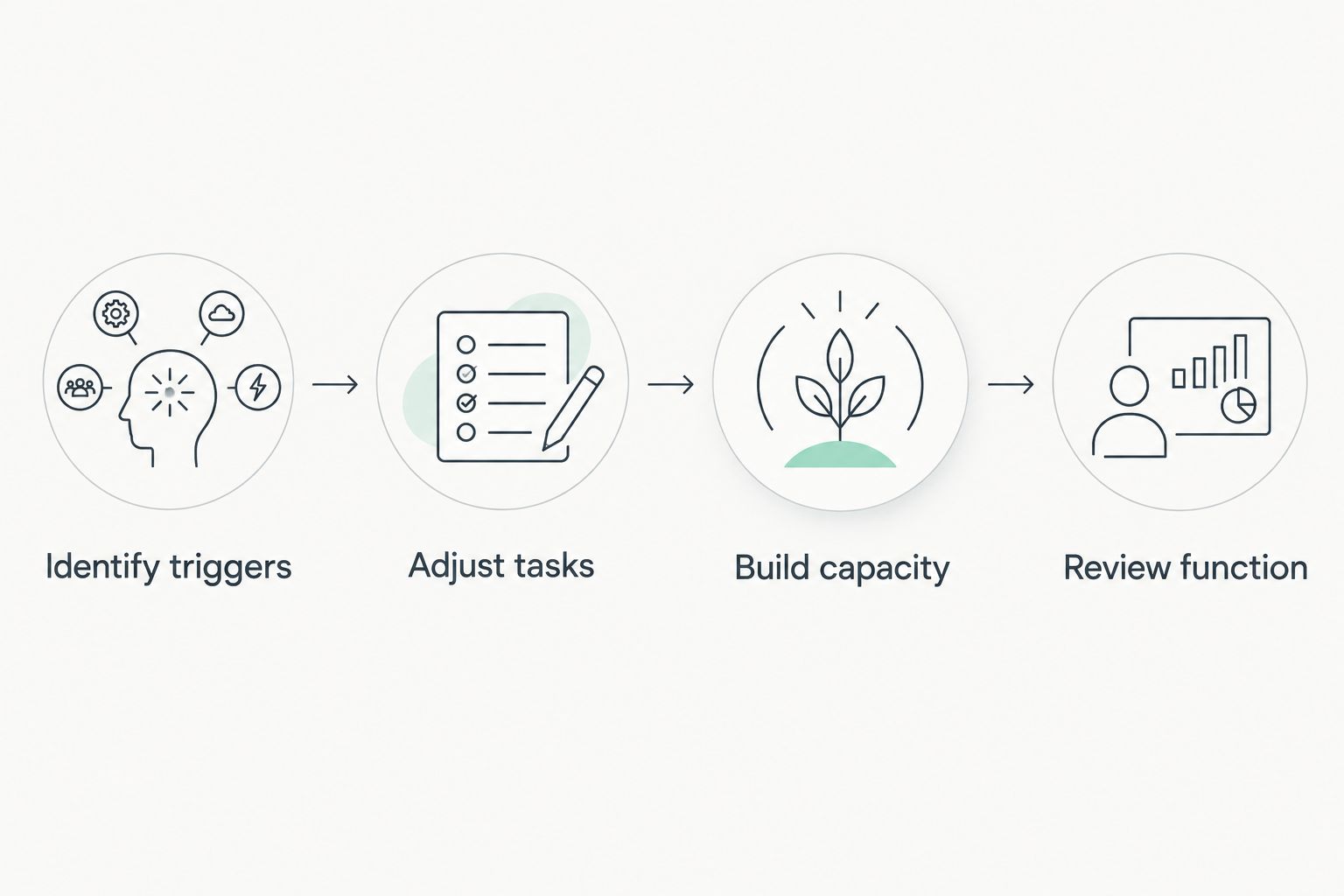
Rehabilitation should connect symptom triggers to the tasks you need to perform safely.
- Ask for exercises matched to your assessed condition.
- Practice lifting and reaching patterns relevant to grooming.
- Break up repeated gripping with different tasks when practical.
- Report spreading pain, increasing numbness, or new weakness.
- Measure progress using a specific work activity.
Discuss medication and procedures by diagnosis
Ask a clinician or pharmacist about medication suitability rather than choosing by the strongest advertised relief. Anti-inflammatory medicines are not appropriate for everyone, particularly with certain kidney, stomach, cardiovascular, or medication-related risks. Sedating medicines also require caution when you drive, use sharp tools, or handle animals.
Procedures have narrower purposes. An epidural steroid injection can be considered for selected spinal nerve-root pain; a targeted nerve block can serve diagnostic or therapeutic purposes. Neither treatment corrects repeated heavy lifting or proves that every symptom comes from the injected area.
Hudson Pain and Spine provides interventional pain management, but the right procedure depends on the pain source and your treatment history. Ask what improvement would count as success and what happens if treatment does not help. Benefits vary, and injections carry risks such as bleeding, infection, medication reactions, and nerve injury.
- Review medical conditions, allergies, and all medicines.
- Ask which diagnosis the proposed treatment addresses.
- Discuss expected benefits alongside risks and alternatives.
- Request written instructions for activity and driving.
- Agree on a follow-up plan before treatment.
Plan safe work changes and reassess function
Start with a written list of tasks you can perform safely and tasks that need modification. For example, separate grooming small, calm animals from lifting a large dog into a tub. Your clinician needs that detail to make restrictions meaningful.
Choose 3 task goals for your 2026 review, such as brushing without increasing tingling, standing through a suitable appointment, and completing a transfer with assistance. These are tracking targets, not a deadline or guarantee of recovery. If treatment reduces pain but your grip remains unreliable, animal handling still needs modification.
When weighing chiropractic care for pet groomers, separate manual treatment for selected musculoskeletal symptoms from assessment of weakness or sensory loss. Manual care does not replace neurological evaluation, and temporary symptom relief does not establish that heavy handling is safe.
Best for: translating treatment into a workable shift. Modified duties still need review; simply working fewer hours does not remove a hazardous lift or repeated painful movement.
- Write down temporary limits on lifting and sustained gripping.
- Arrange assistance before booking demanding appointments.
- Follow procedure-specific restrictions instead of a generic timeline.
- Review symptoms during work and after the shift.
- Update the plan when function improves or deteriorates.
Compare pain-management options for dog groomers
Choose an option according to the problem it addresses. These approaches often work together; they are not competing cures. A workstation adjustment changes exposure, rehabilitation builds capacity, and medical treatment addresses an assessed condition.
For your 2026 treatment discussion, ask what each option adds and what it leaves unresolved. Do not interpret a recommendation for specialist assessment as a recommendation for an injection.
| Option | Best for | Main benefit | Key limitation |
|---|---|---|---|
| Workstation and handling changes | Symptoms triggered by awkward tasks | Reduces avoidable reaching, gripping, and lifting demands | Does not diagnose persistent pain or nerve symptoms |
| Physical or occupational therapy | Reduced movement, strength, or work tolerance | Connects rehabilitation to grooming duties | Requires participation and adjustment to your response |
| Clinician-guided medication | Selected short-term or ongoing symptom control | Supports comfort when medically appropriate | Side effects and interactions can affect suitability and work safety |
| Specialist pain evaluation | Persistent back, neck, or nerve-related symptoms | Assesses whether targeted treatment fits the diagnosis | Not every condition benefits from a procedure |
| Targeted injections | Selected, diagnosed pain sources | Can provide symptom relief or diagnostic information | Results vary; procedural risks and activity restrictions apply |
Common mistakes dog groomers make
Treating every hand symptom as overuse
Thumb-side wrist pain, finger tingling, and a painful finger joint are not interchangeable. Repeatedly stretching every symptom can delay the appropriate assessment. Describe the exact location and sensation, including which fingers are affected and whether grip is changing.
Using relief to justify the same difficult lift
Feeling better after medication, manual care, or an injection does not demonstrate that a difficult transfer is safe. Keep handling modifications in place until you have reviewed function and any clinical restrictions. Arrange assistance rather than testing your recovery against a moving animal.
Buying tools before checking the task
A different handle or lighter tool does not resolve every wrist or shoulder problem. First identify whether the main issue is grip force, wrist position, reach, or uninterrupted repetition. Then assess equipment against that specific problem instead of buying several items at once.
Stretching through numbness or radiating pain
A stretch should not become a test of how much tingling you can tolerate. Stop an exercise that causes new or worsening neurological symptoms and contact your treating clinician. Progressive weakness needs prompt assessment, not a more forceful stretching routine.
Booking demanding work immediately after a procedure
Driving clearance, lifting clearance, and return to precision grooming are separate questions. Ask about each before treatment and arrange coverage when restrictions affect your appointments. Do not assume that being discharged from the clinic means you can safely resume a full grooming schedule.
Know when pain needs urgent care
Seek emergency evaluation for new bladder or bowel dysfunction, numbness around the groin or saddle area, or rapidly progressing limb weakness with back pain. These symptoms can indicate a serious neurological problem. Do not wait for a routine pain appointment.
Get prompt medical assessment for fever with severe back pain, significant trauma, or a hot, swollen joint. A bite or puncture followed by increasing redness, swelling, or fever needs assessment for infection rather than treatment as routine strain.
Persistent numbness, dropping tools, or worsening weakness also warrants timely evaluation. Stop tasks that put you or the animal at risk while you arrange care.
FAQ
What is the best pain management for dog groomers?
The best approach combines task changes with treatment matched to the cause of pain. Start by identifying triggers, adjusting handling and workstation demands, and getting persistent or neurological symptoms assessed.
Why do my hands go numb when I groom dogs?
Hand numbness can result from nerve compression at the wrist, elbow, or neck, among other causes. An examination helps identify the source; the affected fingers, timing, and any weakness provide important clues.
Should I stop grooming if my back hurts?
Stop tasks you cannot perform safely and seek assessment when pain persists, worsens, or travels down a limb. Comfortable activity and modified duties are often different from continuing heavy lifting or taking complete bed rest.
Can an epidural injection help a dog groomer with sciatica?
An epidural steroid injection can help selected patients with spinal nerve-root pain, including some causes of sciatica. A specialist must assess the diagnosis, prior treatment, risks, and expected benefit before recommending it.
Is physical therapy better than an injection for grooming pain?
Physical therapy and injections address different needs, so neither is universally better. Rehabilitation builds movement and work tolerance, while an injection targets a selected pain source; some patients need both.
Can I work after a nerve block or spinal injection?
Your return to grooming depends on the procedure, sedation, symptoms, and discharge instructions. Ask specifically about driving, sharp tools, lifting, and animal handling before scheduling your next shift.
When should a dog groomer see a pain specialist?
See a pain specialist when persistent back, neck, or nerve-related pain limits function or has not improved with appropriate initial care. New or progressive weakness and emergency warning signs require urgent assessment rather than waiting for a routine appointment.
One last thing
A pain score is not a work-safety clearance. At your next appointment, describe the task you cannot trust yourself to perform—holding a paw, controlling scissors, or assisting a transfer. That detail gives your clinician a more useful treatment target than simply asking for less pain.
Related guides
- How to treat carpal tunnel syndrome nerve pain
- How to connect physical therapy to interventional pain treatment
- How to return to work safely after a pain procedure
About the Medical Reviewer
Dr. Saurabh Dang is a double board-certified interventional pain management specialist serving Central and Northern New Jersey. He combines clinical expertise with a patient-centered approach to help patients find lasting relief from chronic pain conditions.
Read Full Bio →Seeking Treatment for Epidural Injections?
Dr. Dang and the team at Hudson Pain and Spine offer specialized care and advanced interventional treatments.
Ready to Find Relief from Pain?
Schedule your consultation with Dr. Saurabh Dang at our Englewood office.
Serving patients across Central and Northern New Jersey — Bergen, Passaic, and Middlesex counties.