
Pain Management for Gardeners: 2026 Treatment Guide

Medically reviewed by
Dr. Saurabh Dang, MD, MBA
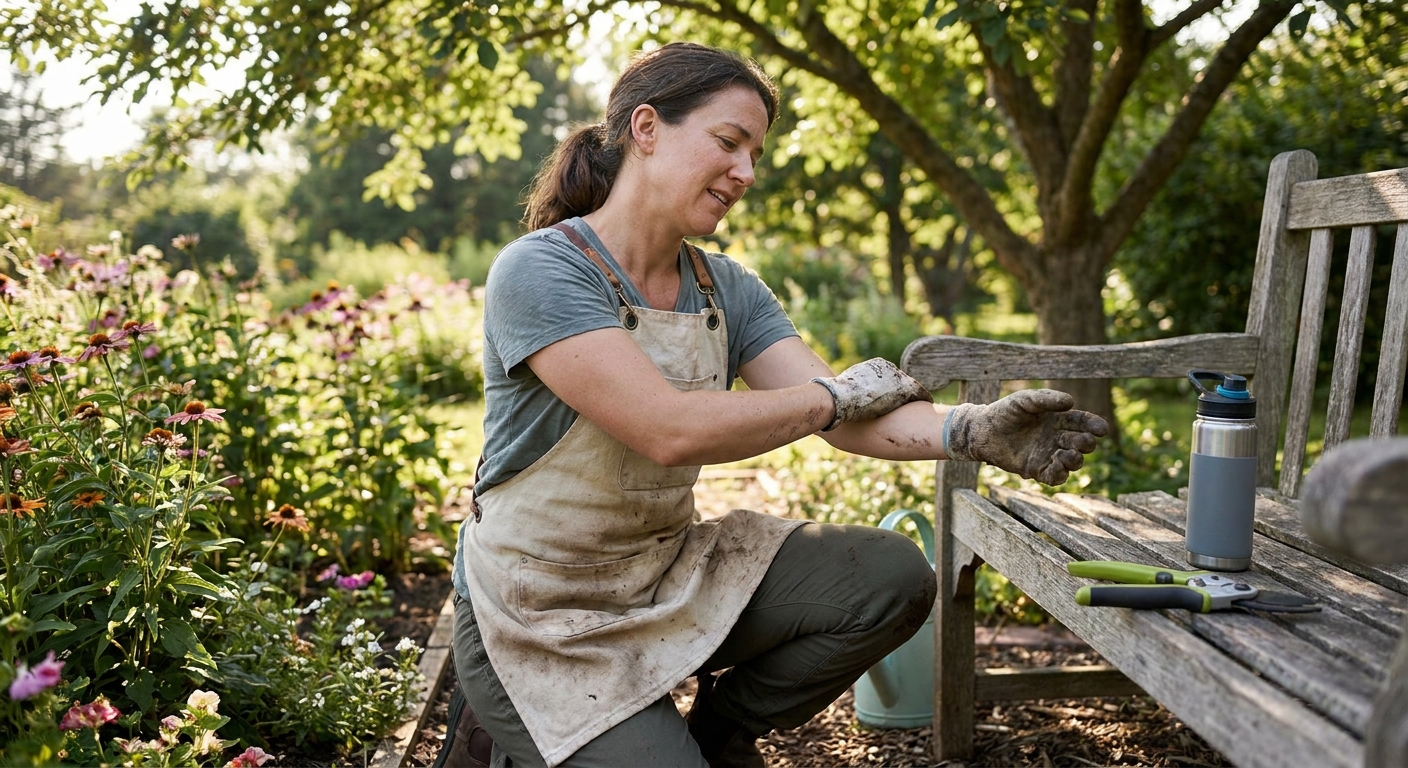
Bending over a flower bed for six hours, kneeling on pavers, hauling mulch bags, and gripping pruning shears all day put a different kind of load on the body than most jobs do, and that load shows up as chronic low back, knee, shoulder, and wrist pain for landscapers and serious home gardeners alike. Pain management for gardeners and landscapers works best when the treatment plan matches the actual movement pattern causing the damage, not a generic rest-and-ice script.
TL;DR
- Pain management for gardeners works best when treatment targets the specific joint or nerve involved, not just the symptom.
- Repetitive bending and digging drive most low back pain in landscaping work; SI joint and epidural injections are common fixes.
- Overhead pruning and raking load the rotator cuff; ignoring shoulder pain past 6 weeks usually makes it worse.
- RFA can control facet-driven back pain for 6 to 12 months, letting landscapers get through a full season.
- Skip pain management that ignores return-to-work timing during peak planting and harvest windows.
Why this matters
Landscaping and groundskeeping work involves sustained flexion, rotation under load, and repetitive gripping — three movement patterns that wear down discs, facet joints, and tendons faster than a desk job ever will. A gardener who pushes through stiffness every spring without addressing the underlying mechanics is often looking at a disc herniation or SI joint dysfunction by year three or four of steady work.
The fix isn’t always surgery, and it isn’t always just stretch more. A structured look at low-impact exercises for chronic low back pain shows how movement and targeted injections work together rather than as competing options. Hudson Pain and Spine treats this population regularly across its Englewood, Woodland Park, and Edison locations, and the pattern is consistent: pain that gets diagnosed early stays manageable with conservative care; pain that gets ignored through two or three seasons often needs an injection or radiofrequency ablation to break the cycle.
Who this is for
This guide is built for landscapers, groundskeepers, nursery and greenhouse workers, and hobby gardeners who spend real hours each week bending, kneeling, lifting, and gripping tools. If your pain flares every spring and fades by winter, or if you’ve started modifying how you kneel or lift just to get through a workday, the guidance below applies directly to you.
What to look for in pain management for gardeners and landscapers
Diagnosis that matches the motion
Back pain from repetitive bending is not automatically a disc problem — it could be facet joint irritation, SI joint dysfunction, or muscular strain, and each responds to a different treatment. A specialist who examines how you actually move (squat, twist, lift) before recommending an injection or a course of physical therapy will get you to relief faster than one working off a generic pain scale.
Injection options for the joints landscaping wears out
Knees take a beating from kneeling on pavers and slopes; SI joints and facet joints absorb the twisting load of digging and raking. Look for a provider who offers targeted options — epidural steroid injections, SI joint injections, genicular nerve blocks — rather than a one-size-fits-all cortisone shot.
A plan for staying on the job during peak season
Spring planting and fall cleanup don’t wait for you to heal on your own schedule. Effective pain management for gardeners includes a realistic timeline: which treatments let you keep working with modifications, and which ones require a few days off.
Non-opioid options that don’t dull grip strength or reaction time
Landscaping work involves power tools, ladders, and uneven ground, so anything that affects alertness or grip is a safety issue, not just a comfort issue. Nerve blocks, RFA, and trigger point injections manage pain without the sedation that comes with opioid-based approaches.
Coverage clarity before you commit
Repetitive-strain injuries from landscaping work sometimes fall under workers’ comp, sometimes under standard health insurance, and the paperwork differs. Confirm coverage and authorization requirements before scheduling a procedure so a treatment plan doesn’t stall mid-season over billing.
Where interventional care actually fits
Epidural or SI joint injections for bending-and-digging back pain. This is the most common presentation in landscaping work: dull, aching low back pain that worsens after a full day of bending and lifting mulch bags. Epidural steroid injections typically deliver 3 to 6 months of relief for disc-related pain, and SI joint injections target the joint most stressed by repetitive forward bending. Verdict: Consider if pain has persisted more than 6 weeks despite rest.
Radiofrequency ablation for facet-driven pain that returns every season. Landscapers who get short-term relief from injections but see pain return every spring often have facet joint involvement. RFA interrupts the nerve signal for 6 to 12 months at a time, which covers a full growing season for most crews. Verdict: Buy for anyone cycling through repeat injections without lasting change.
Rotator cuff treatment for overhead pruning and raking pain. Repeated overhead reaching with shears or a hedge trimmer strains the rotator cuff the same way an overhead athlete’s shoulder wears down. A close look at rotator cuff shoulder pain treatments covers the injection and physical therapy combination that keeps shoulder pain from becoming a torn cuff. Verdict: Buy if shoulder pain shows up specifically during overhead work.
Carpal tunnel and nerve pain treatment for grip-heavy tool work. Hours of gripping pruners, shovels, and power tools compress the median nerve and produce tingling or numbness in the thumb and first two fingers. The breakdown on carpal tunnel syndrome nerve pain treatment covers splinting, nerve blocks, and when surgical referral makes sense. Verdict: Consider as soon as nighttime tingling starts, before grip strength drops.
Trigger point injections for neck and shoulder tightness. Constant looking down at soil or plants tightens the upper trapezius and neck extensors, producing tension headaches and shoulder knots that OTC pain relievers barely touch. Verdict: Consider for tightness that doesn’t resolve with a week of stretching and heat.
What to avoid
- Relying on OTC creams and pills alone past 6 weeks. Topical NSAIDs and ibuprofen mask symptoms but do nothing for a disc or facet joint problem underneath, and pushing through can turn a 6-week issue into a 6-month one.
- Waiting for the off-season to deal with it. Pain that’s manageable in July often isn’t manageable by October if the underlying joint or nerve issue never gets diagnosed.
- Chiropractic-only care with no imaging or diagnosis. Adjustments can help muscular tightness, but recurring pain that never gets imaged or diagnosed risks missing a disc herniation or SI joint problem that needs an injection.
Verdict comparison across common landscaping injuries
| Injury pattern | Likely cause | Typical treatment | Verdict |
|---|---|---|---|
| Low back ache after bending/digging | Disc or SI joint strain | Epidural or SI joint injection | Consider |
| Back pain returning every season | Facet joint irritation | Radiofrequency ablation | Buy |
| Shoulder pain from overhead pruning | Rotator cuff strain | Injection + physical therapy | Buy |
| Hand/wrist tingling from tool grip | Carpal tunnel compression | Splinting, nerve block, or surgical referral | Consider |
| Neck/shoulder tightness | Postural strain | Trigger point injections | Consider |
Talk to a pain specialist before next season
Board-certified interventional care for chronic back, knee, and shoulder pain from landscaping work.
FAQ
What is the best pain management approach for gardeners with chronic back pain?
The best approach diagnoses the specific structure involved — disc, facet joint, or SI joint — before choosing between an epidural injection, SI joint injection, or radiofrequency ablation. Generic rest alone rarely resolves pain that’s tied to daily bending and lifting.
How long does relief from an epidural steroid injection last for back pain?
Epidural steroid injections typically provide 3 to 6 months of relief for disc-related low back pain in 2026. Many landscaping patients pair the injection with a targeted exercise program to extend that window.
Is radiofrequency ablation better than repeat injections for landscapers?
RFA is generally the better option for facet-driven pain that keeps returning after injections, since it can control pain for 6 to 12 months compared to the shorter window of a single steroid injection. It’s not the first step for a new or mild injury.
How much does pain management cost without insurance in NJ?
Costs vary by procedure and location, and pain specialists typically provide a cost breakdown before scheduling. Details on pricing without insurance are covered in a dedicated guide on the topic.
Can gardeners keep working while getting treated for chronic pain?
Many patients continue working with modified duties during treatment, especially with nerve blocks or trigger point injections that don’t require downtime. Procedures like RFA or surgical referrals may require a short break depending on the case.
What causes wrist and hand pain in landscapers and gardeners?
Hours of repetitive gripping with pruners, shovels, and power tools compress the median nerve and irritate tendons, producing carpal tunnel symptoms or tendonitis. Numbness or tingling at night is usually the first sign.
Does workers’ comp cover pain management for landscaping injuries?
Coverage depends on whether the injury is classified as work-related and documented properly at the time it occurred. Confirming authorization before scheduling a procedure avoids billing delays.
When should a gardener see a pain specialist instead of a chiropractor?
See a pain specialist when pain persists past 6 weeks, involves numbness or tingling, or hasn’t responded to a few weeks of conservative care. A pain specialist can order imaging and offer injection-based treatment that a chiropractor cannot.
One last thing
Most landscaping crews treat spring and fall as sprint seasons and push through pain to get the work done, which is exactly the window when a manageable strain turns into a disc problem that needs an injection instead of a stretch. Getting evaluated in the off-season, before the next planting rush, is the single biggest lever gardeners have over how bad next year’s pain gets in 2026.
Related guides
About the Medical Reviewer
Dr. Saurabh Dang is a double board-certified interventional pain management specialist serving Central and Northern New Jersey. He combines clinical expertise with a patient-centered approach to help patients find lasting relief from chronic pain conditions.
Read Full Bio →Seeking Treatment for Epidural Injections?
Dr. Dang and the team at Hudson Pain and Spine offer specialized care and advanced interventional treatments.
Ready to Find Relief from Pain?
Schedule your consultation with Dr. Saurabh Dang at our Englewood office.
Serving patients across Central and Northern New Jersey — Bergen, Passaic, and Middlesex counties.