
Pain Management After Spinal Fusion: 2026 Guide

Medically reviewed by
Dr. Saurabh Dang, MD, MBA
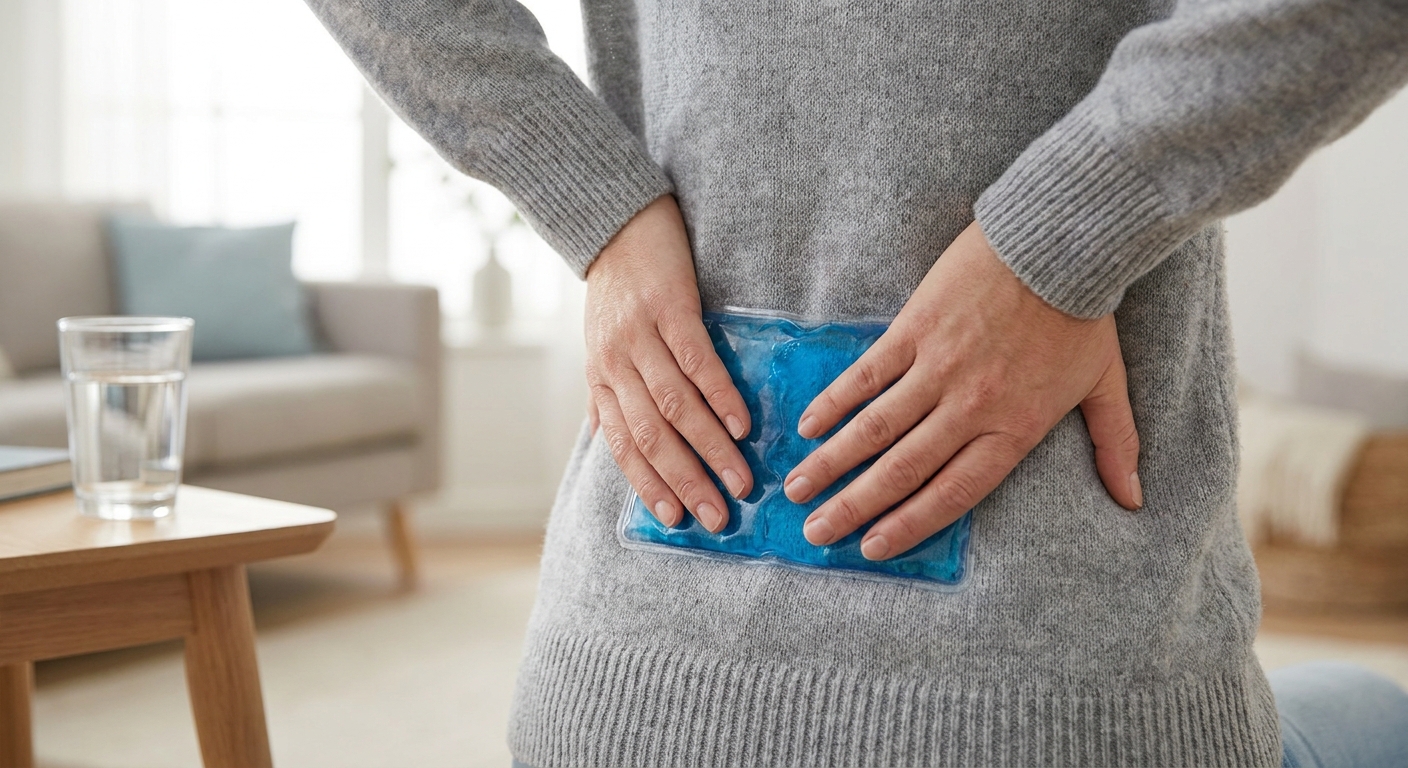
You just went through spinal fusion. The hardware is in, the bone is fusing, and now you’re stuck managing pain that surgery didn’t fully erase — this guide breaks down what actually works during recovery and what to skip.
TL;DR
- Non-opioid multimodal protocols control most post-fusion pain within days — start there, not with opioids.
- Radiofrequency ablation targets facet-mediated pain at levels adjacent to the fusion; relief typically builds over 2-3 weeks.
- Medial branch blocks are the diagnostic step before RFA, not a standalone long-term fix.
- Skip generic physical therapy programs that ignore fusion-level precautions in the first 12 weeks of 2026 recovery timelines.
- New radiating leg or arm pain after fusion needs evaluation within days, not months.
Who this is for
This is for patients who had lumbar or cervical spinal fusion in the last 3 to 12 months and still have pain that wasn’t part of the surgical plan — burning down a leg, aching around the hardware, or a dull ache that spikes with activity. It’s also for patients whose surgeon has cleared them from acute post-op care but hasn’t mapped out what happens if pain lingers past the expected healing window. If you’re six weeks out and the surgical site pain is fading on schedule, you don’t need this guide yet. If you’re three months out and still relying on prescription opioids, you do. Hudson Pain and Spine works with post-fusion patients across Bergen, Passaic, and Middlesex counties who fall into that second group.
Why this matters
Spinal fusion fixes instability, it doesn’t guarantee a pain-free spine. Adjacent segment stress, retained facet-mediated pain above or below the fusion, and nerve irritation from scar tissue are common in the first year. A 2026 recovery plan built only around rest and opioids leaves these problems unaddressed until they become chronic. The goal after fusion is a structured, non-opioid-first pain management pathway that separates normal healing discomfort from a signal that something needs imaging or intervention.
What to look for in pain management after spinal fusion
Coordination with your surgeon’s post-op protocol
Any pain management plan after fusion has to sync with your surgeon’s hardware precautions and fusion timeline, usually 6 to 12 months for bone to fully consolidate. A pain specialist who isn’t checking your surgical notes before recommending an injection near the fusion level is working blind. This coordination matters more than any single procedure choice.
A non-opioid-first approach with a real taper plan
Opioids have a role in the first 1 to 2 weeks after fusion, not the next six months. Look for a plan that pairs anti-inflammatories, nerve-targeted medications, and physical therapy with a documented taper — not an open-ended refill schedule. Patients who stay on opioids past 90 days post-fusion have a much harder time weaning off later.
Imaging-guided procedures, not blind injections
Anything injected near fusion hardware in 2026 should be done under fluoroscopic or ultrasound guidance. Blind injections near instrumented levels carry more risk of missing the target or irritating nearby nerve roots. This is non-negotiable for post-fusion patients specifically, more than for general back pain.
A clear escalation pathway past 3 months
If pain hasn’t meaningfully improved by the 3-month mark, you need a specialist who has a next step ready — diagnostic blocks, RFA, or referral back to the surgeon for imaging. A vague “give it more time” answer at month four is a red flag, not reassurance.
Return-to-activity planning built into treatment
Pain management after fusion isn’t just about numbing pain, it’s about getting you back to walking, driving, and working without re-injuring the fusion. The best plans tie pain control directly to a graded activity schedule rather than treating pain and function as separate problems.
Get a post-fusion pain evaluation
Board-certified review of your fusion recovery and pain pattern.
Top picks for post-fusion pain management
Radiofrequency ablation (RFA) — the targeted pick. RFA works well when pain traces back to facet joints at levels adjacent to the fusion, a common source of lingering pain since fused segments shift load to the joints above and below them. Relief typically builds over 2 to 3 weeks and can last 6 to 12 months per treatment cycle. Read how radiofrequency ablation treats chronic low back pain for the full mechanism. Verdict: Buy for confirmed facet-mediated pain adjacent to a fusion.
Medial branch blocks — the diagnostic first step. These aren’t a long-term fix, they’re a same-day test that tells you whether RFA will actually work before you commit to it. A block that cuts pain by 80% or more for a few hours confirms the facet joint as the source. See how medial branch blocks help diagnose back pain for what the appointment looks like. Verdict: Buy as a diagnostic step before committing to RFA.
SI joint injections — the overlooked pick. Fusion at L4-S1 levels frequently shifts stress onto the sacroiliac joint, producing new pain that patients mistake for a failed fusion. An SI joint injection under imaging guidance can confirm and treat this in one visit. Verdict: Consider if your pain sits low and to one side of the spine rather than centered on the fusion.
Non-opioid multimodal protocol — the safe pick. Combining gabapentinoids for nerve pain, scheduled anti-inflammatories, and topical agents controls most routine post-fusion pain within days, without the taper problems opioids create. Learn more about how to manage chronic pain without opioids. Verdict: Buy as the default starting point for anyone past the first 2 weeks post-surgery.
Structured low-impact PT progression — the long-game pick. Fusion patients who start walking and low-impact strengthening on a graded schedule recover functional capacity faster than those who wait for pain to disappear first. This isn’t a quick fix, results build over weeks to months. Verdict: Buy for anyone cleared by their surgeon for activity, paired with whichever procedure addresses the acute pain.
What to avoid after spinal fusion
- Open-ended opioid refills past 90 days. They stop treating pain effectively and start creating a dependency problem that’s harder to solve than the original pain.
- Chiropractic manipulation directly at fused levels. Manual adjustment near instrumented hardware isn’t appropriate and can stress the construct before bone fully consolidates.
- Generic PT programs that ignore fusion precautions. A program written for a general back pain patient, not a post-fusion patient, can push flexion or rotation your surgeon specifically restricted in the first 12 weeks.
- Ignoring new radiating pain down an arm or leg. This can signal hardware irritation or a new disc issue and needs evaluation within days, not a wait-and-see approach through the next follow-up visit.
Verdict comparison
| Approach | Best for | Time to relief | Verdict |
|---|---|---|---|
| Radiofrequency ablation | Facet pain adjacent to fusion | 2-3 weeks | Buy |
| Medial branch blocks | Diagnostic confirmation | Same-day | Buy |
| SI joint injections | New low-back/SI pain post-fusion | Days | Consider |
| Non-opioid multimodal protocol | Baseline recovery pain | Days | Buy |
| Structured low-impact PT | Long-term function | Weeks to months | Buy |
FAQ
How long does pain last after spinal fusion surgery?
Surgical site pain typically improves over 6 to 12 weeks, but full bone fusion and nerve healing can take 6 to 12 months in 2026 recovery timelines. Pain that isn’t improving by month 3 needs specialist evaluation, not just more time.
Is it normal to still have pain a year after spinal fusion?
Some residual stiffness is common, but persistent significant pain a year out is not something to accept as normal. It’s often adjacent segment stress, facet-mediated pain, or hardware irritation that responds to targeted treatment like radiofrequency ablation or medial branch blocks.
What is the best pain management after spinal fusion?
A non-opioid-first multimodal protocol combined with imaging-guided procedures for specific pain generators works best. Opioids have a short-term role in the first 1 to 2 weeks, not as an ongoing solution.
Can you get radiofrequency ablation after spinal fusion?
Yes, RFA is commonly used for facet joint pain at levels adjacent to a fusion since those joints absorb extra load after surgery. A medial branch block first confirms whether RFA will help before the procedure is scheduled.
Why does my back still hurt after fusion surgery?
Fusion stabilizes one segment but shifts mechanical stress to the joints above and below it, which can become new pain sources. It can also reflect scar tissue, nerve irritation, or in rare cases hardware-related issues that need imaging to confirm.
When should I see a pain specialist after spinal fusion?
See a specialist if pain hasn’t meaningfully improved by 3 months post-surgery, or sooner if you develop new radiating pain down an arm or leg. Waiting past that point without a plan usually makes the pain harder to treat.
Is physical therapy safe after spinal fusion?
Yes, once your surgeon clears you, but the program needs to respect fusion-specific precautions rather than following a generic back pain protocol. Graded, low-impact progression works better than aggressive early loading.
One last thing
The pain patients complain about most a year after fusion usually isn’t at the fusion level at all — it’s the joint above or below it working overtime. That’s exactly why a medial branch block before jumping to RFA matters: it tells you whether you’re treating the actual source or just guessing based on where the fusion scar is.
Related guides
About the Medical Reviewer
Dr. Saurabh Dang is a double board-certified interventional pain management specialist serving Central and Northern New Jersey. He combines clinical expertise with a patient-centered approach to help patients find lasting relief from chronic pain conditions.
Read Full Bio →Seeking Treatment for Chronic Pain?
Dr. Dang and the team at Hudson Pain and Spine offer specialized care and advanced interventional treatments.
Ready to Find Relief from Pain?
Schedule your consultation with Dr. Saurabh Dang at our Englewood office.
Serving patients across Central and Northern New Jersey — Bergen, Passaic, and Middlesex counties.