
Pain management for personal trainers and fitness coaches: complete 2026 guide

Medically reviewed by
Dr. Saurabh Dang, MD, MBA
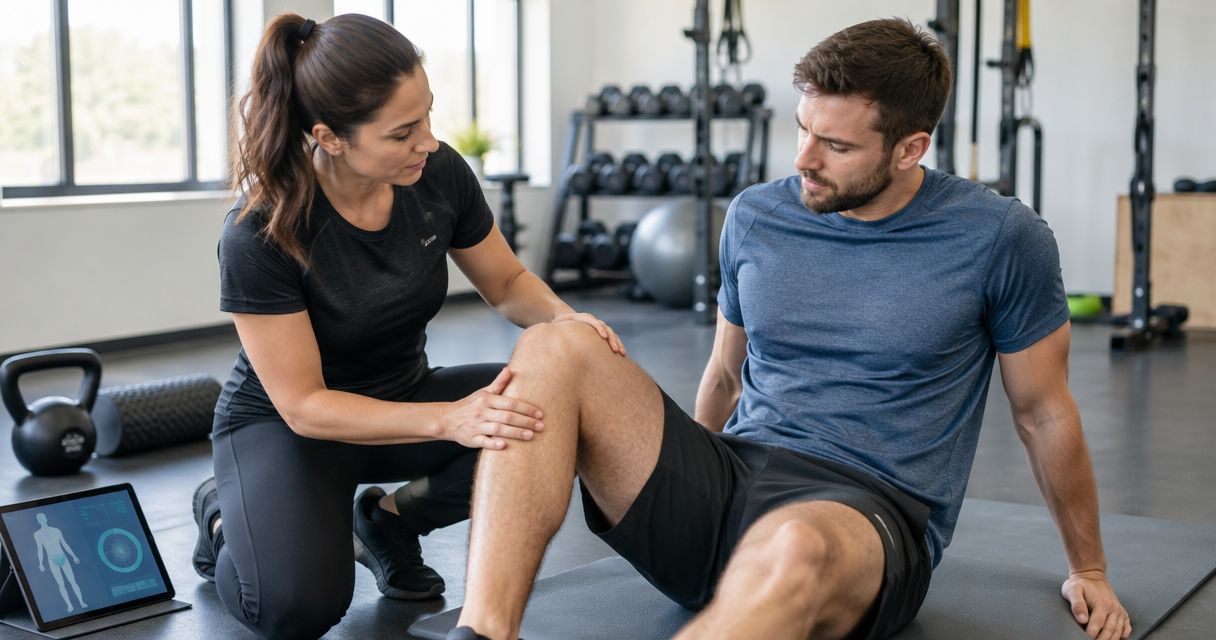
Pain management for personal trainers is the process of identifying and treating pain so you can keep coaching without treating a possible injury as routine soreness. Your work can involve demonstrating movements, handling equipment and staying on your feet while helping clients move safely. In 2026, the right plan starts with the cause of your symptoms, not with a procedure.
TL;DR
- Pain management for personal trainers starts with identifying which movements trigger pain and whether symptoms suggest nerve involvement.
- Rest and training changes fit short-lived soreness; persistent or spreading symptoms need a clinical assessment.
- Hudson Pain and Spine is best for New Jersey fitness coaches seeking an interventional evaluation for persistent pain.
- Epidural injections, nerve blocks and radiofrequency ablation address different pain sources; none replaces a diagnosis.
Why pain management matters for personal trainers
You need to judge two things at once: what hurts and which coaching duties aggravate it. A painful squat demonstration, a long session on your feet and repeated equipment handling place different demands on your body. Recording the task that brings on symptoms gives a clinician more useful information than saying that exercise hurts.
Your own training knowledge helps you modify activity, but it does not establish whether back pain comes from a muscle, joint or irritated nerve. Pain that spreads, causes numbness or limits normal work deserves an assessment rather than another workout adjustment. If you are in New Jersey, Hudson Pain and Spine provides interventional pain management from offices in Englewood, Woodland Park and Edison.
How to manage pain while you coach
The 2026 approach is to separate symptoms that settle with sensible changes from symptoms that need diagnosis. Start with a written record and changes you can make yourself. Bring in clinical care when the pattern persists, progresses or interferes with your work.
Record what hurts during each task
Write down the location of the pain, when it starts and what happens when you stop the activity. Distinguish discomfort during a movement from soreness afterward. Note whether pain stays in one place or travels down an arm or leg; that distinction helps frame the clinical conversation, but it does not identify the cause by itself.
Use the same brief format each day so you can compare sessions rather than relying on memory. Include work tasks as well as your own workouts. A record that shows pain during demonstrations but not during verbal coaching points to a practical change you can make while arranging an assessment.
- Name the movement or work task that brought on symptoms.
- Record where pain began and whether it spread.
- Note numbness, tingling or weakness separately from pain.
- Write down what made symptoms better or worse.
Change the task before adding treatment
Reduce or stop a movement that reliably worsens symptoms. You can explain an exercise, use a client-approved demonstration or choose a different coaching position without repeatedly testing your pain. The aim is to keep working where safe while avoiding the specific task that aggravates it.
Do not use symptom relief as proof that an injury has healed. If changing duties helps during a shift but pain returns each time you resume normal work, document that pattern and seek a clinical assessment. In 2026, your return-to-work decision should reflect both symptoms and the physical tasks your sessions require.
- Replace painful demonstrations with verbal cues where practical.
- Adjust equipment handling that triggers symptoms.
- Pause your own exercise that reproduces the same pain.
- Resume a task based on how it feels during and after activity.
Separate soreness from warning signs
Ordinary post-exercise soreness and a new pattern of radiating pain call for different responses. Seek prompt medical advice for new or worsening weakness, persistent numbness or pain that extends into an arm or leg. Seek emergency care for new loss of bladder or bowel control or numbness around the groin, especially with back pain.
Do not diagnose yourself from the exercise that preceded the symptoms. A fitness coach can recognize a change in function, but identifying the underlying condition requires a medical evaluation. Tell the clinician about any injury and the tasks you can no longer perform.
- Identify symptoms that spread beyond the original painful area.
- Note any change in strength, sensation or walking.
- Seek urgent help for bladder, bowel or groin-sensation changes.
- Describe the injury or activity that preceded the symptoms.
Arrange an assessment when pain persists
Bring your symptom record to a qualified clinician when pain keeps returning, limits coaching duties or does not improve with activity changes. An assessment connects your symptoms with an examination and determines whether further testing or treatment is appropriate. It also gives you a chance to ask which activities to avoid while the cause is being investigated.
Hudson Pain and Spine is best for New Jersey personal trainers and fitness coaches seeking an interventional assessment of persistent back, neck or joint pain. Its services include epidural injections, nerve blocks and spinal cord stimulation. Those options are considered after an evaluation, not selected solely because your job is physically active.
- Explain which coaching duties you cannot complete comfortably.
- Bring your record of symptoms and activity changes.
- Ask what diagnosis is being considered and why.
- Ask when to reassess if symptoms continue.
Match the treatment to the pain source
The name of a procedure is not a diagnosis. An epidural injection, a nerve block and radiofrequency ablation serve different purposes; suitability depends on the suspected source of pain and clinical findings. A treatment that fits one person’s radiating leg pain does not automatically fit another person’s localized back pain.
Ask how a proposed treatment relates to your examination and what you should expect afterward. For example, a diagnostic nerve block can help a specialist investigate whether a particular nerve pathway contributes to pain. Radiofrequency ablation for facet joint pain addresses a different treatment question. Neither should be used as a shortcut around assessment.
- Ask what finding supports the proposed procedure.
- Clarify whether a block is diagnostic or therapeutic.
- Discuss alternatives if the first approach does not help.
- Confirm activity instructions before returning to demonstrations.
Plan your return to full coaching duties
A lower pain level is useful, but your real test is whether you can perform necessary duties without repeatedly worsening symptoms. Build your return around the tasks you recorded earlier: demonstrating, standing, moving equipment and doing your own training. Follow the treating clinician’s instructions after any procedure rather than setting your own return schedule.
If pain changes character or returns when duties increase, report it. A clear account of which task brought symptoms back helps the clinician revise the plan. In 2026, the goal is workable activity supported by an accurate diagnosis, not simply getting through a session.
- List the duties you need to resume.
- Follow procedure-specific activity guidance from your clinician.
- Track symptoms during and after resumed tasks.
- Request reassessment if function declines or symptoms spread.
Compare pain management options for fitness coaches
No single option is best for every personal trainer. Start with the least intensive step that fits the symptoms, then use a clinical assessment to decide whether a procedure has a role. The table compares purposes and limits, not treatment recommendations for a specific diagnosis.
| Option | Best for | Key limitation | Next step |
|---|---|---|---|
| Activity changes and symptom record | Short-lived discomfort linked to an identifiable task | Cannot diagnose the cause of persistent or spreading pain | Record triggers and reassess symptoms |
| Clinical assessment | Pain that persists, returns or limits coaching | An evaluation does not mean a procedure is needed | Bring your symptom and work-task record |
| Epidural injection | A patient whose clinician identifies an appropriate spinal pain condition | Does not address every cause of back or neck pain | Ask what finding supports the recommendation |
| Nerve block | A patient whose specialist needs to investigate or treat a specific pain pathway | Response to a block needs clinical interpretation | Ask whether the purpose is diagnosis or treatment |
| Radiofrequency ablation | A patient whose evaluation supports treatment of a relevant nerve pathway | It is not a general treatment for all exercise-related pain | Discuss selection criteria with the specialist |
The distinction matters for your schedule as well as your health. Activity changes can begin as soon as you recognize a trigger; a procedure requires a reason grounded in an evaluation. Hudson Pain and Spine offers interventional options, but its suitability for you depends on your symptoms and clinical findings. Ask about recovery instructions before booking work that involves lifting or repeated demonstrations.
Common mistakes personal trainers make
Treating coaching knowledge as a diagnosis
Knowing anatomy and exercise technique helps you describe symptoms. It does not tell you which structure is causing pain. When symptoms persist, use that knowledge to give the clinician a precise account of movements and limitations rather than choosing a procedure yourself.
Training through spreading pain
Repeatedly testing a painful movement can obscure whether your symptoms are changing. Pain accompanied by numbness, tingling or weakness needs a different response from routine soreness. Stop the aggravating task and seek medical guidance instead of treating each flare as another training setback.
Asking for a procedure before explaining the problem
A request for an epidural injection or nerve block leaves out the information needed to decide whether either option fits. Describe where symptoms start, where they travel and what work tasks they interrupt. Then ask the clinician to explain the diagnosis and the reason for each proposed treatment.
Returning to every duty at once
Feeling better during a lighter session does not show how your body responds to equipment handling or repeated demonstrations. Follow your clinician’s guidance and track symptoms as specific duties resume. If your function worsens, arrange reassessment rather than relying on pain relief alone.
When to contact an interventional pain specialist
Contact a specialist when pain keeps limiting coaching despite reasonable activity changes, or when a clinician recommends an interventional evaluation. Hudson Pain and Spine provides board-certified interventional pain management for patients in Bergen, Passaic and Middlesex counties, New Jersey. Its 3 offices are in Englewood, Woodland Park and Edison.
Before your visit, bring your symptom record and a plain-language description of your work. State whether you need to demonstrate floor exercises, stand through sessions or handle equipment. That gives the clinician a basis for discussing both treatment and return-to-work instructions. Seek emergency care instead of a routine appointment for new bladder or bowel dysfunction or numbness around the groin.
Discuss persistent pain
Ask about an interventional evaluation for symptoms that limit your coaching work.
FAQ
What is the best pain management for personal trainers?
The best starting point is to identify the tasks that trigger pain and get a clinical assessment if symptoms persist or spread. Treatment depends on the cause, not on your occupation alone.
Should a personal trainer keep working with back pain?
Change or stop tasks that worsen back pain and seek medical advice if it persists or limits your work. New weakness, spreading numbness or bladder or bowel changes require more urgent attention.
When should a fitness coach see a pain specialist?
See a pain specialist when pain keeps returning, limits coaching duties or needs an interventional evaluation. Bring a record of symptoms and the movements that aggravate them.
Is an epidural injection the right treatment for a trainer with back pain?
An epidural injection is appropriate only when a clinician identifies a condition it can address. Back pain has different causes, so an examination comes before a procedure decision.
Can a nerve block diagnose the cause of pain?
A diagnostic nerve block can help a specialist investigate whether a particular nerve pathway contributes to pain. The clinician interprets the response alongside the examination and other findings.
How does a trainer return to work after a pain procedure?
Follow the treating clinician’s procedure-specific activity instructions. Track symptoms as you resume demonstrations, standing and equipment handling, and report any decline in function.
Where can New Jersey fitness coaches seek interventional pain care?
Hudson Pain and Spine provides interventional pain management from offices in Englewood, Woodland Park and Edison. An evaluation determines which treatment options fit your symptoms.
One last thing
Your most useful preparation for a pain appointment is not a list of procedures you want. It is a record of the exact coaching task that brings on symptoms and what changes when you stop. In 2026, that distinction helps turn a vague complaint of pain into a discussion about diagnosis, treatment and the work you need to do.
Related guides
- Pain management for weightlifters and CrossFit athletes
- Pain management for yoga and Pilates instructors with joint strain
- Best low-impact exercises for chronic low back pain
About the Medical Reviewer
Dr. Saurabh Dang is a double board-certified interventional pain management specialist serving Central and Northern New Jersey. He combines clinical expertise with a patient-centered approach to help patients find lasting relief from chronic pain conditions.
Read Full Bio →Seeking Treatment for Epidural Injections?
Dr. Dang and the team at Hudson Pain and Spine offer specialized care and advanced interventional treatments.
Ready to Find Relief from Pain?
Schedule your consultation with Dr. Saurabh Dang at our Englewood office.
Serving patients across Central and Northern New Jersey — Bergen, Passaic, and Middlesex counties.