Best Chronic Groin Pain Treatment for Athletes (2026)

Medically reviewed by
Dr. Saurabh Dang, MD, MBA
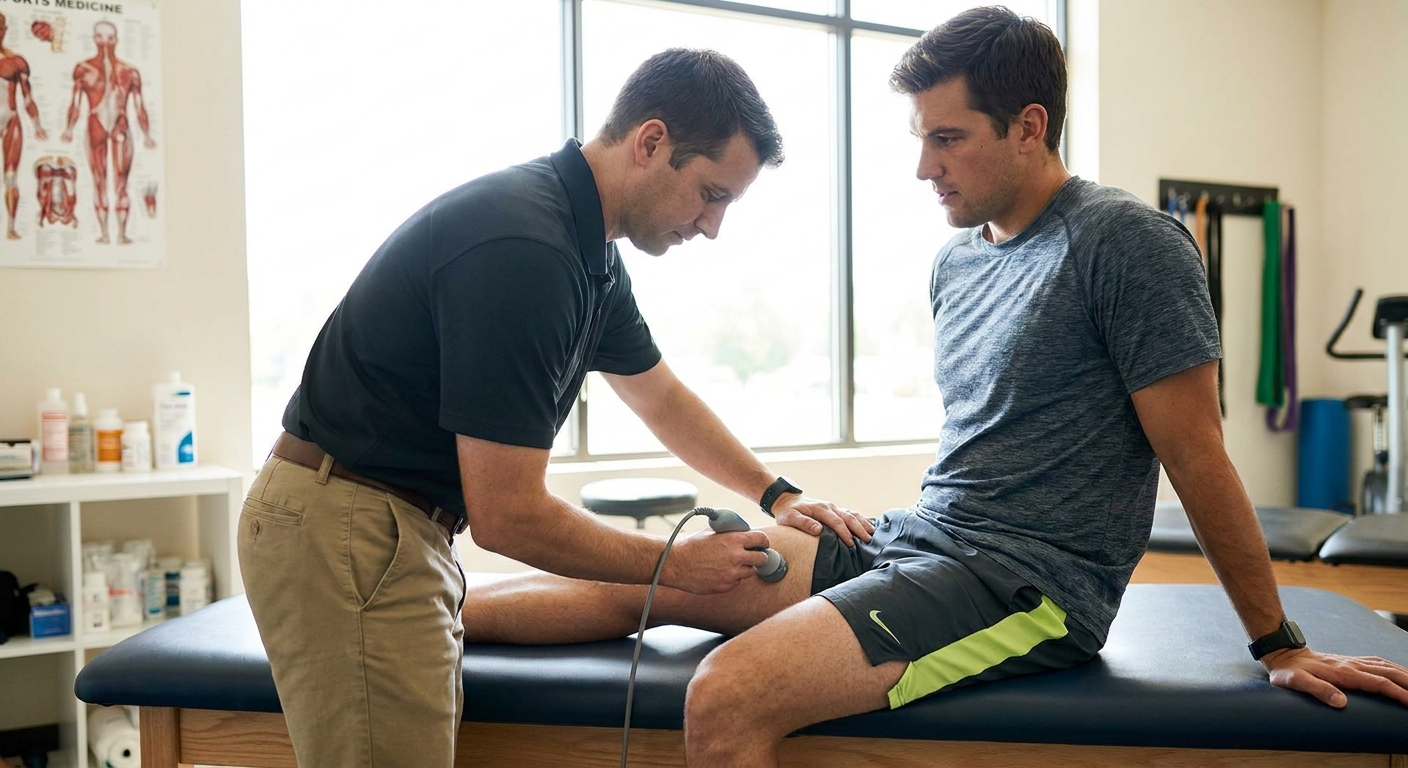
Chronic groin pain in athletes gets misdiagnosed more than almost any other sports injury because adductor strains, hip labral tears, sports hernias, and nerve entrapment all overlap in the same six-inch stretch of tissue, and picking the wrong chronic groin pain treatment for athletes wastes months of a season chasing the wrong structure.
TL;DR
- Physical therapy plus activity modification resolves most adductor strains in 6-8 weeks — start here, not with injections.
- Ultrasound-guided corticosteroid injections cut inflammation fast but relief runs 4-8 weeks — Buy for short-term flare control.
- PRP injections target tendon healing over 2-3 sessions and suit athletes trying to avoid surgery — Consider.
- Nerve blocks targeting the ilioinguinal or genitofemoral nerve fix entrapment-driven groin pain — Buy once nerve testing confirms it.
- Surgical repair stays a last resort after 3+ months of failed conservative chronic groin pain treatment for athletes — Wait.
Why this matters
Groin pain that lingers past the 3-month mark stops behaving like a normal muscle strain. Athletes who keep training through it often layer a nerve irritation or a labral tear on top of the original adductor injury, which is why a single MRI reading rarely settles the diagnosis on its own.
Weightlifters and CrossFit athletes see a specific version of this problem, where repetitive loaded hip flexion under a barbell aggravates the same adductor and iliopsoas tissue that soccer and hockey players strain from cutting and kicking. The pain management approach for weightlifters and CrossFit athletes with chronic joint and muscle injuries follows the same escalation logic used below: conservative care first, targeted injections second, ablation or surgery only when both fail.
The treatments below are ranked by how directly they address the structure actually causing the pain, not by how aggressive they sound. An athlete with a confirmed nerve entrapment doesn’t need a corticosteroid shot into the hip joint, and an athlete with a simple adductor strain doesn’t need radiofrequency ablation.
How this list is ranked
Each entry is ranked on diagnostic specificity, expected relief window, and how well it fits an athlete who wants to return to sport rather than just sit still. Conservative, low-risk options rank first because 2026 sports medicine guidance still treats structured rehab as the correct entry point for adductor-related groin pain before any injection is considered.
Injections and ablation move up the list only when a specific structure is confirmed through exam findings, ultrasound, or diagnostic nerve blocks. Surgery sits last because it carries the longest recovery and should follow, not replace, a real trial of conservative and interventional care.
The ranked treatments
1. Physical Therapy and Activity Modification
The starting point every athlete should try first. A structured 6-8 week program targeting adductor strength, hip mobility, and core stability resolves the majority of straightforward groin strains without a single needle.
This works because most chronic groin pain in athletes starts as a simple overload injury that never got a real rehab window between games. Skipping this step to chase an injection is the single most common mistake seen in athletes who show up with pain past the 90-day mark. Verdict: Buy — do this before anything else.
2. Ultrasound-Guided Corticosteroid Injection
The fast inflammation reliever. A targeted injection into the adductor tendon origin or hip joint calms acute flares within days, with relief typically lasting 4-8 weeks.
This suits an athlete mid-season who needs to compete through a playoff run while rehab continues in the background. It is not a long-term fix on its own, and repeat injections into the same tendon carry real downsides for tissue quality. Verdict: Consider — useful as a bridge, not a cure.
3. Platelet-Rich Plasma (PRP) Injection
The biologic option for tendon-driven pain. PRP concentrates the athlete’s own platelets and injects them into the injured adductor tendon or pubic symphysis region, typically over 2-3 sessions spaced 4-6 weeks apart in 2026 treatment protocols.
Athletes choosing platelet-rich plasma therapy for joint and tendon pain generally want to avoid surgery and are willing to wait weeks rather than days for full effect. It’s a stronger fit for chronic tendinopathy than for an acute muscle tear. Verdict: Consider for confirmed tendon involvement.
4. Trigger Point Injections (Adductor/Iliopsoas)
The muscle-specific fix. When exam findings point to a tight, spasming band of adductor or iliopsoas muscle rather than a tendon or nerve, trigger point injections that relieve muscle pain release that knot directly and often bring relief within the same visit.
This pick works best for athletes whose pain flares specifically with resisted hip adduction and improves with heat or massage, a pattern that separates it from tendon or nerve-driven cases. Verdict: Buy for muscle-dominant presentations.
5. Ultrasound-Guided Nerve Blocks (Ilioinguinal, Genitofemoral, Obturator)
The nerve entrapment specialist. A diagnostic block that numbs one specific nerve confirms whether that nerve is the actual pain generator, and it doubles as treatment when the block itself brings lasting relief.
Athletes with burning, electric, or radiating groin pain that doesn’t track with muscle loading patterns are the group most likely to have a nerve component rather than a strain. Verdict: Buy once nerve testing confirms the source.
6. Radiofrequency Ablation of the Genitofemoral Nerve
The long-acting option for confirmed nerve pain. Once a diagnostic block proves a specific nerve is the source, radiofrequency ablation disables that nerve’s pain signal for 6-12 months at a time, well beyond what a single block or injection provides.
This only makes sense after the diagnostic block in option 5 confirms the target nerve. Skipping straight to ablation without that confirmation step wastes the procedure on the wrong nerve. Verdict: Consider after a positive diagnostic block.
7. Diagnostic Hip Joint Injection
The tiebreaker when groin pain mimics hip pathology. A local anesthetic injected directly into the hip joint under imaging guidance tells an athlete within minutes whether their pain is coming from the joint (labrum, cartilage) or from the surrounding adductor and nerve tissue.
This matters because labral tears and femoroacetabular impingement produce groin pain that feels almost identical to an adductor strain on exam alone. Verdict: Consider when exam findings are ambiguous.
8. Surgical Referral (Adductor Tenotomy / Sports Hernia Repair)
The last resort. Surgical release or repair addresses structural tears and chronic tendon disease that never respond to injections, but recovery runs months longer than any option above it.
This path only makes sense after a genuine trial of conservative and interventional chronic groin pain treatment for athletes has already failed over 3+ months. Jumping to surgery before that trial skips steps that resolve most cases without an operating room. Verdict: Wait until conservative and interventional options are exhausted.
Comparison table
| Treatment | Onset of Relief | Duration | Invasiveness | Verdict |
|---|---|---|---|---|
| Physical therapy | 2-4 weeks | Long-term with maintenance | None | Buy |
| Corticosteroid injection | Days | 4-8 weeks | Low | Consider |
| PRP injection | 2-4 weeks | Months | Low-moderate | Consider |
| Trigger point injection | Same visit | Days to weeks | Low | Buy (muscle cases) |
| Nerve block | Same visit | Diagnostic to weeks | Low-moderate | Buy (nerve cases) |
| Radiofrequency ablation | 1-2 weeks | 6-12 months | Moderate | Consider |
| Diagnostic hip injection | Same visit | Diagnostic only | Low | Consider |
| Surgical repair | Months | Long-term | High | Wait |
Where to get treated
Groin pain that mixes muscle, tendon, and nerve symptoms needs a specialist who can run diagnostic blocks, not just order an MRI and guess. Look for a board-certified interventional pain physician who performs ultrasound-guided injections in-office rather than referring every case straight to surgery.
Before booking, confirm what your insurance covers for diagnostic blocks versus therapeutic injections, since the two are often billed differently. The process for getting insurance approval for pain procedures typically starts with documented failure of conservative care, which is exactly the 6-8 week PT trial described above.
Ask any clinic directly how many groin-specific nerve blocks or PRP protocols they perform in a given month. A specialist who treats hip and groin cases regularly will have a clear answer; one who doesn’t may default to a generic corticosteroid shot regardless of what’s actually causing the pain.
Get a groin pain evaluation
Board-certified interventional pain care in Englewood, Woodland Park, and Edison, NJ.
FAQ
What is the best chronic groin pain treatment for athletes?
Structured physical therapy targeting the adductors and hip stabilizers is the best first-line chronic groin pain treatment for athletes, resolving most cases in 6-8 weeks. Injections or nerve blocks come next only if pain persists past that trial.
How long does chronic groin pain last in athletes?
Groin pain is classified as chronic once it passes the 3-month mark, and untreated cases can persist for a full season or longer. Early, specific diagnosis shortens that timeline significantly.
Is PRP better than corticosteroid injections for groin pain?
PRP targets tendon healing over 2-3 sessions and lasts longer than corticosteroids, which relieve inflammation fast but wear off in 4-8 weeks. PRP suits tendon-driven pain; corticosteroids suit acute flares needing quick relief.
Can nerve blocks fix chronic groin pain?
Nerve blocks fix chronic groin pain when a specific nerve like the ilioinguinal or genitofemoral is confirmed as the source. They serve double duty as a diagnostic test and, in many cases, as lasting treatment.
When does groin pain need surgery?
Surgery becomes appropriate after 3 or more months of failed conservative and interventional treatment, or when imaging confirms a structural tear that injections cannot fix. It should follow a real trial of PT and targeted injections, not replace it.
How much do groin pain injections cost without insurance?
Costs vary by procedure type and clinic, with diagnostic blocks generally priced lower than PRP or radiofrequency ablation. Check current self-pay pricing directly with the clinic before scheduling.
Is physical therapy enough for an adductor strain?
Physical therapy resolves most straightforward adductor strains within 6-8 weeks without any injection. Pain that persists past that window usually points to a tendon, nerve, or joint issue layered on top of the original strain.
What’s the difference between a sports hernia and an adductor strain?
A sports hernia involves tearing of the lower abdominal or inguinal tissue rather than the adductor muscle itself, and it often needs surgical repair when conservative care fails. An adductor strain responds to PT, injections, or PRP far more often before surgery becomes necessary.
One last thing
The detail most athletes miss: a positive response to a diagnostic nerve block is often the fastest way to shortcut months of trial-and-error treatment, because it tells you within minutes whether the pain generator is muscular or neural before you commit to a longer PRP or rehab protocol. Athletes who get that diagnostic step early typically reach a working chronic groin pain treatment plan faster than those who start with a generic injection and wait to see if it helps.
Related guides
About the Medical Reviewer
Dr. Saurabh Dang is a double board-certified interventional pain management specialist serving Central and Northern New Jersey. He combines clinical expertise with a patient-centered approach to help patients find lasting relief from chronic pain conditions.
Read Full Bio →Seeking Treatment for Nerve Block Injections?
Dr. Dang and the team at Hudson Pain and Spine offer specialized care and advanced interventional treatments.
Ready to Find Relief from Pain?
Schedule your consultation with Dr. Saurabh Dang at our Englewood office.
Serving patients across Central and Northern New Jersey — Bergen, Passaic, and Middlesex counties.