
Best Sciatica Treatments During Pregnancy (2026 Guide)

Medically reviewed by
Dr. Saurabh Dang, MD, MBA
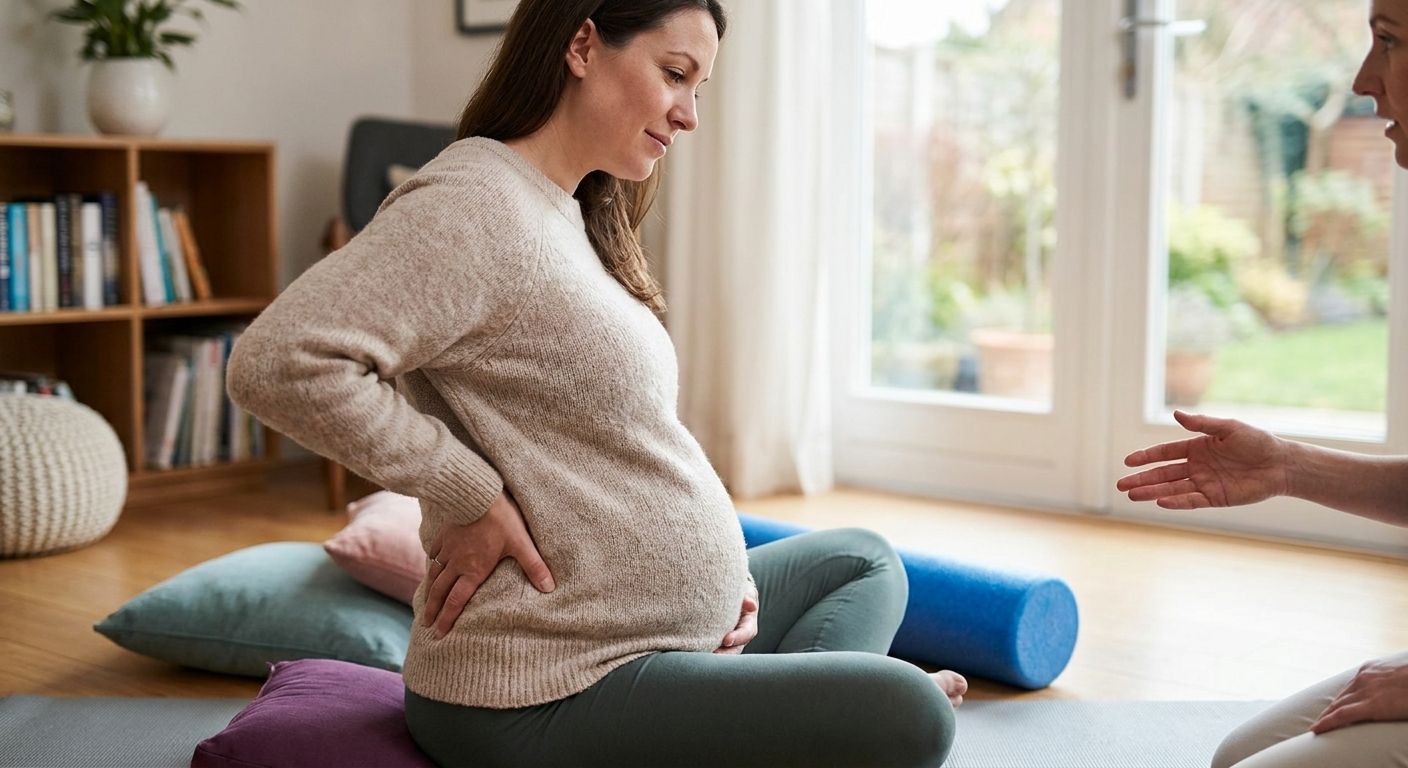
Sciatica during pregnancy shows up as sharp, shooting pain down the buttock and leg, usually worse by the second or third trimester as the growing uterus and shifting pelvis put pressure on the sciatic nerve. This guide ranks the treatments that actually work without risking the pregnancy, from first-line physical therapy to when an injection finally makes sense.
TL;DR
- Prenatal physical therapy is the first-line treatment for sciatica during pregnancy in 2026 — start here before anything else.
- TENS units and supportive belts manage daily flare-ups but do not fix the underlying nerve compression.
- Epidural steroid injections are generally postponed until after delivery due to fetal exposure concerns — Postpartum Only.
- SI joint dysfunction and pelvic girdle pain mimic sciatica and need a different treatment path entirely.
Why this matters
Sciatic-like pain in pregnancy isn’t always sciatica. The sacroiliac (SI) joints loosen from relaxin hormone shifts starting in the first trimester, and that instability can radiate pain into the hip and leg in a pattern that looks identical to true nerve compression. SI joint dysfunction and pelvic girdle pain get treated differently than a compressed sciatic nerve, so getting the diagnosis right before starting treatment matters more than which treatment you pick first.
Pregnancy also rules out the fastest fixes used outside of pregnancy. Oral NSAIDs, most muscle relaxants, and imaging-guided injections carry restrictions during pregnancy that don’t apply once you’ve delivered. That narrows the safe list considerably, and it’s why back pain treatment for pregnant women starts with conservative, non-pharmacologic care almost every time in 2026.
If pain radiates into the groin or feels more like pressure than a shooting nerve pain, pelvic pain in women with chronic conditions is worth ruling out before assuming sciatica.
How we ranked these treatments
This ranking weighs three things: safety data specific to pregnancy, how directly the treatment addresses sciatic nerve compression rather than just masking pain, and how quickly patients typically report relief based on aggregated clinical patterns seen in interventional pain management practices in 2026. Treatments that require imaging, sedation, or medications with pregnancy category restrictions rank lower or get flagged Postpartum Only regardless of how well they work outside pregnancy. Conservative, non-invasive options that address the mechanical cause of nerve compression rank highest because they carry the lowest risk profile for both patient and pregnancy.
Ranked treatments for sciatica during pregnancy
1. Prenatal physical therapy — the first-line pick
A physical therapist trained in prenatal care targets the piriformis muscle and glutes, the two most common culprits compressing the sciatic nerve as the pelvis widens through the second and third trimester. Sessions focus on stretching, gentle strengthening, and posture correction rather than any modality that requires imaging or medication.
This is the safest starting point at any point in a 2026 pregnancy, with no trimester restriction. Verdict: Recommended First.
2. Manual therapy and prenatal chiropractic care — the hands-on option
Manual therapy releases tight piriformis and gluteal muscles through hands-on mobilization rather than exercise alone, which some patients tolerate better in later pregnancy when exercise capacity drops. When the piriformis muscle itself is the compressing structure rather than a disc issue, treatment overlaps heavily with how piriformis syndrome pain gets managed outside of pregnancy, since the muscle mechanics are the same.
Find a provider specifically trained in prenatal manual therapy — general chiropractic technique isn’t automatically adapted for a shifting center of gravity. Verdict: Discuss With Your OB First.
3. Supportive belts and positional changes — the low-cost daily fix
A maternity support belt lifts the weight of the uterus off the pelvic floor and lower spine, reducing the mechanical pressure that triggers sciatic flare-ups during standing or walking. Sleeping positions matter just as much: side-lying with a pillow between the knees keeps the pelvis level and reduces nighttime nerve irritation.
This costs the least and carries zero medical risk, making it the easiest addition regardless of what else is being tried. Verdict: Use Daily.
4. TENS therapy for at-home flare-ups — the drug-free option
A transcutaneous electrical nerve stimulation (TENS) unit delivers a low-voltage current through the skin that interrupts pain signals without any medication crossing the placenta. It works best as a bridge between physical therapy sessions rather than a standalone fix, since it manages symptoms without correcting the underlying compression.
Most obstetricians clear TENS use below the waist during pregnancy, but confirm placement and settings with your provider first. Verdict: Consider.
5. Prenatal massage and acupuncture — the complementary option
Both modalities reduce muscle tension around the sciatic nerve pathway and are widely used as adjuncts to physical therapy rather than replacements for it. Response varies more by practitioner experience with pregnant patients than by the modality itself, so credentials matter here more than the technique name.
Use a licensed prenatal massage therapist or a licensed acupuncturist with documented prenatal training — general practitioners without that specialization should be skipped. Verdict: Consider.
6. Epidural steroid injection — the postpartum option
An epidural steroid injection delivers anti-inflammatory medication directly to the compressed nerve root and is one of the most effective interventional treatments for sciatica outside of pregnancy. It’s generally not performed during pregnancy because the procedure typically requires fluoroscopic (X-ray) guidance and medications that carry restrictions in pregnancy.
Patients with sciatica that hasn’t resolved after delivery are frequently good candidates once cleared postpartum. Verdict: Postpartum Only.
Talk to a Pain Specialist About Sciatica
Board-certified evaluation to confirm sciatica versus SI joint or pelvic pain.
Comparison table
| Treatment | Trimester Best Suited | Invasiveness | Verdict |
|---|---|---|---|
| Prenatal physical therapy | Any trimester | None | Recommended First |
| Manual therapy / chiropractic | Second and third | Low | Discuss With OB First |
| Support belt / positioning | Any trimester | None | Use Daily |
| TENS therapy | Second and third | None | Consider |
| Prenatal massage / acupuncture | Any trimester | None | Consider |
| Epidural steroid injection | Postpartum | Moderate | Postpartum Only |
Where to get treatment
- Start with your OB or midwife to rule out SI joint dysfunction, pelvic girdle pain, or preterm labor signs before assuming sciatica.
- Ask specifically for a prenatal-certified physical therapist — general orthopedic PT clinics don’t always adapt technique for a shifting pelvis and center of gravity.
- If pain persists past the standard six-week postpartum visit, an interventional pain management evaluation covers injection-based options that weren’t safe during pregnancy.
FAQ
What is the best treatment for sciatica during pregnancy in 2026?
Prenatal physical therapy is the best first treatment for sciatica during pregnancy in 2026 because it addresses the piriformis and gluteal tightness causing nerve compression without medication or imaging. Support belts and positional changes work well alongside it for daily symptom control.
Is sciatica during pregnancy the same as SI joint pain?
No, sciatica and SI joint dysfunction feel similar but are different problems. SI joint pain comes from ligament laxity in the pelvis, while sciatica comes from direct nerve compression, and each needs a different treatment approach.
Can you get an epidural steroid injection for sciatica while pregnant?
Epidural steroid injections for sciatica are generally postponed until after delivery because the procedure typically uses fluoroscopic guidance and medications with pregnancy restrictions. Most patients wait until the postpartum period if pain hasn’t resolved.
Is it safe to use a TENS unit for sciatica while pregnant?
TENS units are considered safe for most pregnancies when used below the waist with your obstetrician’s clearance. Confirm placement and intensity settings before starting, since guidance varies by pregnancy stage.
When does sciatica during pregnancy usually start?
Sciatica-like pain in pregnancy tends to increase through the second and third trimester as the uterus grows and the pelvis widens, putting more pressure on the sciatic nerve pathway. Some cases start earlier if the piriformis muscle is already tight.
Does sciatica during pregnancy go away after delivery?
Sciatica caused by pregnancy-related pelvic and postural changes often improves within weeks after delivery as the uterus shrinks and hormone levels shift back. Pain that persists past the six-week postpartum visit should be evaluated by a specialist.
Can prenatal massage help sciatica pain?
Prenatal massage can reduce muscle tension around the sciatic nerve pathway when performed by a therapist trained specifically in prenatal care. It works best as a complement to physical therapy rather than a standalone treatment.
What does sciatica pain feel like during pregnancy?
Sciatica during pregnancy typically feels like a sharp, shooting pain that starts in the buttock and travels down the back of one leg, sometimes with numbness or tingling. It usually worsens with prolonged sitting or standing.
One last thing
The detail most pregnant patients miss: sciatica that shows up before 20 weeks is less likely to be mechanical compression from the growing uterus and more likely to be a pre-existing disc or piriformis issue that pregnancy simply made noticeable. That timing detail changes which treatment path makes sense, which is exactly why a proper evaluation before starting therapy saves weeks of trial and error.
Related guides
- Back pain treatment for pregnant women
- Pelvic pain treatment for women with chronic conditions
- SI joint pain treatment for hip and low back pain
- How to treat piriformis syndrome pain
- How to treat pain after a C-section
About the Medical Reviewer
Dr. Saurabh Dang is a double board-certified interventional pain management specialist serving Central and Northern New Jersey. He combines clinical expertise with a patient-centered approach to help patients find lasting relief from chronic pain conditions.
Read Full Bio →Seeking Treatment for Epidural Injections?
Dr. Dang and the team at Hudson Pain and Spine offer specialized care and advanced interventional treatments.
Ready to Find Relief from Pain?
Schedule your consultation with Dr. Saurabh Dang at our Englewood office.
Serving patients across Central and Northern New Jersey — Bergen, Passaic, and Middlesex counties.