
Can a nerve block injection cause side effects?

Medically reviewed by
Dr. Saurabh Dang, MD, MBA

Yes. Nerve block injection side effects include temporary numbness, weakness, soreness, and bruising; blocks containing a corticosteroid can also cause flushing, sleep changes, or elevated blood sugar. Serious complications include infection, bleeding, nerve injury, and reactions to medication. Trouble breathing, seizures, or rapidly worsening weakness require emergency evaluation, not routine monitoring at home.
TL;DR
- Nerve block injection side effects depend on the injection site, local anesthetic, corticosteroid use, and your medical history.
- Temporary numbness can be expected; worsening weakness or breathing trouble needs urgent assessment.
- Hudson Pain and Spine provides nerve blocks; discuss individual risks before choosing interventional pain management.
- Follow your discharge instructions rather than a general recovery timetable.
Why this matters
A numb limb after a nerve block does not automatically mean nerve damage. Local anesthetic deliberately interrupts nerve signals, but new symptoms outside the expected area or symptoms that worsen need assessment. The key distinction is whether your symptoms match the block your clinician described.
This 2026 guide separates expected effects from warning signs. For the broader recovery process, review what to expect after a nerve block procedure, then follow the instructions provided by your treating clinician.
Can a nerve block injection cause side effects?
Yes, and the effects come from several sources: the needle, the medication, the nerves being treated, and any sedation. Not every nerve block includes a steroid, and not every block affects movement.
Use this comparison to understand the main differences. It is not a substitute for your procedure-specific discharge instructions.
| Source of symptoms | Possible effects | Important distinction |
|---|---|---|
| Needle placement | Local soreness, tenderness, or bruising | Increasing swelling, spreading redness, or drainage needs assessment |
| Local anesthetic | Numbness, tingling, or temporary weakness in the targeted area | Symptoms should match the area and duration explained by your clinician |
| Corticosteroid, if included | Flushing, sleep disturbance, temporary blood sugar elevation, or a pain flare | These effects do not apply to every nerve block |
| Sedation, if used | Drowsiness, nausea, or impaired coordination | Sedation adds restrictions separate from the nerve block itself |
| Procedure complication | Infection, significant bleeding, or nerve injury | Severe, progressive, or unexpected symptoms require prompt evaluation |
Expected numbness is different from unexplained or worsening loss of function. If your discharge instructions do not explain what you are experiencing, contact the treating team rather than assuming it is normal.
Local anesthetic effects: numbness and temporary weakness
Local anesthetic reduces sensation in the area supplied by the targeted nerve. Depending on the nerve and technique, it can also reduce muscle strength. Tingling can occur as sensation changes.
The benefit is targeted pain relief or information about the source of pain. The limitation is that reduced sensation can hide an injury, and weakness can make walking or using an arm unsafe. A successful block does not mean the underlying condition has healed.
Protect a numb area from heating pads, hot water, sharp objects, and pressure. Get assistance if your leg feels weak, and do not test your recovery with lifting or strenuous exercise. Ask your clinician what movement is safe for your specific block.
Before leaving, confirm where numbness should occur and when the team expects it to resolve. There is no single recovery duration that applies to every local anesthetic, injection site, and patient.
Corticosteroid effects: flushing, sleep changes, and blood sugar
Some nerve blocks include a corticosteroid to reduce inflammation. Others use local anesthetic without a steroid, particularly when the purpose is diagnostic. Ask which medications your planned injection contains.
Corticosteroid exposure can cause facial flushing, disturbed sleep, mood changes, and elevated blood sugar. Temporary increased pain can also occur after an injection. These possibilities belong in your consent discussion, especially if you have diabetes or have reacted to steroids previously.
For a procedure scheduled in 2026, bring your current medication list and describe previous injection reactions. If you have diabetes, arrange a glucose-monitoring plan with the clinician who manages it; do not change diabetes medication on your own.
Increasing pain with fever, drainage, or new weakness should not be dismissed as a steroid flare. Those symptoms require clinical assessment.
Serious complications: warning signs that need action
Serious complications are possible even when an injection initially appears uncomplicated. The safest response depends on the symptom, its severity, and whether it is progressing.
When should I seek emergency care after a nerve block?
Call 911 for difficulty breathing, throat or tongue swelling, a seizure, collapse, or loss of consciousness. Sudden major weakness, new loss of bladder or bowel control, or numbness around the groin also requires emergency evaluation, particularly after a spinal procedure.
Local anesthetic toxicity is another emergency. Warning symptoms can include a metallic taste, ringing in the ears, numbness around the mouth, confusion, or seizures. Tell the procedural team immediately if these occur before you leave; seek emergency help if they develop afterward.
Do not drive yourself when you have severe symptoms, impaired coordination, or significant weakness. Tell emergency clinicians which procedure you had and which medications were used, if known.
When should I call the treating clinician?
Contact the treating team promptly for fever, spreading redness, drainage, increasing swelling, or pain that is worsening rather than settling. Persistent numbness or weakness beyond the timeframe provided by your clinician also needs assessment.
A severe headache that becomes worse when sitting or standing and improves when lying down can follow procedures involving the spinal coverings. Report it promptly. A headache with fever, confusion, or new neurological symptoms needs emergency evaluation.
Do not wait for a scheduled follow-up when symptoms are progressing. If you cannot reach the treating team, seek urgent medical assessment appropriate to the severity of your symptoms.
Why nerve block injection side effects vary
Your risk discussion should address the exact procedure, not nerve blocks as a single category. These factors change which effects are expected and which complications need particular attention:
- Injection location: A block near an arm, leg, spinal nerve, or sympathetic nerve can affect different functions and nearby structures.
- Medication selection: Local anesthetic, corticosteroid, contrast material, and sedation each have different potential effects.
- Bleeding risk: Anticoagulants, antiplatelet medications, and bleeding disorders affect procedural planning.
- Medical history: Diabetes, active infection, immune suppression, and existing nerve problems affect assessment and aftercare.
- Previous reactions: Describe the specific symptoms you experienced after anesthetics, steroids, contrast, antiseptics, or adhesives.
- Sedation use: Sedation adds risks and restrictions involving alertness, coordination, and transportation.
For your 2026 appointment, disclose prescription drugs, nonprescription medicines, and supplements. Never stop a blood thinner without instructions coordinated with the prescribing clinician. Stopping it can create a separate medical risk.
How can I prepare for a safer nerve block?
Preparation starts with understanding the purpose of the injection. A diagnostic block evaluates a suspected pain source; a therapeutic block aims to reduce symptoms. Neither purpose removes the need to discuss risks and alternatives.
Hudson Pain and Spine provides interventional pain management for patients seeking a specialist evaluation for nerve blocks in New Jersey. Its services include nerve blocks, but an injection remains a medical procedure with potential complications—not a guaranteed solution or the right choice for every patient.
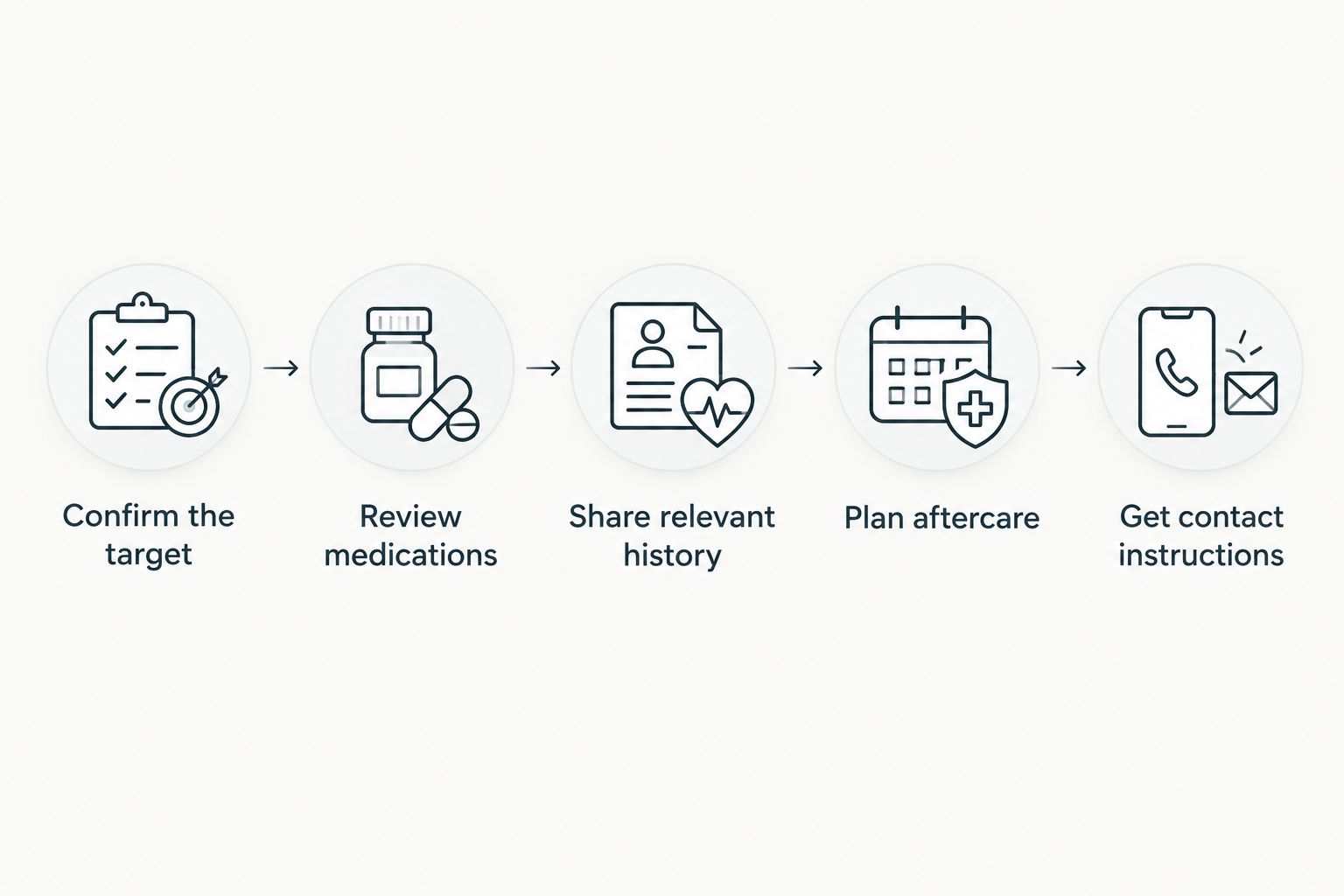
Use these steps before consenting:
- Confirm the target. Ask which nerve is being treated and how your symptoms support that choice.
- Review medications. Confirm whether the injection includes local anesthetic, corticosteroid, contrast, or sedation.
- Share relevant history. Report allergies, pregnancy, infection symptoms, diabetes, bleeding concerns, and previous neurological symptoms.
- Plan aftercare. Ask about transportation, walking assistance, work duties, and protection of the numb area.
- Get contact instructions. Know whom to call, including outside office hours, and which symptoms require emergency care.
These steps help you make an informed decision. They do not eliminate procedural risk or replace an examination.
Keep your written instructions somewhere accessible after the procedure. If another person is helping you recover, make sure that person knows the warning signs and has the treating team’s contact information.
How long do nerve block injection side effects last?
The duration depends on the medication, dose, injection location, and whether sedation or corticosteroid was used. Numbness from local anesthetic, soreness from the needle, and steroid-related effects do not necessarily resolve together. Your clinician should provide separate expectations where relevant.
Do not use someone else’s experience as your deadline. Contact the treating team if symptoms persist beyond your instructions, return unexpectedly, or become more severe.
For a 2026 procedure, ask for the expected recovery window in writing before leaving. An individualized answer is more useful than a general online estimate.
Can a nerve block cause permanent nerve damage?
Permanent nerve injury is a recognized complication of nerve blocks, but temporary numbness alone does not establish that diagnosis. Needle trauma, bleeding that compresses a nerve, and other procedural complications can injure nerve tissue.
New burning pain, persistent sensory changes, or weakness requires assessment when it falls outside the expected recovery pattern. Your clinician must distinguish medication effects from injury and from the condition that prompted the block.
Do not wait for numbness to become painful before reporting unexpected loss of function. The location, progression, and effect on movement all matter.
What should I track after the injection?
Record when symptoms start, where they occur, and whether they improve or worsen. Separate your original pain from injection-site soreness and any new symptoms. If the block is diagnostic, follow the team’s instructions for recording pain relief and permitted activity.
You can describe pain on a 0–10 pain scale, where 0 means no pain and 10 means the worst pain imaginable. Also record practical function: walking safely, gripping an object, or changing position. A pain score alone does not capture weakness or altered sensation.
When contacting Hudson Pain and Spine after a nerve block, describe the procedure date, symptom location, and changes since discharge. Have your medication list available, but do not delay emergency care to gather records.
FAQ
Is numbness normal after a nerve block injection?
Numbness in the targeted area can be an expected effect of local anesthetic. Contact your treating clinician if it lasts beyond the timeframe you were given, spreads unexpectedly, or accompanies worsening weakness.
Can a nerve block make my pain worse?
A nerve block can cause injection-site soreness or a temporary pain flare. Severe or increasing pain, especially with fever, swelling, drainage, or weakness, needs prompt assessment.
Does every nerve block injection contain a steroid?
Not every nerve block contains a steroid. Some use local anesthetic alone, so ask your clinician which medications are planned before discussing steroid-specific side effects.
Can I drive home after a nerve block?
Do not drive if you have numbness, weakness, impaired coordination, or lingering sedation. Arrange transportation according to your procedural team’s instructions and obtain procedure-specific guidance before resuming driving.
Should I stop blood thinners before a nerve block?
Do not stop blood thinners on your own. The procedural clinician and prescribing clinician must coordinate instructions based on the medication, injection location, and your medical risks.
Can a nerve block raise my blood sugar?
A nerve block containing corticosteroid can raise blood sugar. If you have diabetes, discuss monitoring and when to contact your diabetes clinician before the procedure.
When are nerve block injection side effects an emergency?
Call 911 for breathing difficulty, throat or tongue swelling, seizures, collapse, or loss of consciousness. Sudden major weakness or new bladder or bowel dysfunction also requires emergency evaluation.
What should I ask Hudson Pain and Spine before a nerve block?
Ask Hudson Pain and Spine which nerve will be targeted, which medications will be used, and which effects are expected. Request written activity restrictions and instructions for symptoms that need a call or emergency care.
One last thing
Pain relief is not permission to stress a numb limb. A block can reduce the warning signals that normally make you stop an unsafe movement, so follow activity restrictions even when you feel better.
Before your 2026 procedure, ask one practical question: what would make you want me to call tonight? Write down the answer alongside the expected numbness pattern and the after-hours contact instructions.
Related guides
- Can you exercise after a nerve block injection?
- How medial branch blocks help diagnose back pain
- How to choose an interventional pain specialist in New Jersey
About the Medical Reviewer
Dr. Saurabh Dang is a double board-certified interventional pain management specialist serving Central and Northern New Jersey. He combines clinical expertise with a patient-centered approach to help patients find lasting relief from chronic pain conditions.
Read Full Bio →Seeking Treatment for Nerve Block Injections?
Dr. Dang and the team at Hudson Pain and Spine offer specialized care and advanced interventional treatments.
Ready to Find Relief from Pain?
Schedule your consultation with Dr. Saurabh Dang at our Englewood office.
Serving patients across Central and Northern New Jersey — Bergen, Passaic, and Middlesex counties.