
Pain Management for Cyclists 2026: Best Knee & Back Fix

Medically reviewed by
Dr. Saurabh Dang, MD, MBA
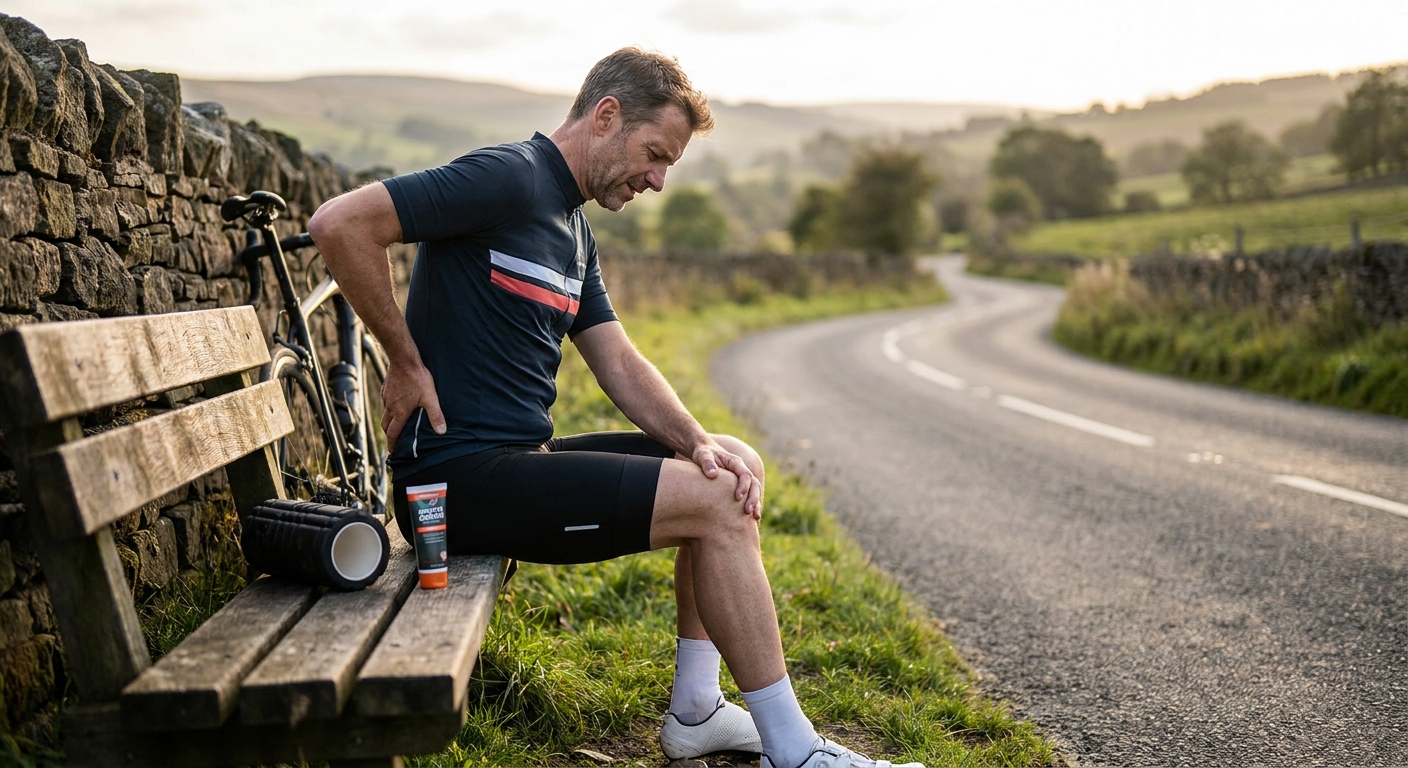
Cycling puts recurring, high-rep stress through the knees and lumbar spine, and after a few thousand miles a season, that stress turns into chronic pain instead of a one-time strain. Pain management for cyclists means matching the treatment to the actual pain generator, patellofemoral joint, IT band, disc, or facet joint, rather than just icing and hoping the next ride feels different.
TL;DR
- PRP injections for chronic knee pain suit cyclists with cartilage wear who want to keep riding into 2026 without surgery.
- Radiofrequency ablation treats facet-driven low back pain in cyclists with relief that commonly runs 6 to 12 months.
- Corticosteroid injections work fast for acute knee flares but are capped at 3 to 4 per year per joint.
- Skipping a bike fit before injections is the most common mistake cyclists make in 2026.
Why this matters
A road or gravel cyclist logging 100+ miles a week loads the patellofemoral joint through thousands of repetitive knee flexion cycles, and the lumbar spine holds a flexed, aero position for hours at a time. Both patterns produce a specific, recognizable kind of chronic pain, not a random ache. Treating it generically, rest, ibuprofen, a new saddle, works for a few weeks and then the pain returns at the same mileage mark. Interventional pain management for cyclists starts with identifying the exact structure driving the pain, then choosing a treatment matched to that diagnosis instead of a generic anti-inflammatory routine. Hudson Pain and Spine treats both knee and back pain in cyclists from offices across Bergen, Passaic, and Middlesex counties, NJ.
Who this is for
This guide is for road cyclists, gravel riders, and serious commuters who’ve had knee or low back pain for more than 6 to 8 weeks, tried a saddle adjustment or bike fit change, and still can’t get through a normal ride without pain that lingers into the next day. It’s also for masters-level and competitive riders managing degenerative changes, facet joint irritation, or patellofemoral cartilage wear who want to keep training through 2026 rather than stopping the sport entirely.
What to look for in pain management for cyclists
Board-certified, fellowship-trained diagnosis
A cyclist’s knee pain can come from the patellofemoral joint, IT band friction, or an early meniscus tear, and each needs a different treatment. Look for a double board-certified, fellowship-trained interventional pain specialist who examines riding position and mileage history, not just the joint in isolation.
Diagnostic precision before any injection
Back pain in cyclists is frequently facet-joint or SI-joint driven from the flexed riding posture, but it can also be disc-related. Diagnostic medial branch blocks or imaging-guided injections confirm the exact pain generator before committing to a longer-lasting procedure like radiofrequency ablation.
A conservative-to-interventional treatment ladder
Most cyclists should try physical therapy, targeted strengthening, and activity modification before injections. If those plateau after 6 to 12 weeks, an interventional option becomes reasonable, not a first resort.
A return-to-riding timeline built into the plan
Cyclists want a specific answer to when they can get back on the bike, not vague reassurance. A treatment plan should state expected days off the bike and a mileage ramp-up schedule tied to the specific procedure.
Insurance and cost clarity upfront
Some procedures, like PRP, are frequently not covered and carry out-of-pocket costs, while corticosteroid injections and RFA are commonly covered under standard medical insurance. Ask for this distinction before scheduling.
Location that supports follow-up visits
RFA and epidural injections often require a follow-up visit within weeks. A clinic with locations in Englewood, Woodland Park, or Edison cuts down on missed follow-ups for cyclists training on a schedule.
Top picks: treatments that fit cyclists
Corticosteroid injection for an acute knee flare — the fast fix. Relief typically starts within 24 to 72 hours and can last 6 to 12 weeks, but these injections are limited to roughly 3 to 4 per year per joint to protect cartilage. Good for getting through a race block or event; not a long-term strategy on its own. Consider.
PRP injections for chronic knee pain — the biologic pick for cartilage-related pain. A typical course runs 1 to 3 injections spaced several weeks apart, with benefit building over 2 to 3 months rather than overnight. This fits cyclists with mild-to-moderate cartilage wear who want to avoid steroid frequency limits and keep training into 2026. Consider.
Epidural steroid injection for radiating low back pain — the nerve-pain fix. Targets pain radiating into the hip or leg from a compressed nerve root, with relief commonly reported within 3 to 10 days. Right fit for cyclists with disc-related back pain rather than pure facet pain. Consider.
Radiofrequency ablation for chronic low back pain — the long-lasting pick for facet-driven pain confirmed by a diagnostic medial branch block. Relief commonly runs 6 to 12 months per treatment, well past a full riding season. Best for cyclists with confirmed facet joint pain who’ve already tried physical therapy without lasting improvement. Buy.
What to avoid
- Daily NSAID use as a long-term plan — it masks pain signals from cartilage wear without addressing the cause, and long-term use carries its own risks.
- Skipping a bike fit before any procedure — an injection into a knee irritated by poor saddle height or cleat position will recur the moment the cyclist returns to the same setup.
- Opioid prescriptions for saddle-related soft tissue soreness — this is muscular and postural pain, not the kind of pain opioids are appropriate for.
Talk to a pain specialist about your ride
Get an interventional diagnosis for cyclist knee or back pain in Bergen, Passaic, or Middlesex County.
Verdict comparison
| Treatment | Best for | Typical relief window | Verdict |
|---|---|---|---|
| Corticosteroid injection | Acute knee flare | 6 to 12 weeks | Consider |
| PRP injections | Chronic cartilage-related knee pain | 2 to 3 months to build | Consider |
| Epidural steroid injection | Radiating nerve-related back pain | 3 to 10 days onset | Consider |
| Radiofrequency ablation | Confirmed facet joint back pain | 6 to 12 months | Buy |
FAQ
What’s the best pain management for cyclists with knee pain?
For chronic, cartilage-related knee pain, PRP injections are commonly the best option because they avoid the annual limit on corticosteroid injections. For an acute flare before an event, a corticosteroid injection provides faster relief in 24 to 72 hours.
Is PRP better than corticosteroid injections for a cyclist’s knee?
PRP is generally better for chronic cartilage wear because it isn’t capped at 3 to 4 injections per year the way corticosteroids are. Corticosteroids act faster, within 24 to 72 hours, making them better suited to a short-term flare before a race.
How much does pain management for cyclists cost without insurance?
Cost varies significantly by procedure, and coverage differs between corticosteroid injections, PRP, and radiofrequency ablation. A detailed breakdown of typical costs without insurance is covered on Hudson Pain and Spine’s dedicated cost page.
Can cyclists still ride during pain treatment?
Most cyclists get a specific mileage ramp-up schedule tied to their procedure rather than a blanket no-riding order. Corticosteroid and epidural injections typically allow a short rest period of a few days before easing back into riding.
What causes chronic back pain in cyclists?
Chronic back pain in cyclists most often comes from facet joint irritation or SI joint stress caused by holding a flexed, aero riding position for extended periods. Disc-related pain radiating into the hip or leg is also common in higher-mileage riders.
Does insurance cover injections for cycling-related knee or back pain?
Corticosteroid injections, epidural steroid injections, and radiofrequency ablation are commonly covered under standard medical insurance when medically indicated. PRP injections are frequently not covered and often carry an out-of-pocket cost.
When should a cyclist see a pain management specialist?
See a specialist when knee or back pain persists past 6 to 8 weeks despite a bike fit adjustment and rest, or when pain radiates into the hip or leg. Waiting longer usually means a longer recovery timeline once treatment starts.
How long does relief from radiofrequency ablation last?
Radiofrequency ablation for facet joint pain commonly provides relief for 6 to 12 months per treatment. Many patients repeat the procedure once relief fades, since the treated nerve fibers can regenerate over time.
One last thing
The detail most cyclists miss in 2026 is that a diagnostic medial branch block, not an MRI, is what actually confirms whether back pain is facet-driven and whether radiofrequency ablation will work. Riders who skip that diagnostic step and go straight to RFA are the most common source of it-didn’t-work reports, when the real issue was treating the wrong pain generator from the start.
Related guides
- Low-impact exercises for chronic low back pain
- Sports injury pain treatment for runners
- Herniated disc treatment for active adults and athletes
About the Medical Reviewer
Dr. Saurabh Dang is a double board-certified interventional pain management specialist serving Central and Northern New Jersey. He combines clinical expertise with a patient-centered approach to help patients find lasting relief from chronic pain conditions.
Read Full Bio →Seeking Treatment for Epidural Injections?
Dr. Dang and the team at Hudson Pain and Spine offer specialized care and advanced interventional treatments.
Ready to Find Relief from Pain?
Schedule your consultation with Dr. Saurabh Dang at our Englewood office.
Serving patients across Central and Northern New Jersey — Bergen, Passaic, and Middlesex counties.