
Pain Management for Musicians with RSI: 2026 Guide

Medically reviewed by
Dr. Saurabh Dang, MD, MBA
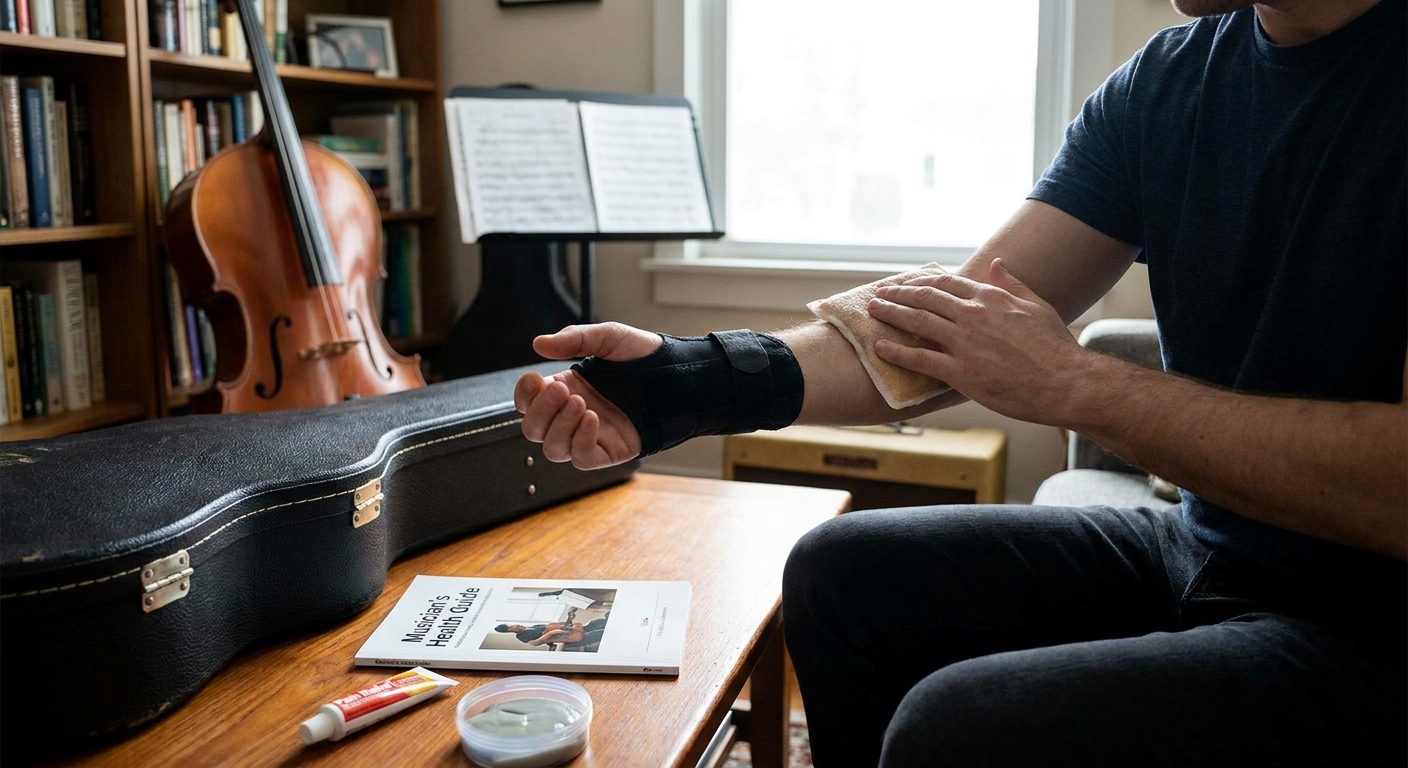
Repetitive strain from practicing scales, gripping a bow, or holding an embouchure for hours doesn’t heal the way a one-time injury does — it needs a treatment plan built around your instrument, not a generic wrist brace. This guide covers what to look for in pain management for musicians and which procedures address the nerve and tendon damage that comes from repetitive playing.
TL;DR
- Carpal tunnel syndrome and De Quervain’s tenosynovitis are the two most common musician RSIs seen in 2026 clinical intake at Hudson Pain and Spine.
- Nerve-sparing treatments like targeted injections and radiofrequency ablation let most musicians keep practicing during care - surgery does not.
- Skip repeated cortisone shots in the same tendon; more than 3 injections a year raises rupture risk.
- Cubital tunnel syndrome in drummers and brass players is often missed until grip strength is already affected.
- Board-certified interventional pain management, not a generic hand brace, is the right first call for musician pain management.
Why this matters
Musicians don’t get to rest an injured hand the way a warehouse worker rests a strained back. A violinist with wrist pain still has a recital; a trumpet player with jaw pain still has a gig. Pain management for musicians in 2026 has to solve two problems at once: reduce nerve and tendon irritation, and keep you functional enough to keep working. Generic orthopedic advice ignores that most musicians can’t take six weeks off an instrument without losing technique or income.
Who this is for
This guide is for working and serious amateur musicians — guitarists, pianists, violinists, cellists, drummers, and wind or brass players — dealing with numbness, tingling, aching, or grip weakness that shows up after practice sessions and doesn’t resolve with rest days. If you’ve had wrist, elbow, or jaw pain for more than 3 to 4 weeks, or numbness that lasts past the practice session itself, carpal tunnel syndrome or a related nerve compression issue is a real possibility, not just overuse fatigue.
What to look for in pain management for musicians
Instrument-specific biomechanics
A pain specialist who understands that a cellist’s left hand does different repetitive work than a drummer’s wrists will diagnose faster. The mechanism of injury dictates the treatment — ulnar nerve compression from resting on a drum throne looks nothing like thumb tendon strain from a violin bow grip.
Nerve-sparing treatment as the first option
Fine motor control is your income. Any plan that jumps to surgery before trying epidural injections, nerve blocks, or radiofrequency ablation risks sacrificing dexterity you can’t afford to lose. Interventional pain management exists specifically to treat nerve and joint pain without cutting first.
Minimally invasive procedures that don’t sideline you
Most image-guided injections take 15 to 30 minutes and let you resume light practice within 48 hours. That timeline matters more to a working musician than it does to most patients.
A documented return-to-practice plan
Generic rest-and-see advice doesn’t tell you when it’s safe to pick the instrument back up. A real plan specifies days, not vague ranges — this is where how to return to work safely after a pain procedure becomes directly relevant.
Board certification and fellowship training
Interventional pain procedures around nerves near your hands, wrists, and jaw are precision work. Double board-certified, fellowship-trained specialists — the standard at Hudson Pain and Spine — carry lower complication rates on nerve blocks and RFA than generalist providers.
Top picks for musician repetitive strain injuries
1. Carpal tunnel syndrome — the guitarist’s and pianist’s diagnosis. This is the single most common RSI diagnosis in string and keyboard players who report numbness in the thumb, index, and middle fingers after long practice sessions. First-line care is typically 6 to 8 weeks of splinting and activity modification, escalating to a targeted steroid or nerve injection if numbness persists past that window. Read the full breakdown on carpal tunnel syndrome nerve pain treatment before assuming it’s just fatigue. Verdict: treat now — waiting past 8 weeks with active numbness risks permanent nerve damage.
2. De Quervain’s tenosynovitis — the string player’s thumb-side ache. Common in violinists and violists who grip the bow with sustained thumb tension, this shows up as sharp pain on the thumb side of the wrist that worsens with gripping motions. Guidelines cap corticosteroid injections at no more than 3 per tendon per year because repeated shots weaken tendon tissue. Details on staging treatment are covered in De Quervain’s tenosynovitis wrist pain. Verdict: consider injection-based care if splinting and NSAIDs haven’t resolved symptoms in 3 to 4 weeks.
3. Cubital tunnel syndrome — the drummer’s and brass player’s elbow. Ulnar nerve compression at the elbow shows up in drummers who rest their arm on a hard surface for hours and in brass players whose elbow stays flexed against valve pressure. Grip strength loss is often the first measurable sign, showing up before pain does. Left untreated, this progresses to permanent weakness in the ring and pinky fingers. Verdict: consider early nerve conduction testing if you notice grip weakness before pain — by the time pain shows up, damage is further along.
4. TMJ and jaw pain — the embouchure problem no one talks about. Brass and woodwind players who maintain a tight embouchure for hours put sustained load on the jaw joint, producing clicking, aching, and headaches that get misdiagnosed as tension headaches for months. Treatment ranges from splint therapy to trigger point injections in the jaw muscles. The full treatment path is in TMJ jaw pain care. Verdict: treat now if jaw clicking is paired with daily headaches — this rarely resolves on its own.
5. Myofascial neck and shoulder pain — the posture tax every musician pays. Hours of asymmetric posture — violin under the chin, guitar strap over one shoulder, drum kit hunching — builds trigger points in the trapezius and rhomboid muscles that cause referred pain up the neck and down the arm. This is frequently mistaken for a pinched nerve. Verdict: monitor, but get evaluated if referred arm pain or tingling develops, since that pattern can mimic actual nerve compression.
Get your hand or jaw pain evaluated
Board-certified interventional pain management across Bergen, Passaic, and Middlesex counties.
What to avoid
- Generic wrist braces bought without a diagnosis. A brace fitted for carpal tunnel does nothing for De Quervain’s tenosynovitis, and wearing the wrong support can mask symptoms while the underlying tendon or nerve issue worsens.
- Repeated cortisone injections in the same tendon. More than 3 shots per year in one spot raises tendon rupture risk — a career-ending outcome for a professional musician that’s entirely avoidable with a staged treatment plan.
- Surgery as the default first step. Carpal tunnel release and cubital tunnel surgery both carry recovery windows measured in weeks, not days. Nerve blocks, targeted injections, and radiofrequency ablation resolve a large share of musician RSI cases without that downtime.
Verdict comparison
| Condition | Common Instrument | First-Line Treatment | Verdict |
|---|---|---|---|
| Carpal tunnel syndrome | Guitar, piano | Splinting 6-8 weeks, then injection | Treat now |
| De Quervain’s tenosynovitis | Violin, viola | Splinting, staged steroid injection | Consider |
| Cubital tunnel syndrome | Drums, brass | Activity modification, nerve testing | Consider |
| TMJ / jaw pain | Brass, woodwind | Splint therapy, trigger point injection | Treat now |
| Myofascial neck/shoulder pain | All instruments | Trigger point injection, posture correction | Monitor |
FAQ
What is the best pain management for musicians with repetitive strain injuries?
The best approach combines an instrument-specific diagnosis with nerve-sparing treatment - targeted injections, nerve blocks, or radiofrequency ablation - before considering surgery. In 2026, this staged approach lets most musicians keep practicing during treatment.
Is carpal tunnel syndrome common in guitarists and pianists?
Yes, carpal tunnel syndrome is one of the most frequent RSI diagnoses among string and keyboard players due to sustained wrist flexion during practice. Numbness in the thumb, index, and middle fingers after playing is the typical early sign.
Can nerve blocks help musicians keep playing during treatment?
Nerve blocks and targeted injections typically allow light practice to resume within 48 hours, unlike surgical options that require weeks of recovery. This makes them the preferred first step for working musicians.
How much do pain management procedures cost without insurance?
Costs vary by procedure and location, with injections and nerve blocks generally priced lower than surgical alternatives. Specific 2026 pricing details are covered separately for patients evaluating out-of-pocket options.
Does insurance cover treatment for musician-related repetitive strain injuries?
Most major insurance plans cover medically necessary injections and nerve blocks once conservative care like splinting has been documented. Coverage specifics depend on the plan and the diagnosed condition.
How long does recovery take after a nerve block or trigger point injection?
Most patients resume light activity within 24 to 48 hours after a nerve block or trigger point injection. Full symptom relief can take one to two weeks as inflammation settles.
When should a musician see a pain management specialist for hand or wrist pain?
See a specialist if numbness, tingling, or pain persists more than 3 to 4 weeks or worsens with continued playing. Early evaluation prevents progression to permanent nerve or tendon damage.
Is surgery necessary for carpal tunnel syndrome in musicians?
Surgery is usually a later option, reserved for cases where splinting and injections over 8 to 12 weeks haven’t resolved symptoms. Most musician cases respond to nerve-sparing treatment first.
One last thing
The detail most musicians miss: grip weakness often shows up before pain does in cubital tunnel syndrome, which means by the time a drummer or brass player feels discomfort, some nerve compression has already been happening for weeks. If you’ve noticed you’re dropping drumsticks or fumbling valve changes more than usual, don’t wait for pain to confirm it — get the nerve checked in 2026 while it’s still reversible.
Related guides
About the Medical Reviewer
Dr. Saurabh Dang is a double board-certified interventional pain management specialist serving Central and Northern New Jersey. He combines clinical expertise with a patient-centered approach to help patients find lasting relief from chronic pain conditions.
Read Full Bio →Seeking Treatment for Epidural Injections?
Dr. Dang and the team at Hudson Pain and Spine offer specialized care and advanced interventional treatments.
Ready to Find Relief from Pain?
Schedule your consultation with Dr. Saurabh Dang at our Englewood office.
Serving patients across Central and Northern New Jersey — Bergen, Passaic, and Middlesex counties.