
Chronic Pain and Mental Health Balance: Your 2026 Guide

Medically reviewed by
Dr. Saurabh Dang, MD, MBA
Chronic Pain and Mental Health Balance: Your 2026 Guide

Chronic pain is defined as pain lasting longer than three months, and it directly disrupts mental health by altering brain chemistry, sleep, and daily function. Adults managing chronic pain face a bidirectional challenge: pain worsens depression and anxiety, while poor mental health amplifies pain perception. Chronic pain affects about 20% of adults worldwide, making this one of the most common health burdens globally. Achieving chronic pain mental health balance requires treating both systems together, not one after the other. The good news is that evidence-based strategies exist today that address physical symptoms and emotional well-being at the same time.
How does chronic pain affect mental health balance?
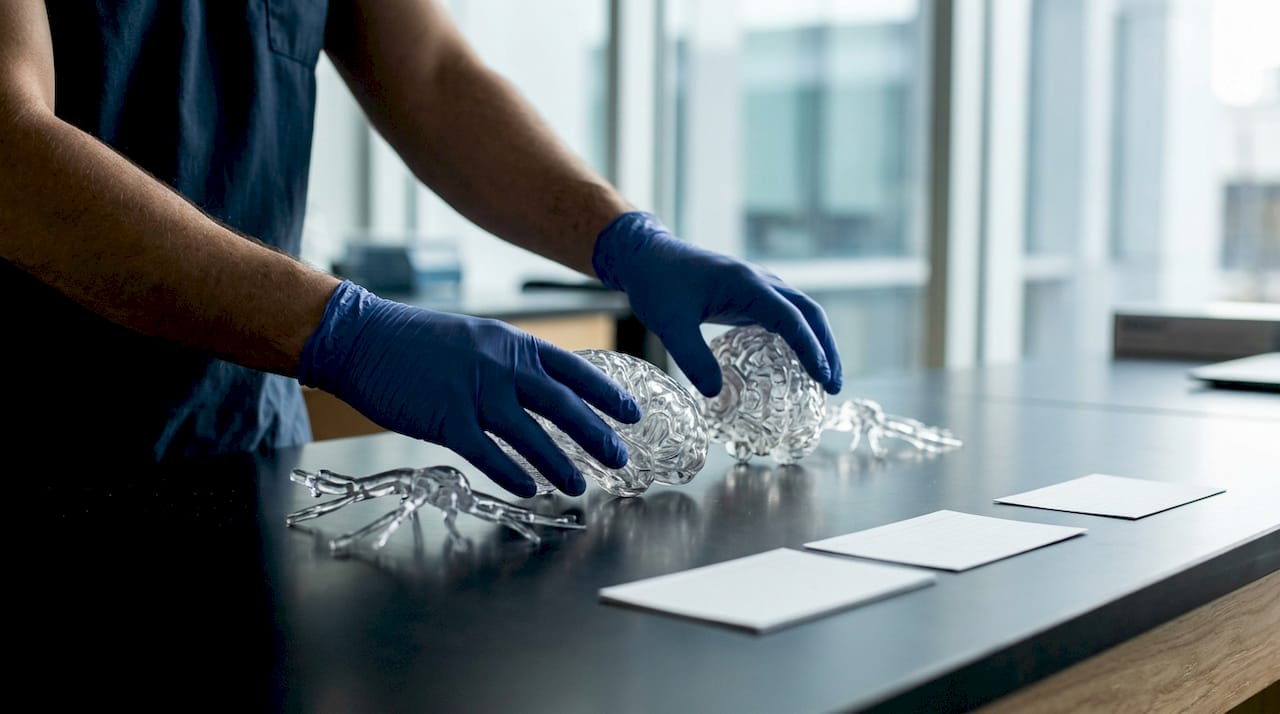
The relationship between chronic pain and mental health is not one-directional. Pain signals travel through the same neurobiologic circuits that regulate mood, fear, and emotional processing. This overlap means that anxiety and depression amplify pain perception while persistent pain simultaneously increases psychological distress. Treating only the physical side of pain leaves half the problem unaddressed.
The psychological effects of chronic pain show up in measurable ways. Depression and anxiety are 3–4 times higher in people with chronic pain than in the general population. That gap reflects how deeply unrelenting pain reshapes a person’s emotional life, not just their body.
The impact on daily functioning is equally serious. Patients commonly experience:
- Fear-avoidance behavior: Pain unpredictability triggers fear of movement, which leads to physical deconditioning and greater disability over time.
- Sleep disruption: Chronic pain interrupts restorative sleep, which directly worsens emotional resilience and increases sensitivity to pain the following day.
- Social isolation: Reduced activity and withdrawal from relationships compound feelings of hopelessness and low mood.
- Cognitive effects: Persistent pain consumes mental bandwidth, impairing concentration, memory, and decision-making.
- Loss of identity: Many adults grieve the activities and roles they can no longer perform, which fuels depression and anxiety.
Understanding how pain affects quality of life is the first step toward addressing it with the right tools.
What integrated strategies support mental health while managing chronic pain?
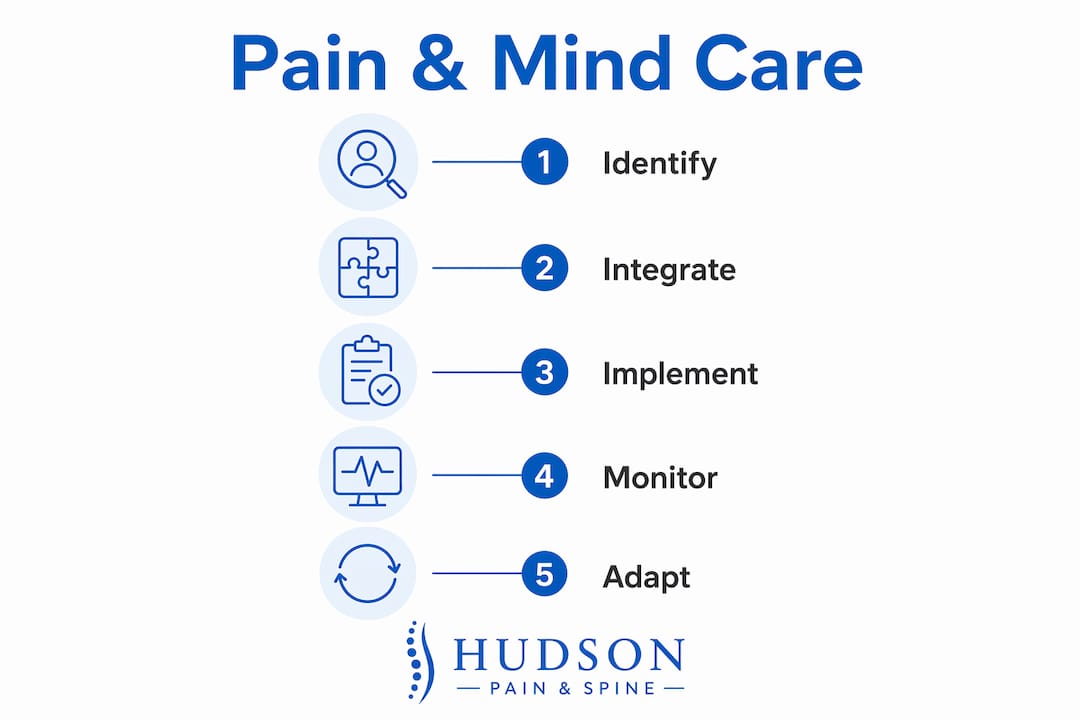
Medical guidelines as of 2026 place self-management approaches like exercise, pacing, and pain education as first-line treatment for chronic pain. Pharmacologic treatments serve as supportive adjuncts, not the foundation. This shift reflects decades of evidence showing that behavioral and psychological interventions produce lasting results that medication alone cannot.
The most effective integrated strategies combine physical, psychological, and behavioral methods:
- Cognitive behavioral therapy (CBT): CBT addresses the maladaptive thoughts and behaviors that keep people trapped in pain cycles. CBT builds coping pathways through persistent cognitive reframing and behavior change, requiring active patient engagement over time. Think of it less like a treatment and more like learning a new skill.
- Mindfulness-based stress reduction (MBSR): MBSR trains attention and awareness to reduce the emotional reactivity that pain triggers. Regular practice lowers sympathetic nervous system arousal, which directly reduces pain intensity.
- Acceptance and commitment therapy (ACT): ACT helps patients pursue meaningful goals despite pain rather than waiting until pain resolves. Mindfulness, relaxation training, and ACT reduce pain intensity and improve mood and sleep, making them practical tools for daily life.
- Pain education: Understanding why pain persists reduces catastrophizing and fear-avoidance. Patients who understand the neuroscience of pain report lower distress and greater confidence in managing symptoms.
- Social support and counseling: Isolation worsens both pain and mood. Structured counseling and peer support groups provide accountability and emotional validation that self-management alone cannot replicate.
Pro Tip: Integrating mental health care like CBT or mindfulness may lead to higher remission rates for chronic pain. Starting psychological therapy early, rather than as a last resort, produces better outcomes.
How to implement daily coping strategies for emotional wellness
Daily structure is the backbone of emotional wellness chronic pain management. Without consistent routines, pain flare-ups and mood crashes feed each other in a destructive cycle. The following steps build a practical daily framework:
- Practice activity pacing. Pacing means setting strict daily activity limits to avoid the boom-and-bust cycle of overexertion followed by forced rest. Proper pacing prevents overactivity and deconditioning, supporting better pain and emotional outcomes over time. Start with a baseline you can sustain on a bad day, then increase gradually.
- Build psychological flexibility. Fear-avoidance behavior predicts long-term disability. Psychological flexibility breaks this cycle by helping you pursue valued activities despite pain, rather than organizing your life around avoiding it.
- Prioritize sleep hygiene. Set consistent sleep and wake times, limit screen exposure before bed, and keep your bedroom cool and dark. Poor sleep amplifies pain sensitivity the next day, so protecting sleep is a direct pain management strategy.
- Use mindfulness and relaxation daily. A 10-minute guided breathing or body scan practice each morning reduces sympathetic arousal before the day’s demands build up. Apps like Calm or Insight Timer offer structured programs for beginners.
- Monitor and set realistic expectations. Keep a brief daily log of pain levels, mood, sleep quality, and activity. Patterns in this data reveal what helps and what triggers flare-ups, giving you and your care team better information.
Pro Tip: Self-management is not a last resort. Patients who treat self-management as foundational rather than a backup plan report better long-term outcomes. Approach it the way you would learning a language: daily practice compounds over months.
The table below summarizes key daily strategies and their primary benefits:
| Daily Strategy | Primary Benefit |
|---|---|
| Activity pacing | Prevents flare-ups and physical deconditioning |
| Mindfulness practice | Reduces stress response and pain sensitivity |
| Sleep hygiene routine | Improves emotional resilience and pain tolerance |
| Psychological flexibility | Supports valued activity despite pain |
| Daily self-monitoring | Identifies triggers and informs care decisions |
When should you seek professional support for chronic pain?
Self-management strategies are powerful, but they work best within a professional care framework. Treating psychological distress as a comorbid condition from the outset rather than as secondary to physical pain produces better functional and emotional outcomes. Waiting until mental health deteriorates significantly before addressing it delays recovery and deepens disability.
Several clear signs indicate it is time to consult a pain specialist or integrated care team:
- Pain has persisted for more than three months despite self-management efforts.
- Depression or anxiety symptoms are interfering with daily activities, relationships, or work.
- Sleep disruption is severe and consistent, lasting more than a few weeks.
- You have stopped activities that matter to you because of fear of pain.
- Current medications are not providing adequate relief or are causing side effects.
Health authorities recommend reviewing pain medication effectiveness and safety at least annually. That review should involve an interdisciplinary team including pain psychologists and physical therapists, not just a prescribing physician. Integrated care teams address the physical, psychological, and functional dimensions of pain simultaneously, which is why they consistently outperform single-provider approaches.
Integrated treatment improves outcomes compared to treating pain alone. This is not a minor advantage. Patients receiving coordinated mental and physical care report lower pain intensity, better function, and greater emotional well-being than those receiving physical treatment only. Exploring advanced treatment for chronic pain with a qualified specialist is a practical next step when self-management reaches its limits.
Key Takeaways
Achieving chronic pain mental health balance requires treating physical symptoms and psychological distress together, using evidence-based self-management, behavioral therapies, and integrated professional care.
| Point | Details |
|---|---|
| Pain and mental health are bidirectional | Chronic pain worsens depression and anxiety, and poor mental health amplifies pain intensity. |
| Self-management is first-line treatment | Exercise, pacing, and pain education are the foundation, not a fallback option. |
| CBT, MBSR, and ACT produce real results | These psychological therapies reduce pain intensity, disability, and emotional distress with consistent practice. |
| Daily structure prevents the pain-mood cycle | Pacing, sleep hygiene, and mindfulness routines break the boom-and-bust pattern that deepens both pain and distress. |
| Integrated professional care outperforms solo treatment | Multidisciplinary teams addressing mental and physical health together achieve better functional outcomes. |
What I’ve learned about treating pain and mental health as one system
After years of observing how patients respond to chronic pain treatment, the clearest pattern I see is this: the patients who improve most are the ones who stop separating their mental health from their physical pain. They stop saying “I’ll work on my anxiety once the pain is under control.” They treat both at the same time, because the biology demands it.
CBT and psychological flexibility are not soft add-ons to a pain management plan. They are mechanistically effective. The brain circuits that process pain overlap directly with those that regulate fear and mood. Addressing one without the other is like treating half a diagnosis.
What I find most underappreciated is that self-management requires the same commitment as learning a sport or a language. Patients who approach it with that mindset, practicing daily even when progress feels slow, consistently outperform those who treat it as a temporary fix. The role of physical therapy in pain management fits into this same framework: it is most effective when paired with psychological support and consistent daily habits.
Seek compassionate, multidisciplinary support early. Do not wait for a crisis. The evidence is clear that early integrated care produces better outcomes than reactive treatment. You deserve a care team that treats your whole experience, not just the part that shows up on an imaging scan.
Hudson Pain and Spine’s approach to chronic pain and mental health
Chronic pain does not exist in isolation from your emotional life, and neither should your treatment plan. At Hudson Pain and Spine, the clinical team coordinates evidence-based care that addresses both the physical and psychological dimensions of persistent pain.
Hudson Pain and Spine offers a full range of pain management services across Northern and Central New Jersey, including minimally invasive interventional treatments, medication review, and coordinated care planning. Whether you are managing back pain, sciatica, nerve pain, or headaches, the team builds a personalized plan that supports your function and your well-being. Schedule a consultation at a convenient location and take a concrete step toward balanced, integrated care.
FAQ
Is there a link between chronic pain and depression?
Yes. Depression and anxiety occur 3–4 times more often in people with chronic pain than in the general population. The two conditions share overlapping neurobiologic pathways, which is why treating both together produces better outcomes.
What is the most effective therapy for chronic pain and mental health?
Cognitive behavioral therapy (CBT), mindfulness-based stress reduction (MBSR), and acceptance and commitment therapy (ACT) are the most evidence-supported psychological therapies for chronic pain. Each reduces pain intensity, emotional distress, and disability when practiced consistently.
How does sleep affect chronic pain and mood?
Poor sleep caused by chronic pain directly worsens emotional resilience and increases pain sensitivity the following day. Improving sleep hygiene is a direct pain management strategy, not just a comfort measure.
When should I see a specialist for chronic pain and mental health?
Consult a pain specialist or integrated care team when pain has persisted for more than three months, when depression or anxiety is interfering with daily life, or when current treatments are not providing adequate relief. Early integrated care consistently produces better outcomes than waiting.
Can self-management replace medication for chronic pain?
Self-management approaches like exercise, pacing, and psychological therapy are first-line treatments, with medication serving as a supportive adjunct. For many patients, consistent self-management significantly reduces reliance on pharmacologic treatment, though individual needs vary and should be reviewed with a qualified clinician.
Recommended
- Enough is enough: advanced treatment for chronic pain | Hudson Pain and Spine Blog
- Chronic Pain Treatment Options Explained for Adults | Hudson Pain and Spine Blog
- How your daily commute leads to chronic pain | Hudson Pain and Spine Blog
About the Medical Reviewer
Dr. Saurabh Dang is a double board-certified interventional pain management specialist serving Central and Northern New Jersey. He combines clinical expertise with a patient-centered approach to help patients find lasting relief from chronic pain conditions.
Read Full Bio →Seeking Treatment for Chronic Pain?
Dr. Dang and the team at Hudson Pain and Spine offer specialized care and advanced interventional treatments.
Ready to Find Relief from Pain?
Schedule your consultation with Dr. Saurabh Dang at our Englewood office.
Serving patients across Central and Northern New Jersey — Bergen, Passaic, and Middlesex counties.