
Functional Pain Disorder Explained: Causes and Treatment

Medically reviewed by
Dr. Saurabh Dang, MD, MBA
Functional Pain Disorder Explained: Causes and Treatment

Functional pain disorder is defined as chronic pain that persists without identifiable structural damage, tissue injury, or clear organic disease. The medical community increasingly refers to this condition as nociplastic pain, a term that acknowledges its biological basis in altered central nervous system processing rather than imagined or exaggerated symptoms. Symptom duration for diagnosis typically spans at least 3 months, and up to 6 months for conditions like centrally mediated abdominal pain syndrome. Understanding what is functional pain disorder matters because millions of adults live with real, disabling pain that standard tests simply cannot explain.
What causes functional pain disorder?
Functional pain disorder originates in the nervous system, not in damaged tissue. The central nervous system begins processing pain signals abnormally, amplifying sensations that would not register as painful in a healthy pain pathway. This mechanism is called nociplastic pain, and it represents a third category of pain distinct from nociceptive pain (caused by tissue damage) and neuropathic pain (caused by nerve injury).
Several biological and psychosocial factors drive this altered processing:
- Central sensitization: The brain and spinal cord become hypersensitive, lowering the threshold for pain signals.
- Gut-brain axis disruption: For gastrointestinal functional pain, bidirectional gut-brain communication remodels neural pathways and causes visceral hypersensitivity.
- Psychological stressors: Anxiety, depression, and life stress are common among functional pain patients and contribute directly to nervous system sensitization.
- Social context: Isolation, trauma history, and lack of social support reinforce pain amplification cycles.
The pain is biologically real. Stress and life events alter pain processing at the neurological level, not merely the psychological one. This distinction matters because it shifts treatment away from searching for a hidden injury and toward regulating the nervous system itself.
Pro Tip: Once a physician has ruled out structural causes through appropriate testing, avoid pursuing additional imaging or invasive procedures. Excessive testing reinforces health anxiety and rarely changes the diagnosis or treatment plan for functional pain syndrome.

What are the symptoms and types of functional pain disorders?
Functional pain syndrome presents differently from person to person, but several patterns appear consistently. Patients typically report pain that is persistent, widespread or localized, and disproportionate to any physical findings. The condition also carries a cluster of associated symptoms that extend beyond pain itself.
Common symptoms include:
- Persistent pain lasting weeks, months, or years
- Heightened sensitivity to touch, temperature, or pressure (allodynia or hyperalgesia)
- Fatigue, mood disturbances, and sleep problems that accompany the pain
- Difficulty concentrating or reduced cognitive function
- Gastrointestinal symptoms such as bloating, nausea, or altered bowel habits
Functional pain disorders span a wide spectrum of recognized conditions. Fibromyalgia involves widespread musculoskeletal pain with fatigue and sleep disruption. Functional abdominal pain syndrome causes recurring abdominal pain without any structural gastrointestinal disease. Tension-type headache is one of the most common functional pain presentations, driven by central sensitization rather than vascular or structural causes. Functional gastrointestinal disorders affect approximately 23.1% of pediatric patients, which shows that these conditions are not limited to adults.
The table below compares the three main pain categories to clarify where functional pain fits.
| Feature | Functional (nociplastic) pain | Nociceptive pain | Neuropathic pain |
|---|---|---|---|
| Cause | Altered CNS pain processing | Tissue damage or inflammation | Nerve injury or disease |
| Structural findings | None | Present | Often present |
| Pain character | Widespread, variable, hypersensitive | Localized, aching, proportionate | Burning, shooting, electric |
| Response to NSAIDs | Limited | Often effective | Limited |
| Primary treatment target | Central nervous system | Peripheral inflammation | Nerve pathway |
Recognizing which category your pain falls into is the first step toward getting the right treatment. Patients who receive nociceptive treatments for functional pain often see little improvement, which adds to frustration and delays recovery.
How is functional pain disorder diagnosed?
Diagnosing functional pain disorder follows a structured process of exclusion. No single test confirms the condition. Instead, clinicians rule out structural and organic causes before applying clinical criteria based on symptom duration, frequency, and pattern.
The diagnostic process generally follows these steps:
- Comprehensive medical history: The clinician documents pain location, duration, triggers, and associated symptoms in detail.
- Physical examination: A thorough exam identifies any signs of structural disease, nerve damage, or inflammation.
- Targeted laboratory and imaging tests: Extensive testing rules out structural disease before the diagnosis proceeds by exclusion.
- Symptom duration assessment: Pain must persist for at least 3 months, and some criteria require 6 months of documented symptoms.
- Multidisciplinary evaluation: A pain specialist, gastroenterologist, psychologist, or neurologist may each contribute to the final diagnosis depending on the symptom profile.
Diagnosing functional pain disorder carries real challenges. Patients often feel dismissed when tests return normal results, and clinicians may continue ordering additional studies in search of a missed diagnosis. Red flags that warrant continued investigation include unexplained weight loss, blood in stool, fever, or neurological deficits. When those red flags are absent, the diagnosis of exclusion stands.
Pro Tip: If you are waiting for a diagnosis and feel anxious about normal test results, ask your doctor to explain what the results rule out rather than what they leave unanswered. Reframing normal results as evidence of nervous system involvement rather than a missed disease reduces health anxiety and supports better symptom management.
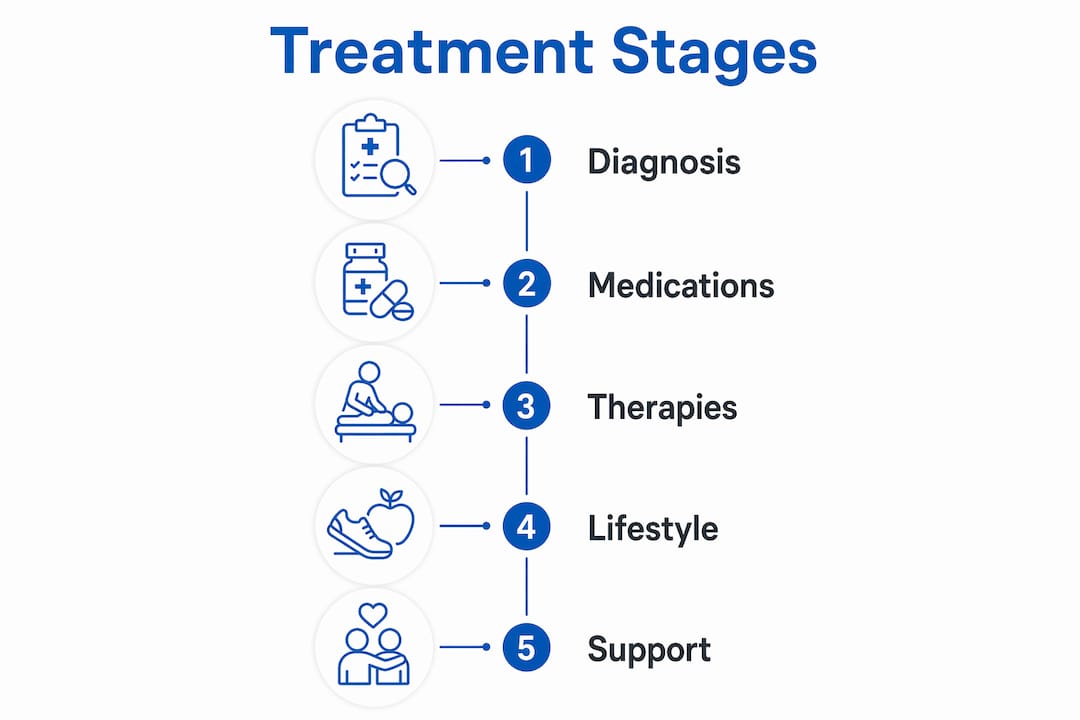
What treatment options are available for functional pain disorder?
Functional pain management requires a different strategy than treating a broken bone or an inflamed joint. Because the problem lies in how the nervous system processes pain, treatments that target peripheral tissue often fall short. Painkillers like NSAIDs or opioids are frequently ineffective or counterproductive for nociplastic pain. The most effective approach combines nervous system modulation with psychological and physical therapies.
The table below summarizes the main treatment categories and their primary effects.
| Treatment category | Examples | Primary effect |
|---|---|---|
| Neuromodulating medications | Low-dose tricyclics, SNRIs, gabapentinoids | Reduce central sensitization |
| Cognitive behavioral therapy (CBT) | Pain-focused CBT, acceptance and commitment therapy | Reframe pain perception and reduce avoidance |
| Physical therapy | Graded exercise, desensitization, manual therapy | Restore function and reduce hypersensitivity |
| Interventional procedures | Spinal cord stimulation, nerve blocks | Modulate pain signal transmission |
| Self-management techniques | Stress reduction, sleep hygiene, activity pacing | Stabilize nervous system baseline |
Key principles for managing chronic functional pain include:
- Address psychological factors alongside physical symptoms. Anxiety and depression are not just consequences of pain. They actively sustain central sensitization and must be treated directly.
- Use graded activity, not rest. Prolonged inactivity worsens central sensitization. Physical therapy uses graded exposure to movement to recalibrate the nervous system’s pain response.
- Set realistic goals. The aim of treatment is symptom regulation and improved function, not complete elimination of pain. Patients who understand this shift their focus productively.
- Coordinate care across providers. Management success hinges on coordinated teams including pain specialists, psychologists, physical therapists, and primary care providers.
Neuromodulators work differently from conventional analgesics. They act on central pain processing pathways rather than peripheral inflammation sites, which is why they produce results when standard pain medications do not. For patients with severe or refractory functional pain, interventional options like spinal cord stimulation offer an additional layer of nervous system modulation.
Key Takeaways
Functional pain disorder is a biologically real condition driven by altered nervous system pain processing, and it requires treatment strategies that target the central nervous system rather than peripheral tissue.
| Point | Details |
|---|---|
| Biological basis is real | Functional pain arises from central sensitization, not imagination or exaggeration. |
| Diagnosis takes time | Symptoms must persist for at least 3 months before a diagnosis of exclusion is confirmed. |
| Standard painkillers underperform | NSAIDs and opioids are often ineffective; neuromodulating medications produce better results. |
| Multidisciplinary care works best | Pain specialists, psychologists, and physical therapists together produce better outcomes than any single provider. |
| Goal is regulation, not cure | Effective treatment shifts focus from eliminating pain to stabilizing the nervous system and restoring function. |
What I’ve learned from watching patients navigate functional pain
The most damaging misconception I encounter is the idea that functional pain is “just stress” or “all in your head.” That framing sends patients down a frustrating path of seeking more tests, more scans, and more specialist opinions. It delays the treatment that actually helps.
What I have observed is that patients who receive a clear explanation of central sensitization early in their care do significantly better. When you understand that your nervous system has become hypersensitive rather than that something is broken and undetected, you stop fighting the diagnosis and start working with it. That shift is not trivial. It changes how patients engage with therapy, how they respond to setbacks, and how they communicate with their care team.
The other thing worth saying plainly: chronic pain treatment for functional disorders is not a straight line. Patients improve, plateau, and sometimes flare. The goal is a trend toward better function over months, not a dramatic reversal in weeks. Providers who set that expectation honestly build far more trust than those who promise a fix.
Advocate for yourself in clinical settings. Ask specifically whether your care plan addresses both the physical and psychological dimensions of your pain. If it does not, ask why. A good pain specialist will welcome that question.
Hudson Pain and Spine offers specialized care for functional pain disorder
Chronic functional pain does not respond to a one-size-fits-all approach. Hudson Pain and Spine provides multidisciplinary pain management across Northern and Central New Jersey.
The clinical team offers evidence-based treatments specifically suited to nociplastic and functional pain conditions, including neuromodulation therapies, interventional procedures, and coordinated care with physical and psychological support. Patients across Bergen, Passaic, and Middlesex counties can access pain management services at multiple convenient locations. Scheduling a consultation is the first concrete step toward understanding your pain and building a treatment plan that fits your life.
FAQ
What is functional pain disorder in simple terms?
Functional pain disorder is chronic pain caused by abnormal nervous system processing rather than tissue damage or disease. The pain is real and biologically based, even when medical tests return normal results.
Is functional pain disorder the same as fibromyalgia?
Fibromyalgia is one type of functional pain disorder, characterized by widespread musculoskeletal pain, fatigue, and sleep disturbances. Both conditions share the same underlying mechanism of central sensitization.
How long does it take to diagnose functional pain syndrome?
Diagnosis typically requires symptoms to persist for at least 3 months, and some criteria extend that to 6 months. The process involves ruling out structural causes before confirming the diagnosis.
Can functional pain disorder be treated effectively?
Yes, with the right approach. Treatments targeting the central nervous system, including neuromodulating medications, cognitive behavioral therapy, and physical therapy, produce meaningful improvement in most patients.
Why do normal painkillers not work for functional pain?
Standard analgesics like NSAIDs target peripheral inflammation, which is not the source of functional pain. Nociplastic pain requires medications and therapies that act on central pain processing pathways instead.
Recommended
- Why Athletes Develop Chronic Pain: Causes and Solutions | Hudson Pain and Spine Blog
- Chronic Pain Treatment Options Explained for Adults | Hudson Pain and Spine Blog
- What Is Multimodal Pain Treatment: A Clear Guide | Hudson Pain and Spine Blog
- Nerve Pain Explained: Causes, Symptoms, and Advanced Treatment Options in New Jersey | Hudson Pain and Spine Blog
About the Medical Reviewer
Dr. Saurabh Dang is a double board-certified interventional pain management specialist serving Central and Northern New Jersey. He combines clinical expertise with a patient-centered approach to help patients find lasting relief from chronic pain conditions.
Read Full Bio →Seeking Treatment for Chronic Pain?
Dr. Dang and the team at Hudson Pain and Spine offer specialized care and advanced interventional treatments.
Ready to Find Relief from Pain?
Schedule your consultation with Dr. Saurabh Dang at our Englewood office.
Serving patients across Central and Northern New Jersey — Bergen, Passaic, and Middlesex counties.