
Outpatient Pain Procedure Options: Your 2026 Guide

Medically reviewed by
Dr. Saurabh Dang, MD, MBA
Outpatient Pain Procedure Options: Your 2026 Guide
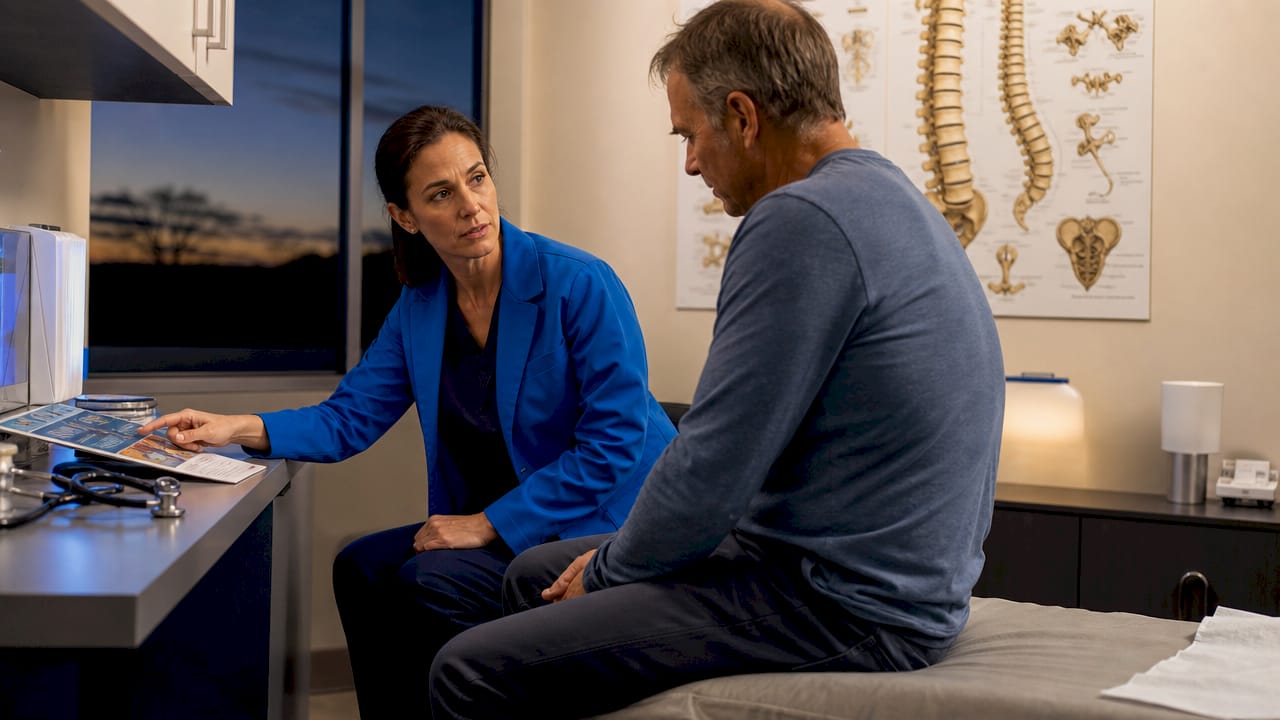
Outpatient pain procedure options are minimally invasive treatments designed to relieve chronic pain by directly targeting affected nerves, joints, or tissues. Unlike surgery or long-term drug therapy, these procedures are performed in a clinical or ambulatory setting and allow patients to return home the same day. The American Society of Interventional Pain Physicians recognizes interventional pain management as a distinct specialty focused on precise, anatomy-based treatment. Over 9 million epidural steroid injections are performed annually in the United States alone. That number reflects how widely patients and physicians have embraced outpatient care as a first-line strategy for chronic pain relief.
The core principle behind these treatments is straightforward. Rather than masking pain with systemic medications, image-guided therapy targets the actual source of pain, whether that is an inflamed nerve root, a worn facet joint, or a damaged sacroiliac joint. Ambulatory Surgery Centers (ASCs) are the most common setting for these procedures, offering a focused environment built specifically for outpatient care.

1. What are the most common outpatient pain procedure options?
Interventional pain management covers a broad range of procedures. Each one targets a specific pain source and suits a different patient profile.
-
Epidural steroid injections (ESIs): The most frequently performed outpatient pain procedure in the U.S., ESIs deliver corticosteroids directly into the epidural space to reduce inflammation around spinal nerve roots. They are commonly used for radiculopathy, sciatica, and herniated disc pain. Patients can expect epidural steroid injections to begin working within a few days of treatment.
-
Nerve blocks: These injections interrupt pain signals along specific nerve pathways. Sympathetic nerve blocks treat conditions like complex regional pain syndrome, while peripheral nerve blocks address localized pain in the limbs, head, or face.
-
Radiofrequency ablation (RFA): RFA uses heat generated by radio waves to disable the nerve fibers transmitting pain signals from facet joints or the sacroiliac joint. RFA relief typically lasts 6–18 months, making it one of the longer-lasting outpatient options available.
-
Joint injections: Corticosteroid injections reduce joint inflammation rapidly, with relief beginning within 1–3 days. Hyaluronic acid injections work more gradually, taking 2–4 weeks to reduce stiffness and pain, and are commonly used for knee osteoarthritis.
-
Platelet-rich plasma (PRP) therapy: PRP uses a concentration of the patient’s own platelets to promote tissue healing. It is used for tendon injuries, joint degeneration, and soft tissue damage.
-
Intrathecal pump therapy: A small pump is implanted under the skin to deliver pain medication directly to the spinal fluid. This option is reserved for patients with severe chronic pain who have not responded to other treatments. Hudson Pain and Spine offers intrathecal pump therapy as part of its advanced pain management program.
-
Spinal cord stimulation (SCS): SCS delivers mild electrical impulses to the spinal cord to interrupt pain signals before they reach the brain. It is particularly effective for failed back surgery syndrome and complex neuropathic pain.
Pro Tip: Ask your physician whether a diagnostic nerve block is appropriate before committing to RFA. A successful block predicts a much better RFA outcome.
2. How should patients prepare for outpatient pain procedures?
Good preparation directly affects both safety and results. Follow these steps before your procedure date.
-
Disclose all medications and supplements. Blood thinners, Vitamin E, fish oil, and diabetes medications like Ozempic must be paused 7–10 days before most interventional procedures. Coordinate any changes with your prescribing physician, not just your pain specialist.
-
Review your medical history with your care team. Thorough evaluation including MRI review helps identify the exact pain generator before any procedure begins. Bring imaging results and a complete list of prior treatments to your consultation.
-
Follow fasting instructions. If sedation is planned, your care team will give you specific fasting guidelines, typically nothing by mouth for several hours before arrival.
-
Arrange a responsible driver. Patients receiving sedation require a responsible adult to drive them home. Ride-share services alone are often not permitted under clinic safety policies, even if you feel alert after the procedure.
-
Plan your appointment time. Standard outpatient pain appointments run approximately 120–150 minutes from arrival to discharge. Block out at least half a day and plan for light activity only afterward.
-
Prepare emotionally. Anxiety before procedures is normal. Bring headphones, practice slow breathing, and ask your care team about comfort measures available during the procedure.
Pro Tip: Read the pain management consultation guide from Hudson Pain and Spine before your first appointment. It covers what questions to ask and what documents to bring.
3. What are the benefits and limitations of outpatient pain procedures?
Outpatient procedures offer real advantages over systemic drug treatment and surgery, but they are not the right fit for every patient.
“Interventional pain management shifts focus from systemic drugs to precise anatomical treatment, improving both efficacy and safety.” — American Academy of Osteopathic Pain Management
Benefits
Targeted delivery means the medication or energy reaches the exact tissue causing pain, reducing the need for high-dose oral medications with their systemic side effects. Recovery is fast. Most patients go home within a few hours and resume light activity within a day or two. ASCs provide cost savings of 45–60% compared to hospital outpatient departments, and they carry lower infection rates because they handle fewer emergency cases.
Limitations
Not every patient qualifies. Active infection, certain bleeding disorders, or uncontrolled diabetes can rule out specific procedures. Some treatments require multiple sessions before delivering full benefit. RFA, for example, lasts 6–18 months and may need to be repeated. Insurance coverage varies by procedure and diagnosis, so verifying benefits before scheduling is worth the effort.
| Factor | Outpatient procedure | Systemic medication |
|---|---|---|
| Targets pain source | Yes, directly | No, body-wide effect |
| Infection risk | Low (especially in ASCs) | Minimal |
| Recovery time | Hours to one day | Ongoing daily use |
| Duration of relief | Weeks to 18 months | Requires continuous dosing |
| Cost setting | ASC: significantly lower | Variable by drug |
Outpatient procedures work best as part of a multidisciplinary plan that may also include physical therapy and behavioral health support. Read more about how chronic pain treatment options compare across different approaches.
4. How do imaging technologies improve outpatient pain procedures?
Image guidance is not optional in modern interventional pain management. It is the standard of care.
-
Fluoroscopy: Real-time X-ray imaging that allows the physician to watch needle placement as it happens. Fluoroscopy is the most widely used guidance method for spinal injections and RFA.
-
Ultrasound: Provides live soft-tissue visualization without radiation. Ultrasound guidance is preferred for peripheral nerve blocks and joint injections near blood vessels.
-
CT guidance: Used for complex cases where anatomy is difficult to visualize with fluoroscopy alone, such as deep sympathetic nerve blocks.
Imaging tools allow safe needle placement, reduce tissue trauma, and confirm targeting accuracy in real time. That precision translates directly into better outcomes and fewer complications for patients.
| Imaging method | Primary use | Key advantage |
|---|---|---|
| Fluoroscopy | Spinal injections, RFA | Real-time bony landmark visualization |
| Ultrasound | Peripheral nerve blocks, joint injections | No radiation, soft-tissue detail |
| CT guidance | Deep nerve blocks | High anatomical precision |
Patients benefit from asking their provider which imaging method will be used and why. The answer tells you a great deal about the quality of care you are receiving.
Key takeaways
Outpatient pain procedures deliver targeted, minimally invasive relief by treating the anatomical source of pain directly, making them a safer and often more cost-effective alternative to surgery or long-term systemic medication.
| Point | Details |
|---|---|
| Procedures target the pain source | Image-guided techniques treat the exact nerve, joint, or tissue causing pain. |
| Preparation directly affects outcomes | Disclose all medications and arrange a driver before your procedure date. |
| ASCs reduce cost and infection risk | Ambulatory Surgery Centers cost 45–60% less than hospital outpatient departments. |
| Relief duration varies by procedure | RFA lasts 6–18 months; joint injections may need repeating sooner. |
| Patient selection is critical | MRI review and clinical evaluation determine which procedure fits your condition. |
Hudson Pain and Spine’s outpatient pain management services in New Jersey
Hudson Pain and Spine serves patients across Bergen, Passaic, and Middlesex counties with a full range of outpatient interventional pain treatments.
Whether you are dealing with sciatica, facet joint pain, chronic knee pain, or migraine headaches, the team offers outpatient pain management services at multiple convenient New Jersey locations. Procedures are performed with image guidance in ASC-level facilities, keeping both safety and cost in check. Scheduling a consultation is the first step toward a treatment plan built around your specific diagnosis, not a one-size-fits-all protocol.
FAQ
What is an outpatient pain procedure?
An outpatient pain procedure is a minimally invasive treatment performed in a clinic or Ambulatory Surgery Center that allows patients to go home the same day. Common examples include epidural steroid injections, nerve blocks, and radiofrequency ablation.
How long does an outpatient pain procedure appointment take?
Most outpatient pain appointments run approximately 120–150 minutes from arrival to discharge, including preparation, the procedure itself, and a brief recovery period.
Do I need someone to drive me home after a pain procedure?
Yes. Patients who receive sedation are required to have a responsible adult driver. Ride-share services alone are typically not permitted under clinic safety policies.
How long does pain relief last after these procedures?
Relief duration varies by procedure. Radiofrequency ablation typically lasts 6–18 months, corticosteroid joint injections begin working within 1–3 days, and hyaluronic acid injections take 2–4 weeks to reach full effect.
Are outpatient pain procedures covered by insurance?
Coverage depends on the specific procedure and your diagnosis. Many interventional pain procedures are covered when medically necessary, but verifying your benefits with your insurer before scheduling is the right move.
Recommended
-
Pain Management Services Englewood NJ | Hudson Pain and Spine
-
Image-Guided Pain Injections: 9 Key Examples Explained | Hudson Pain and Spine Blog
-
Chronic Pain Treatment Options Explained for Adults | Hudson Pain and Spine Blog
-
Living with Osteoarthritis: How Interventional Pain Management Can Help | Hudson Pain and Spine Blog
About the Medical Reviewer
Dr. Saurabh Dang is a double board-certified interventional pain management specialist serving Central and Northern New Jersey. He combines clinical expertise with a patient-centered approach to help patients find lasting relief from chronic pain conditions.
Read Full Bio →Seeking Treatment for Nerve Block Injections?
Dr. Dang and the team at Hudson Pain and Spine offer specialized care and advanced interventional treatments.
Ready to Find Relief from Pain?
Schedule your consultation with Dr. Saurabh Dang at our Englewood office.
Serving patients across Central and Northern New Jersey — Bergen, Passaic, and Middlesex counties.