
Best Elbow Bursitis Treatment Options in 2026

Medically reviewed by
Dr. Saurabh Dang, MD, MBA
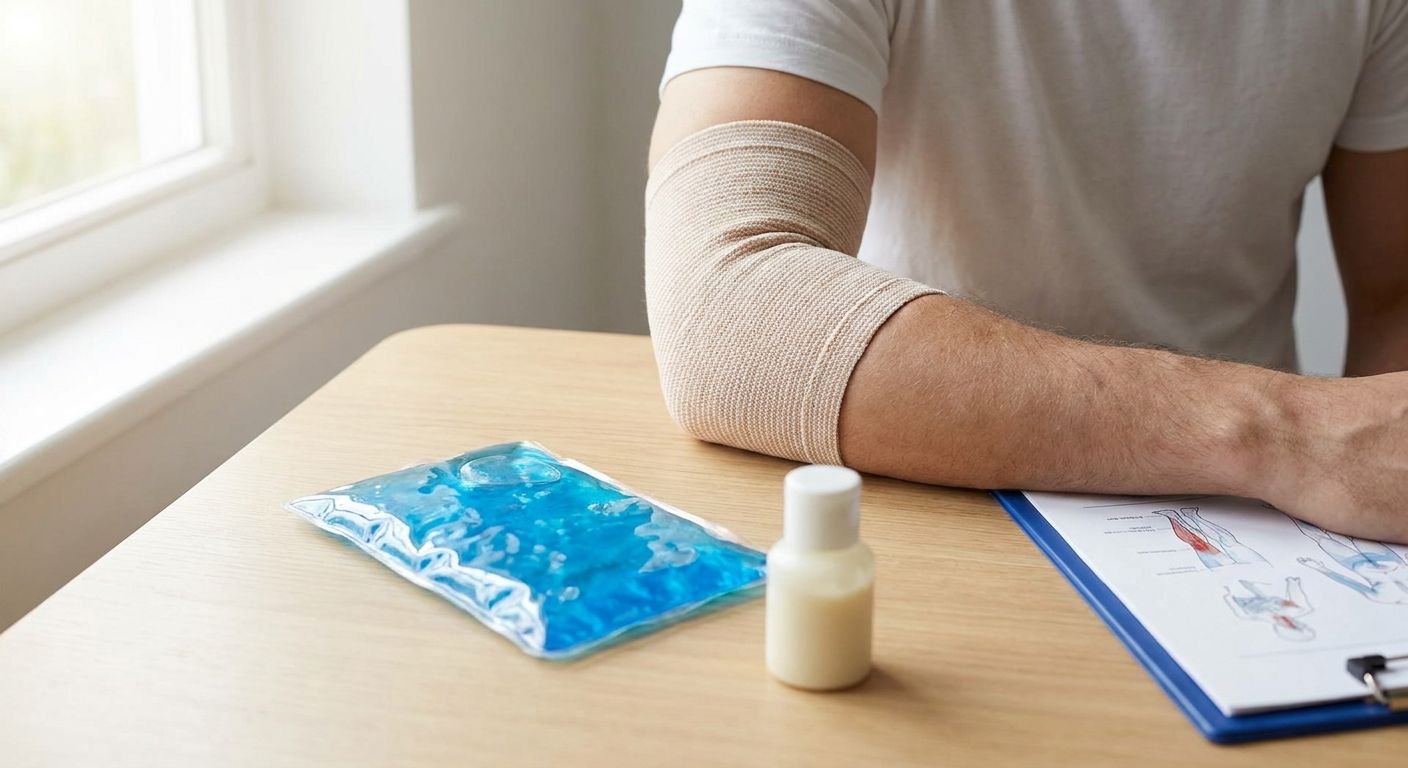
Elbow bursitis treatment in 2026 centers on reducing bursa swelling, clearing infection when present, and restoring pain-free elbow motion without rushing into surgery.
TL;DR
- RICE plus NSAIDs is first-line elbow bursitis treatment for most aseptic cases in 2026.
- Infected (septic) bursitis needs antibiotics and often aspiration—do not inject steroids.
- Corticosteroid injection helps stubborn non-infected swelling after conservative care fails.
- Bursectomy is last-line; most patients improve without open surgery.
- Hudson Pain and Spine evaluates persistent elbow bursitis when home care stalls.
Why this matters
Olecranon bursitis—the swollen “goose egg” on the tip of the elbow—is the most common form of elbow bursitis. It flares after repetitive leaning, direct trauma, inflammatory arthritis, or infection. Untreated septic bursitis can spread. Chronic aseptic bursitis limits work, sleep, and sport. Choosing the right elbow bursitis treatment sequence in 2026 avoids months of swelling and unnecessary procedures.
Patients in Bergen, Passaic, and Middlesex counties often try ice and over-the-counter pills first. That works for many. When swelling returns within days, the bursa stays warm and red, or motion stays locked, a board-certified interventional pain specialist can confirm the diagnosis and escalate care with targeted procedures rather than open surgery.
How we ranked
Rankings reflect standard orthopedic and interventional pain practice patterns used in 2026, not a single lab study. We weighted five factors:
- Safety for septic versus aseptic bursitis
- Speed of swelling and pain reduction
- Need for imaging, lab work, or a procedure suite
- Durability of relief and recurrence risk
- Whether most patients can start the option without a hospital stay
First-line conservative care scores highest when infection is ruled out. Procedures that drain fluid or deliver anti-inflammatory medication rank next for cases that fail 1–2 weeks of rest and medication. Surgery ranks last because open bursectomy carries wound and infection risk at a thin-skinned elbow tip. Options that worsen septic bursitis—especially corticosteroid injection into an infected bursa—are flagged for skip. This guide is educational; individual plans depend on exam, fluid analysis, and imaging when indicated.
The ranked list
1. RICE and activity modification — the foundation
Hook: The safe default for mild aseptic elbow bursitis.
Rest the elbow from direct pressure, ice 15–20 minutes several times daily, use a soft compressive wrap, and keep the joint slightly elevated when sitting. Pad work surfaces and avoid leaning on the olecranon. Most first episodes settle within 1–2 weeks when mechanical irritation stops.
Why now: You can start the same day without a prescription. Skipping padding is the main reason swelling returns.
Verdict: Buy as step one for non-infected bursitis.
2. Oral NSAIDs and short-course analgesics — the workhorse meds
Hook: Pharmacologic support while the bursa calms.
Ibuprofen or naproxen, taken as directed with food for several days, reduces inflammatory fluid production. Acetaminophen helps pain when NSAIDs are contraindicated. A clinician may prescribe a brief stronger anti-inflammatory if over-the-counter dosing fails.
Concrete detail: Typical OTC NSAID courses for soft-tissue flare run about 5–10 days under label guidance, longer only with clinician oversight.
Verdict: Buy for aseptic pain and swelling unless you have kidney disease, ulcer history, or anticoagulant restrictions—then ask your physician first.
3. Bursa aspiration (drainage) — the fast volume reset
Hook: Removes the fluid pocket when the “goose egg” stays large.
Under sterile technique, a clinician aspirates olecranon bursa fluid with a needle and syringe. Fluid goes for cell count, Gram stain, and culture when infection is possible. Immediate volume drop improves cosmesis and pressure pain.
Why it matters: Aspiration alone often recurs if the mechanical cause continues, but it is essential when you need fluid analysis or rapid decompression before other steps.
Verdict: Buy when swelling is tense, diagnosis is uncertain, or septic bursitis is on the table.
4. Antibiotic therapy — non-negotiable for septic bursitis
Hook: Treats infection; everything else waits.
Staphylococcus aureus is a frequent culprit in septic olecranon bursitis. Oral antibiotics cover many early cases; IV therapy and possible surgical drainage apply when systemic signs, rapid spread, or failed oral treatment appear. Never inject corticosteroid into a suspected infected bursa.
Concrete detail: Clinicians often reassess within 48–72 hours after starting antibiotics to confirm fever, redness, and pain are trending down.
Verdict: Buy immediately if the elbow is hot, red, increasingly painful, or you have fever—same-day care, not watchful waiting.
5. Corticosteroid injection — targeted anti-inflammatory for stubborn aseptic cases
Hook: The specialist step after conservative care plateaus.
After infection is excluded, a corticosteroid can be placed into or around the irritated bursa, sometimes after aspiration in the same visit. Relief of inflammatory pain often begins within days. This is a core interventional option at practices such as Hudson Pain and Spine when home care and oral meds are not enough.
Why now in 2026: Image guidance and sterile technique keep risk low in properly selected aseptic patients. Repeat injections are limited; recurrent flares trigger a search for gout, rheumatoid arthritis, or ongoing trauma.
Verdict: Consider for persistent aseptic elbow bursitis treatment after 1–2 weeks of failed conservative care.
6. Physical therapy and padding strategies — rebuild tolerance
Hook: Stops the cycle of re-irritation.
A therapist addresses triceps and forearm flexibility, scapular control, and work-station setup. Custom or off-the-shelf elbow pads protect the olecranon during desk work, plumbing, or sport. Therapy does not empty a large fluid sac overnight; it lowers recurrence after medical treatment.
Verdict: Buy alongside medical care, especially for workers and athletes who lean or fall on the elbow repeatedly. Climbers and overhead athletes with mixed elbow issues may also need evaluation beyond bursitis alone—see related guidance on rock climbers with shoulder and elbow pain.
7. Platelet-rich plasma (PRP) — selective adjunct
Hook: Biologic option when inflammation and soft-tissue irritation linger.
PRP concentrates platelets from your blood and delivers growth factors to injured soft tissue. Evidence for olecranon bursitis specifically is thinner than for some tendons and joints, so it is not first-line elbow bursitis treatment in 2026. It may enter the plan for concurrent tendinopathy or refractory aseptic irritation after standard steps.
Learn how platelet-rich plasma therapy treats joint pain when bursitis overlaps other joint problems.
Verdict: Hold unless a specialist documents failed conventional care and a clear soft-tissue target.
8. Surgical bursectomy — last line
Hook: Removes the bursa when infection, fistula, or refractory swelling will not resolve.
Open or endoscopic bursectomy excises the sac. Wound healing over the olecranon is notoriously slow because of thin skin and constant pressure. Reserve surgery for chronic septic bursitis, recurrent infected collections, or aseptic cases that fail exhaustive non-operative care.
Verdict: Wait until non-surgical elbow bursitis treatment has been fully tried, except for clear surgical infections.
9. What to skip early — unproven gadgets and blind steroid use
Long courses of opioids, repeated unguided injections without infection workup, and aggressive massage directly on an acutely swollen infected bursa do more harm than good. Heat on a hot, red elbow can worsen infection-related inflammation.
Verdict: Skip opioids as primary therapy and Skip steroid injection until septic bursitis is ruled out.
Elbow swelling not settling?
Board-certified pain specialists in Englewood, Woodland Park, and Edison, NJ.
Comparison table
| Treatment | Best for | Infection safe? | Typical timing | Invasive? | Verdict |
|---|---|---|---|---|---|
| RICE + padding | Mild aseptic flare | Yes | Days 1–14 | No | Buy |
| Oral NSAIDs | Pain + inflammation | Yes (meds don’t treat bacteria) | 5–10 days common | No | Buy |
| Aspiration | Tense swelling, fluid labs | Yes—often required | Same visit | Needle | Buy |
| Antibiotics | Septic bursitis | Required | Start ASAP | No / sometimes IV | Buy |
| Corticosteroid injection | Stubborn aseptic cases | No—avoid if septic | After failed conservative care | Needle | Consider |
| Physical therapy + pads | Recurrence prevention | Yes | Ongoing | No | Buy |
| PRP | Select refractory / mixed soft tissue | Case-by-case | After standard care | Injection | Hold |
| Bursectomy | Failed non-op or complex infection | Selected septic cases | Last line | Surgery | Wait |
Where to get care
- Start with urgent evaluation if red, hot, or febrile. Septic olecranon bursitis is a same-day problem. Primary care, urgent care, or an ER can begin antibiotics and aspiration; follow up with a specialist for incomplete recovery.
- Use a fellowship-trained interventional pain or orthopedics clinic for recurrent aseptic bursitis. Look for sterile aspiration capability, infection screening before steroids, and a plan that includes padding and therapy—not injection-only care. Hudson Pain and Spine focuses on interventional options when conservative elbow bursitis treatment stalls.
- Confirm insurance and facility setting before elective procedures. Aspiration and injections are often office- or ASC-based in 2026; ask about imaging guidance, fluid studies, and post-procedure activity limits before you book.
Differentiate bursitis from tennis elbow and golfer’s elbow pain—lateral or medial epicondylitis hurts the tendon origins, not a fluid sac on the tip.
FAQ
What is the best elbow bursitis treatment in 2026?
For most non-infected cases, the best elbow bursitis treatment starts with RICE, padding, and short-course NSAIDs. Aspiration, antibiotics for septic bursitis, or corticosteroid injection come next when swelling or infection persists.
How long does elbow bursitis take to heal?
Mild aseptic olecranon bursitis often improves in 1–2 weeks with rest and protection. Septic or chronic recurrent cases can take several weeks and may need drainage, antibiotics, or specialist procedures.
Should I drain elbow bursitis myself?
No. Home drainage risks introducing bacteria into the bursa and worsening septic bursitis. Sterile aspiration belongs in a clinic with lab analysis when needed.
Is a cortisone shot good for elbow bursitis?
A corticosteroid injection can help persistent aseptic elbow bursitis after conservative care fails. It is unsafe when the bursa is infected—cultures and clinical exam must clear infection first.
When is elbow bursitis an emergency?
Seek urgent care for rapidly worsening redness, heat, severe pain, fever, chills, or red streaking up the arm. Those signs suggest septic bursitis that needs prompt antibiotics and possible drainage.
Can physical therapy fix elbow bursitis?
Therapy and padding reduce re-irritation and restore motion, but they do not replace antibiotics for infection or aspiration for a large tense collection. Use PT with medical treatment, not instead of it when infection or major swelling is present.
Do I need surgery for olecranon bursitis?
Most patients never need bursectomy. Surgery is reserved for chronic infection, draining sinuses, or aseptic bursitis that fails thorough non-operative elbow bursitis treatment.
What causes elbow bursitis to come back?
Repeated pressure on the olecranon, unfinished antibiotic courses for septic cases, untreated crystal or inflammatory arthritis, and returning to sport or work without padding drive recurrence.
One last thing
The olecranon bursa has almost no soft-tissue padding between skin and bone. That is why a minor desk habit—planting the same elbow on a hard armrest eight hours a day—can rebuild a fluid sac within days of a “successful” aspiration. Fix the pressure pattern with the same intensity you give the procedure, or the swelling returns regardless of how skilled the injection was in 2026.
Related guides
- Best treatments for shoulder bursitis pain
- Best treatments for hip bursitis pain
- When to see a pain management specialist for chronic pain
- How to choose an interventional pain specialist in New Jersey
About the Medical Reviewer
Dr. Saurabh Dang is a double board-certified interventional pain management specialist serving Central and Northern New Jersey. He combines clinical expertise with a patient-centered approach to help patients find lasting relief from chronic pain conditions.
Read Full Bio →Seeking Treatment for Chronic Pain?
Dr. Dang and the team at Hudson Pain and Spine offer specialized care and advanced interventional treatments.
Ready to Find Relief from Pain?
Schedule your consultation with Dr. Saurabh Dang at our Englewood office.
Serving patients across Central and Northern New Jersey — Bergen, Passaic, and Middlesex counties.