
Pain Management for Dancers: What Works in 2026

Medically reviewed by
Dr. Saurabh Dang, MD, MBA
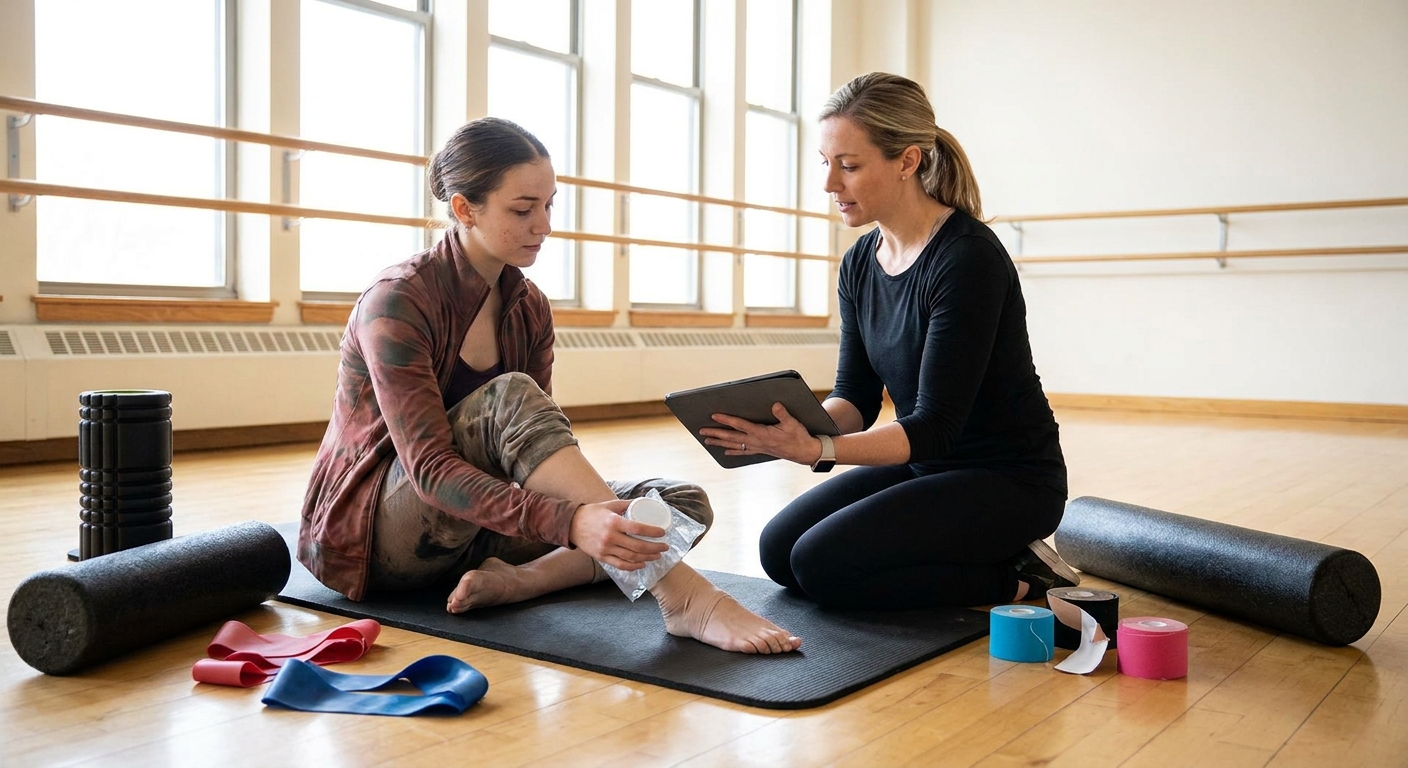
Dancers and performers put joints and connective tissue through loads that street clothes and desk jobs never see, and by the time chronic pain sends someone looking for pain management for dancers, rest and ibuprofen have usually already failed. This guide breaks down which interventional treatments fit a performing body and which ones cost you rehearsal time you didn’t need to lose.
TL;DR
- Epidural steroid injections and RFA suit disc-related back pain from repeated hyperextension. Consider first for spine-loaded injuries.
- PRP injections target tendon overuse from years of jumping and partnering. Consider for chronic tendinopathy that won’t quiet down.
- Trigger point injections calm muscle guarding fast but don’t fix training load issues. Use short-term only, not as a plan.
- Full rest with generic anti-inflammatories rarely restores the range of motion dancers need. Skip it as a standalone approach.
- Hudson Pain and Spine treats dancers and performers with fellowship-trained, image-guided procedures across Bergen, Passaic, and Middlesex counties, NJ.
Why this matters
A dancer’s hip doesn’t fail the way a sedentary hip fails. Turnout, repeated hyperextension of the lumbar spine in arabesque, and years of high-impact landings create wear patterns that generalist orthopedic advice (rest and see how it feels) doesn’t address. Hudson Pain and Spine treats these injuries as structural and nerve-based problems, not just soreness, which changes what actually gets ordered.
The stakes are different too. A construction worker with a bad back can modify duties. A dancer with the same disc problem loses the specific end-range flexibility a role demands, and that’s a career issue, not just a comfort issue. Treatment choices in 2026 need to protect range of motion, not just quiet pain enough to get through one more show.
Who this is for
This is for professional and pre-professional dancers, gymnasts, cheer athletes, and stage performers dealing with pain that’s lasted more than six to eight weeks despite physical therapy, taping, and modified rehearsal. If you’re dancing through a stress fracture or an acute tear, this isn’t your page — see an orthopedic surgeon first. If you’re managing a chronic overuse pattern that flares every season, keep reading.
What to look for in pain management for dancers
Fellowship-trained, not generalist
A board-certified pain physician with fellowship training in interventional procedures reads imaging differently than a general practitioner writing a referral. Dancers need someone who can tell the difference between a facet joint irritated by repeated arching and a disc bulge referring pain down the leg, because the injection differs completely between the two.
Treatments that preserve range of motion
Anything that stiffens tissue or requires weeks of immobilization is the wrong tool for a performer. The goal in 2026 interventional pain care is targeted relief that lets a dancer keep training the joint, not a blanket approach that sacrifices flexibility to reduce pain.
Image guidance for precision
Fluoroscopic or ultrasound guidance matters more in a dancer’s body than in a typical patient’s, because the margin for error near a hip capsule or a lumbar nerve root is smaller when the joint needs to hit full end-range again. Guided injections place medication exactly where the irritation lives instead of flooding a general area.
A plan built around the performance calendar
A good pain specialist times procedures around a dancer’s season, not the clinic’s schedule. Injections given six weeks before a run of shows behave differently than the same injection given during tech week, and a specialist who asks about your calendar before proposing a plan is doing this right.
Coordination with physical therapy
Injections alone rarely hold in a body that trains six days a week. The strongest results in 2026 pain management for dancers come from procedures paired with a physical therapist who understands turnout, plantar flexion demands, and partnering mechanics, not generic strengthening.
Top picks for chronic dancer injuries
Epidural steroid injection or RFA — the workhorse for spine-loaded injuries
Dancers with repeated hyperextension in arabesque or backbends often develop disc irritation or facet joint pain that responds well to an epidural steroid injection, with radiofrequency ablation as a longer-lasting follow-up for facet-driven pain. Relief from an epidural typically runs three to six months, long enough to get through a season before reassessing. Read the specifics on herniated disc treatment for active adults and athletes before deciding. Verdict: Consider first for back pain that radiates or worsens with backbends.
PRP injections — the biologic option for tendon overuse
Years of jumping and partnering wear down Achilles tendons, patellar tendons, and hip flexors in ways that don’t show up as tears on imaging but still hurt every rehearsal. Platelet-rich plasma uses a concentrated sample of the patient’s own blood to trigger tissue repair at the injection site, and most patients need four to six weeks to judge whether it’s working. Details are covered in how PRP therapy treats joint pain. Verdict: Consider for chronic tendinopathy that hasn’t responded to eccentric loading and rest.
Trigger point injections — the quick fix for muscle guarding
When a hip flexor or a paraspinal muscle locks up around an underlying joint problem, a trigger point injection can release that guarding within days, which matters when a performer has a show in two weeks, not two months. This is not a structural fix, and it won’t hold if the underlying joint issue goes untreated. More on the mechanism is in how trigger point injections relieve muscle pain. Verdict: Consider as a short-term bridge, not a long-term plan.
Generic rest and anti-inflammatories — looks responsible, isn’t enough
Most dancers have already tried two weeks off and daily NSAIDs before they book a consultation, and it’s the default advice from urgent care and general practitioners. It reduces inflammation temporarily but does nothing for the disc, nerve, or tendon problem underneath, and deconditioning during rest often makes the return to full training harder. Verdict: Skip as a standalone plan once pain has lasted past six weeks.
What to avoid
- Blanket immobilization — bracing a spine or joint for weeks at a time stiffens exactly the tissue a dancer needs mobile, and it rarely addresses the source of pain.
- Opioid-first plans — opioids mask pain without treating the joint or nerve issue, and they carry dependence risk that outweighs benefit for a chronic overuse injury. Interventional options paired with physical therapy work better for this population.
- One-size-fits-all cortisone — a corticosteroid injection given without image guidance or without a clear diagnosis (facet vs. disc vs. tendon) often misses the actual pain generator, wasting weeks a dancer doesn’t have before the next show.
Get a pain plan built for performers
Fellowship-trained care in Englewood, Woodland Park, and Edison, NJ.
Verdict comparison
| Treatment | Best for | Typical relief window | Verdict |
|---|---|---|---|
| Epidural steroid injection / RFA | Disc or facet pain from hyperextension | 3-6 months (epidural); longer with RFA | Consider first |
| PRP injections | Chronic tendon overuse | 4-6 weeks to assess | Consider |
| Trigger point injections | Acute muscle guarding | Days to a few weeks | Short-term bridge |
| Rest + NSAIDs alone | Nothing past 6 weeks of chronic pain | Temporary | Skip as standalone |
FAQ
What’s the best pain management for dancers with chronic back pain?
For dancers with chronic back pain from repeated hyperextension, an epidural steroid injection or radiofrequency ablation targeting the facet joints is usually the first interventional step in 2026. Both are image-guided procedures designed to reduce inflammation or interrupt pain signals without limiting spinal mobility long-term.
Is PRP better than corticosteroid injections for a dancer’s tendon pain?
PRP and corticosteroid injections work differently: PRP promotes tissue repair over several weeks, while corticosteroids reduce inflammation faster but don’t address the underlying tendon damage. For chronic tendinopathy that’s lasted months, PRP is often the better long-term choice for a performer who needs the tendon to actually heal.
How much does an epidural steroid injection cost without insurance?
Cash pricing for pain management procedures varies by clinic and by how many injection levels are involved. A breakdown of typical costs without insurance is worth reviewing before booking a consultation so there are no surprises.
Can a dancer keep performing while getting pain management treatment?
Many dancers continue modified rehearsal during treatment, especially with trigger point injections or PRP, though full-intensity training is usually paused for a short window after an epidural injection. The exact timeline depends on the procedure and how the injury responds.
How long does relief from a trigger point injection last?
Trigger point injections typically relieve muscle guarding for days to a few weeks, which makes them useful before a specific performance but not a substitute for treating the underlying joint or nerve issue. Repeat injections without addressing the root cause usually stop working as well over time.
What causes piriformis syndrome in dancers?
Piriformis syndrome develops in dancers from repeated deep hip external rotation and turnout work, which irritates the piriformis muscle and can compress the sciatic nerve underneath it. It shows up as deep buttock pain that sometimes radiates down the back of the leg during or after class.
Do RFA procedures work for facet joint pain from repeated arching?
Radiofrequency ablation works well for facet joint pain confirmed by a diagnostic medial branch block, and it’s a common next step for dancers whose backbends and arabesques repeatedly load the same facet joints. Relief from RFA generally outlasts a standard epidural injection.
How soon can a dancer return to full training after an epidural injection?
Most patients resume light activity within a few days and build back to full training intensity over one to two weeks, depending on how the injury responds. A pain specialist should confirm readiness rather than a fixed calendar date.
One last thing
The injury that ends most dancers’ seasons isn’t the acute tear everyone worries about — it’s the slow-building overuse pattern that gets managed with tape and ibuprofen for months until it finally can’t be ignored. Getting a diagnostic injection (not just imaging) early, before the pain becomes constant, is what actually protects a performing career, and that’s true whether the joint in question is a hip, a facet, or a tendon.
Related guides
- How to treat piriformis syndrome pain
- Hip pain treatment for runners and active adults
- Sports injury pain treatment for runners
- Radiofrequency ablation for facet joint pain
About the Medical Reviewer
Dr. Saurabh Dang is a double board-certified interventional pain management specialist serving Central and Northern New Jersey. He combines clinical expertise with a patient-centered approach to help patients find lasting relief from chronic pain conditions.
Read Full Bio →Seeking Treatment for Epidural Injections?
Dr. Dang and the team at Hudson Pain and Spine offer specialized care and advanced interventional treatments.
Ready to Find Relief from Pain?
Schedule your consultation with Dr. Saurabh Dang at our Englewood office.
Serving patients across Central and Northern New Jersey — Bergen, Passaic, and Middlesex counties.